
 E-Paper



Fatwa, fatal attacks, book ban: How Salman Rushdie's novel triggered outrage
Iran’s current Supreme Leader Ayatollah Ali Khamenei has never issued a fatwa of his own withdrawing the death edict, though Iran in recent years hasn’t focused on the writer.

 Prefer HTon Google


The attack on Booker-winning novelist Salman Rushdie has sent shockwaves to the world, especially those who champion freedom of speech and expression. The India-born author was stabbed in the neck and abdomen by a man when he was about to give a lecture at the Chautauqua Institution in western New York. While the motive of the attacker was not clear, Rushdie has been receiving death threats from the Muslim world, especially Iran, since the publication of his novel “The Satanic Verses”. (Also Read | When Natwar Singh told Rajiv Gandhi to ban Salman Rushdie's book: ‘Wasn’t wrong')
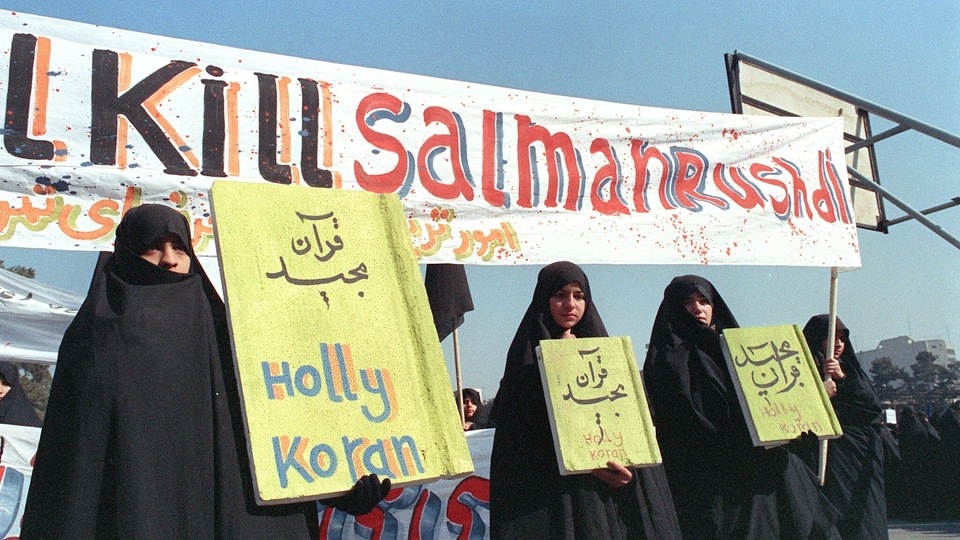
The book was viewed as blasphemous by many Muslims and was banned in Iran where the then supreme leader Ayatollah Ruhollah Khomeini issued a death edict, or a fatwa, in 1989. Khomeini died the same year but his fatwa calling for the death of Rushdie has had huge repercussions on those related to the novel. A bounty of over USD 3 million has been offered till date for anyone who kills Rushdie.
Bounties on Rushdie
Eight years after Khomeini called on all Muslims to kill Rushdie, the State-linked Iranian religious foundation increased the bounty to $2.5 million. Over the years, the bounty was increased to $3.9 million, including one from Iranian media outlets. In 1998, a hardline Iranian student group announced one billion rial (then $333,000) bounty for Rushdie's head.
Attacks after fatwa
In 1991, a Japanese translator of the novel was stabbed to death in Tokyo. An Italian translator survived a knife attack in his Milan flat the same year by a man who said he was Iranian. In 1993, the book’s Norwegian publisher was shot three times but he survived. At least 45 people have been killed in multiple riots over the book.
Rushdie into hiding
Rushdie went into hiding with round-the-clock police protection after he started receiving death threats. His first pre-announced public appearance came six years after he started living in safe houses since the fatwa was issued.
Protests in India
In Febraury 1989, Muslim protesters in Mumbai marched towards in the British High Commission to protest against the author. Police opened fire at the crowd which left 12 dead. Almost 10 years after this incident, the Indian government provided a visa to the novelist to visit his country of birth, triggered protests from the Muslim community. In 2012, he had to cancel his plans to attend a major literature festival in Jaipur due to protests from some Muslim groups.
Book Ban
The Satanic Verses was banned in dozens of countries, including India, months after its release. Former Union minister and diplomat Natwar Singh has defended Rajiv Gandhi-led government’s decision to ban the book, saying it was done “purely for law and order reasons”, reported PTI.
(With inputs from AP, Reuters, PTI)


