
 E-Paper



Greece comes to a halt as thousands hold strike against new labour laws, 13-hour work days
The 24-hour hour strike brought mass disruptions to the country has workers across the public and private sectors stopped work as part of the protest.

 Prefer HTon Google


Thousands of workers have taken to the streets of Greece, bringing the European nation to a complete halt. On Wednesday, thousands of workers, union reps and more marched the streets as part of a general strike against the new labour laws, which call for a 13-hour work day for Greeks.
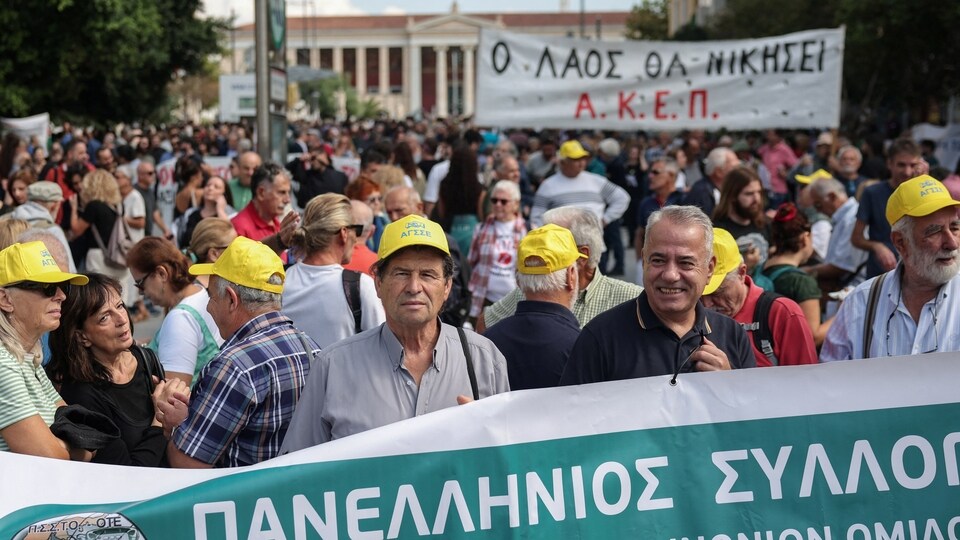
The 24-hour hour strike brought mass disruptions to the country as workers across the public and private sectors stopped work as part of the protest.
No taxis or trains in Athens were running for the duration of the 24-hour strike. Meanwhile, buses and the capital city's subway, tram and trolley services operated on a reduced schedule due to the strike.
Services across Greece such as schools, courts, public hospitals and municipalities, remain disrupted.
In both major Greek cities of Athens and Thessaloniki, transport systems were halted, and hospital staff, teachers and other civil servants stopped working. Furthermore, the seas around Athens were vessel-free as crews, heeding union calls, kept ferries in ports.
Along with the anti-labour law protests, several demonstrations broke out regarding the interception of the Gaza Aid Flotilla and the ongoing war in the Palestinian territory.
'Modern slavery' - Why Greeks are protesting the new labour laws
Unions representing civil servants and private sector workers called the strike as part of a protest against the labour law changes. These changes would allow greater flexibility in conditions, including overtime that could stretch occasional shifts to 13 hours.
Furthermore, the new new regulations would cap the working hours which include overtime to 48 hours per week, with a maximum of 150 overtime hours allowed per year.
As per Union leaders, the new rules leave workers vulnerable to labour abuses and violations by employers.
“We say no to the 13-hour (shift). Exhaustion is not development, human tolerance has limits,” the private sector umbrella union, the General Confederation of Workers of Greece, said in a statement, as they called for a 37½-hour working week and the return of collective bargaining agreements.
Pro-communist union All-Workers Militant Front (PAME) accused the Kyriakos Mitsotaki government of trying to impose "inhumane hours and miserable wages", adding that the reform amounts to "modern slavery".
A similar demonstration took place in 2024 after the Greek government called for a six-day working week, which was applied to private businesses in tourism and other sectors providing around-the-clock services.
Thousands protested against the move as Unions labelled the decision as "barbaric".


