
 E-Paper



In Iran's ban on internet-connected devices, a reminder of Israel's Lebanon walkie-talkie, pager blasts
The news agency further warned that turning off mobile phones at sensitive locations may not prevent location tracking.

 Prefer HTon Google


In view of the growing tensions with Israel, Iran's cybersecurity command has banned the use of internet-connected devices for government officials and their security teams. This directive comes amid the fear that Israeli agencies will be able to use the mobile networks to plan targeted assassinations.
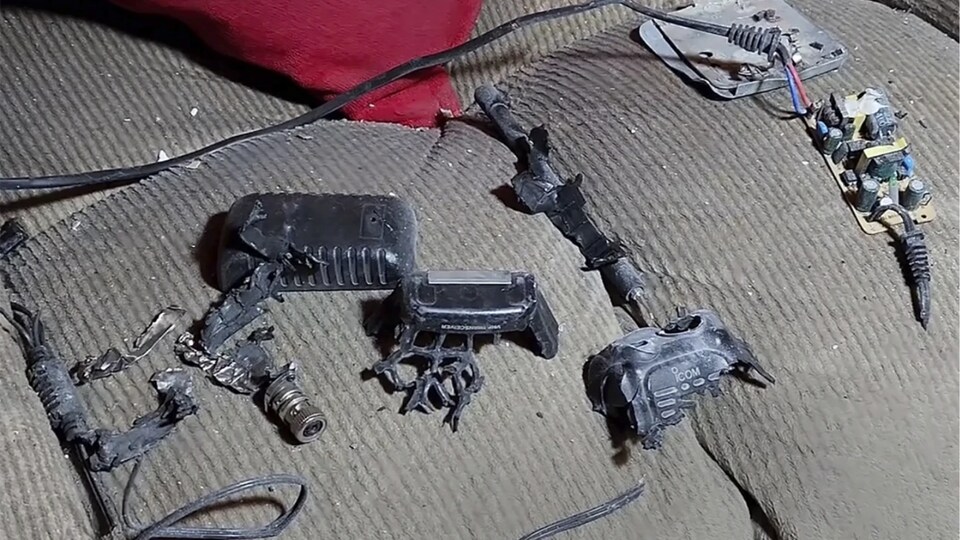
As per the IRGC-affiliated Fars news agency, the command from the security agency extended to all devices connected to public communication or telecommunications networks. This directive from the Iranian agency also seems to be stemming from incidents like Israel's coordinated blasts in Lebanon through walkie-talkie and pagers, that targetted Hezbollah members.
Track LIVE updates on Israel-Iran tensions here
“The use of connected devices by officials and their security personnel is now prohibited,” Fars quoted the Cyber Security Command as saying.
The news agency further warned that turning off mobile phones at sensitive locations may not prevent location tracking, adding that the command recommends the use of secure, anti-tracking devices.
What happened in Lebanon?
In September 2024, thousands of handheld pagers and walkie-talkie devices exploded across Lebanon. These devices were targeted due to their use by Hezbollah leaders and government officials. The attack was also expanded to parts of Syria.
As per the Lebanese government, a total of 42 people were killed, including 12 civilians, and over 4,000 people were left injured due to the blasts.
Also Read: Israeli warns Iran's Ayatollah Ali Khamenei could meet fate similar to Saddam Hussein: 'Remember…'
The blasts took place over two days. The first explosions were reported on September 17, 2024, and involved pagers. The second explosion on September 18, 2024, involved exploding walkie-talkies.
Following the attack, Israel denied its involvement and distanced itself from the blasts in Lebanon. However, later in November 2024, Israeli prime minister Netanyahu admitted Israel's role in the blasts after he was quoted as saying - "The pager operation and the elimination of [Hezbollah leader Hassan] Nasrallah were carried out despite the opposition of senior officials in the defense establishment and those responsible for them in the political echelon," by Hebrew media.
Netanyahu's statement come after he fired former defence minister Yoav Gallant “due to an erosion of trust” between the Israeli official and the PM. However, as per Gallant, he was removed from office due to his disagreement with Netanyahu on Israel's military operations in the Gaza Strip.
Iran-Israel conflict enters fifth day
The conflict between Iran and Israel continued for a fifth consecutive day after both countries launched fresh drone and missile attacks one another. On Monday, the Israeli Air Force targeted Iranian state broadcaster IRIB in Tehran, claiming it was being used as a front for the Iranian Armed Forces.
In retaliation, Iran launched a series of missiles towards Israel, which were intercepted by the Iron Dome.


