E-Paper



In Mongolia, herders sing to mother camels that reject newborn calves; UNESCO lists the coaxing ritual as a tradition needing urgent safeguarding
Mongolian herders sing to help camels accept calves. UNESCO says the ritual is at risk as youth move to cities and motorcycles replace camels.

 Prefer HTon Google


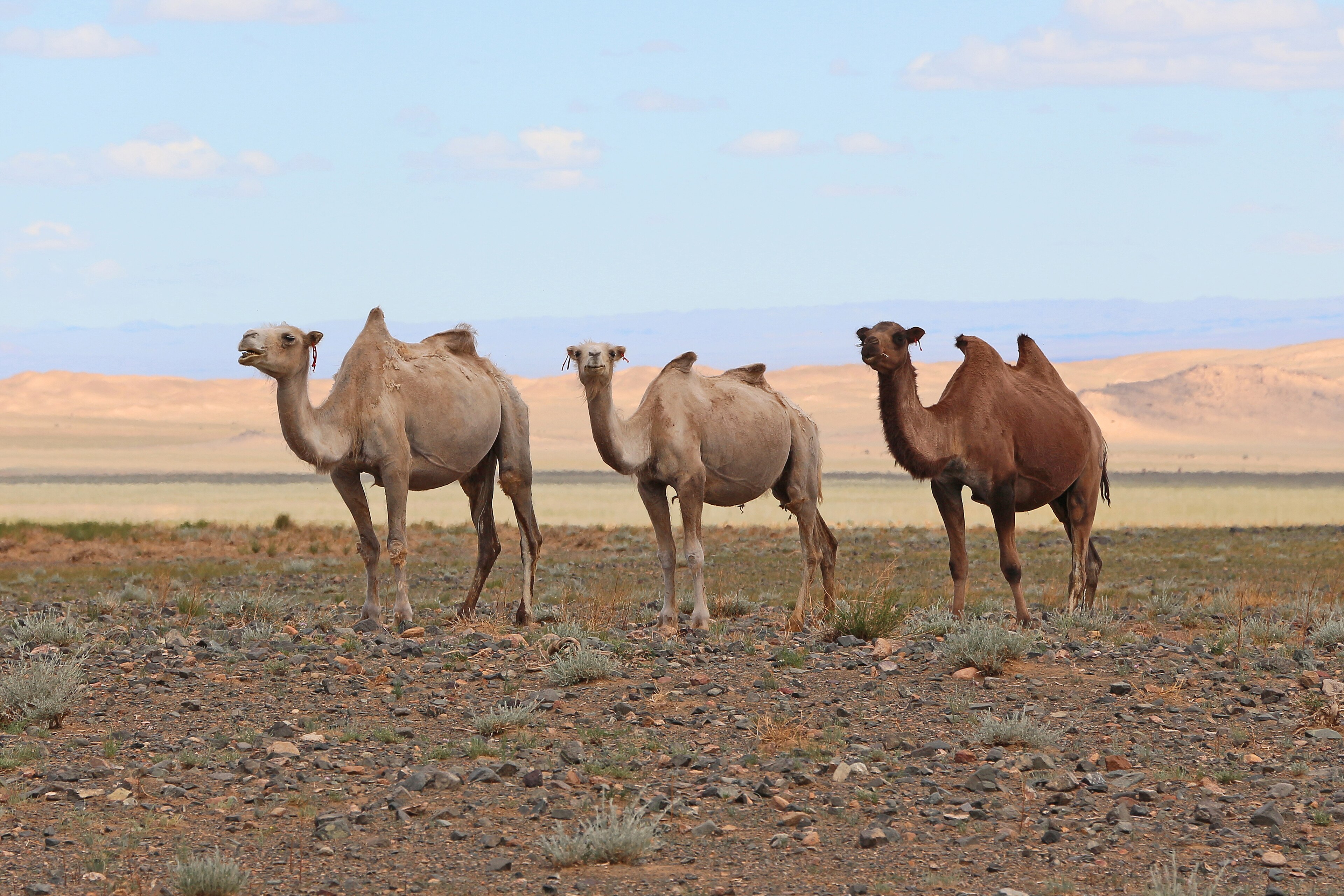
As daylight fades over Mongolia’s grasslands, a mother camel turns her back on her newborn calf. Herders know what to try next: a song. UNESCO’s listing for the coaxing ritual for camels describes how the mother is tied close to the calf while a singer begins a monotone melody, adding gestures and chanting. The aim is to persuade a female camel to accept a newborn or take on an orphaned calf.

The singer does not stick to a single tune. If the mother is aggressive at first, the coaxer shifts the melody and slowly wins her over. The ritual takes place at dusk or twilight and requires skill with camels, along with a talent for singing and playing the horsehead fiddle or flute. UNESCO placed it on its List of Intangible Cultural Heritage in Need of Urgent Safeguarding in 2015, under oral traditions, performing arts, social practices and rituals, and knowledge about nature and the universe.
A skill learned at home
Most herders practice coaxing methods. When a family has no singer or musician nearby, a professional coaxer can be called in. The skills pass from parents and elders to young people through instruction at home. The ritual also helps nomadic families build and maintain ties with their wider community.
The Intergovernmental Committee for the Safeguarding of the Intangible Cultural Heritage explained its decision to inscribe the ritual in decision 10.COM 10.A.5, adopted at its session in Windhoek, Namibia. It found that the nomination met all five criteria for the urgent safeguarding list. Passed on orally from elders to young people, the ritual reflects the bond between people and animals in a pastoral community facing a harsh climate. It also teaches younger generations about nomadic culture and the economy while giving the community a sense of identity and continuity. The committee recognized Mongolia’s efforts to safeguard a tradition from a culture facing rapid changes to its social and ecological systems.
Why the songs are fading
Times have changed around the ritual. Motorcycles are now preferred to camels for transportation, while growing migration to urban centers has left fewer young herders. As newer generations lose touch with pastoral life, the number of people who carry the tradition is shrinking rapidly. Aging practitioners, climate change, and rapid economic transformation are also listed as threats.
The committee’s decision identifies further pressures, including the erosion of the nomadic way of life, better-paying jobs in mining, children and young people staying away from their families for education, and a decline in the number of musicians and musical instruments used in the ceremony. Despite these challenges, the community has made efforts to sustain the tradition, which Mongolia included on its national list of intangible cultural heritage in need of urgent safeguarding.
Mongolia’s safeguarding plan centers on apprenticeships in coaxing and music-making led by tradition bearers, an in-depth study by a team of scholars, and awareness activities at local and national levels. The practicing community helped plan these measures and will play a significant role in carrying them out and monitoring their progress. Government bodies will coordinate the participants and manage resources. The committee also commended Mongolia for improving a nomination first submitted in 2011, noting that renowned tradition bearers initiated the process and that practitioners and local government leaders provided their consent.
UNESCO’s records show that Mongolia must periodically report on the condition of the coaxing ritual and the progress of its safeguarding measures. Reports were submitted on Dec. 15, 2019, and Dec. 15, 2023, with the next report due by June 30, 2027. These updates allow UNESCO to monitor the tradition’s viability and the implementation of measures intended to preserve it. To an observer, the ceremony may appear straightforward: a singer, an agitated mother camel and her calf at sunset. However, without younger generations learning the songs, Mongolia risks losing an element of its nomadic cultural heritage.