E-Paper



Inside NATO’s Scramble to Shoot Down Russia’s All-Night Drone Raid Over Poland
Allies acted in concert to engage Russian drones over alliance territory for the first time.


 Prefer HTon Google


WARSAW—Just before midnight on Tuesday, NATO sensors scanning for hostile aircraft spotted drones infiltrating Poland’s eastern border from Ukraine and Belarus.
Fighter pilots from the military alliance were already in the air preparing to lock on and shoot them down.
What unfolded over the course of the night marked a moment in North Atlantic Treaty Organization history: the first time its warplanes engaged Russian aerial weapons over an alliance member’s territory.
“This situation brings us the closest we have been to open conflict since World War II,” Polish Prime Minister Donald Tusk told lawmakers in the hours afterward.
NATO surveillance planes and jet fighters are regularly deployed above Poland when large attacks on Ukraine threaten to spill over into allied territory, but the direct engagement marked a significant escalation in the game of cat-and-mouse between Russian drones entering alliance airspace and NATO aircraft sent to deter them.
Less than 90 minutes earlier, Poland’s operational command had activated an early warning system designed to scramble NATO allies to its defense in case of Russian aggression on its eastern border.
Named Operation Eastern Aurora, it meant that when Polish military commanders received the first indications of a massive Russian air attack against Ukraine on Tuesday night they could call on a roster of NATO members to get their jets and air-defense systems in place.
U.S.-made advanced jet fighters belonging to the Dutch and Polish air forces readied for combat, according to Polish and NATO officials. An Italian airborne warning and control system, also known as an Awacs, took off from Estonia to the border, said an official close to the Polish presidential office.
The aerial assault on Ukraine that put Poland on the alert involved 458 Russian attack drones and missiles, 413 of which Ukraine shot down, according to the Ukrainian Air Force. Since the start of Russia’s full-scale invasion of Ukraine, NATO has been in a constant state of high readiness along its eastern and northern front. Any activity, particularly heading westward, puts the alliance on alert.
By 11:30 p.m., when the first drone was spotted, NATO jet fighters and helicopters were circling in Poland’s east, Tusk told lawmakers on Wednesday.
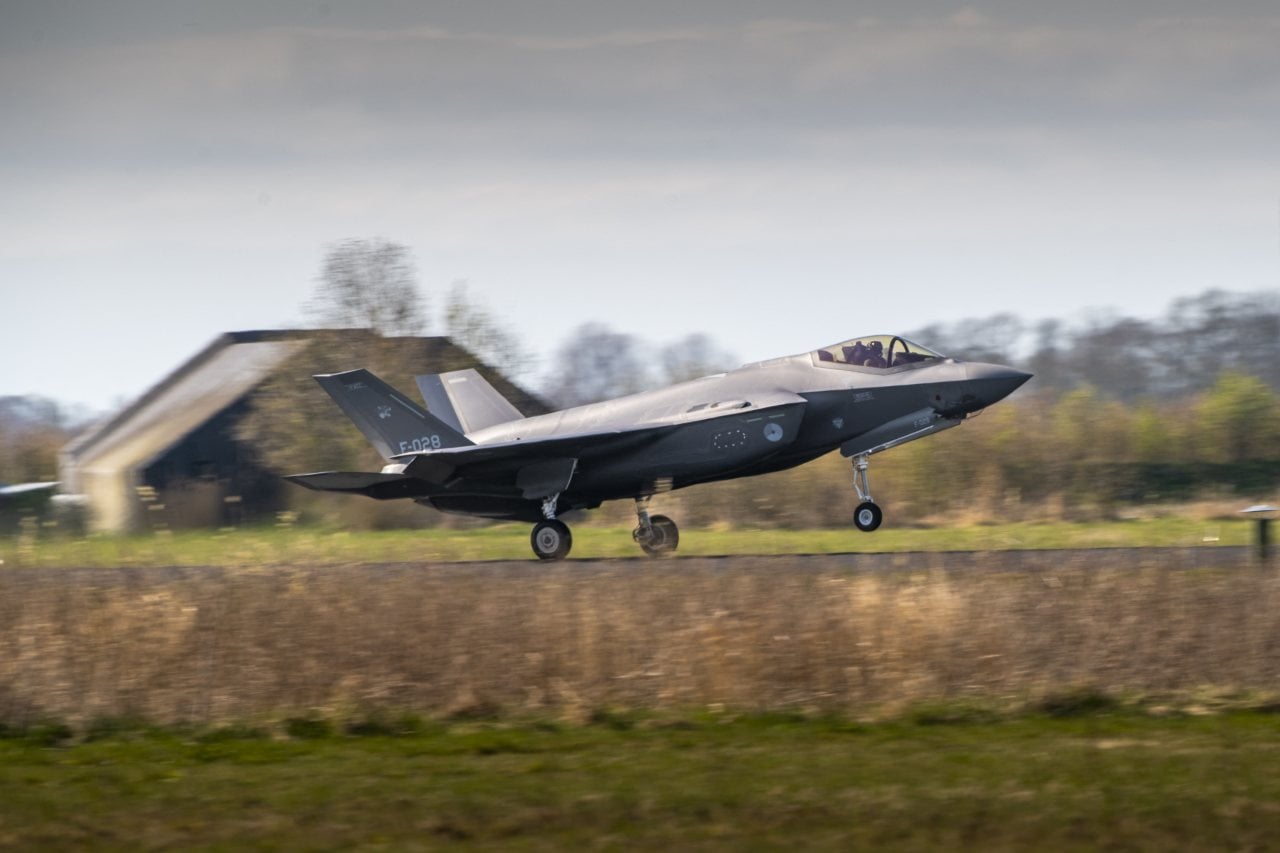
The combat aircraft included two Polish F-16s and two Dutch F-35s—which arrived in Poland on Sept. 1 for a three-month NATO tour of duty policing the skies over the region. A mix of MI-24, MI-17 and Black Hawk helicopters joined them. The engagement was the third time Dutch F-35s have been sent to respond since starting their rotation, but the first time they used weapons, the Dutch Ministry of Defense said.
Also put on high alert were German Patriot air-defense batteries, capable of shooting down missiles and drones. Berlin has stationed two of its U.S.-made systems in Poland. No Patriot interceptors were fired during the night, according to NATO. Two French Rafale jets were in Poland at the ready but not needed in the end, according to French officials.
A Polish Saab 340 Airborne Early Warning propeller plane and the Italian Awacs jet were sending back intelligence to analysts on potential threats crossing into Poland, Tusk said. Ground-based radars also provided information for them to assess.
Poland’s political leadership was notified of the threat after the first drone came into Polish airspace.
President Karol Nawrocki, just back from a trip to the U.S. where President Trump had floated the idea of sending more troops to Poland, was awakened at 3 a.m. and contacted NATO Secretary-General Mark Rutte as well as other NATO allies, said the Polish official.
A Dutch Air Force F-35 during an exercise earlier this year at Leeuwarden Air Base in the Netherlands.
Russia’s planned strategic military exercises that are due to start this week had NATO on an even higher state of alert, the official said. The exercises, named Zapad, or West, 2025, had prompted the alliance to step up monitoring along the border, looking for clues on Russian plans and capabilities, the official said.
Unlike in previous incursions, the drones didn’t enter Polish airspace solely from Ukraine, but also came from Russian ally Belarus. The Belarusian Defense Ministry said the drones had lost track and veered into Belarusian airspace due to electronic jamming. Belarus’s military said it shot down some of the drones and at 11 p.m. had warned Warsaw that the unmanned aerial vehicles, or UAVs, would soon be entering Polish airspace.
Incursions don’t necessarily prompt commanders to order a shootdown, especially if a drone is moving above an unpopulated area. Authorities may opt instead to monitor it and let it crash.
The regional prosecutor’s office in Lublin, eastern Poland, said that the debris found across the country Wednesday belonged to Gerbera drones, which can be outfitted with a camera and used for reconnaissance. Their presence suggests that Russia was testing NATO resolve by forcing Poland and its allies to scramble air defenses thereby allowing Moscow to assess the speed and efficiency of an alliance response.
Eastern Poland is sparsely populated farm country, full of lakes and forests. Many small towns but few large urban centers dot the region. Airstrikes create debris that may be dangerous, use up potentially valuable ordnance and destroy evidence. Analysts from NATO countries are eager to deconstruct Russian drones to understand their design and sophistication.
“Those drones that posed a direct threat were shot down,” Tusk told his cabinet early Wednesday, according to an official transcript. NATO shot at least three out of the sky and potentially more, the prime minister said. Drone parts were found in 10 locations, some more than a 100 miles from the Polish border.
Rutte, NATO’s secretary-general, said the alliance was assessing whether the Russian incursions were deliberate or accidental. Either way, he said, they were dangerous. The Russian Ministry of Defense said in a statement that no facilities in Poland were planned to be targeted, but that Moscow was ready to enter into consultations with the Polish military.
As the drones kept coming, in the early hours of Wednesday, Poland restricted civilian air traffic and closed airports to give military aircraft freedom to maneuver in the night skies, and potentially to let more NATO aircraft enter the region. Tusk said commercial flights were never in danger and the decision was taken only for “operational needs.”
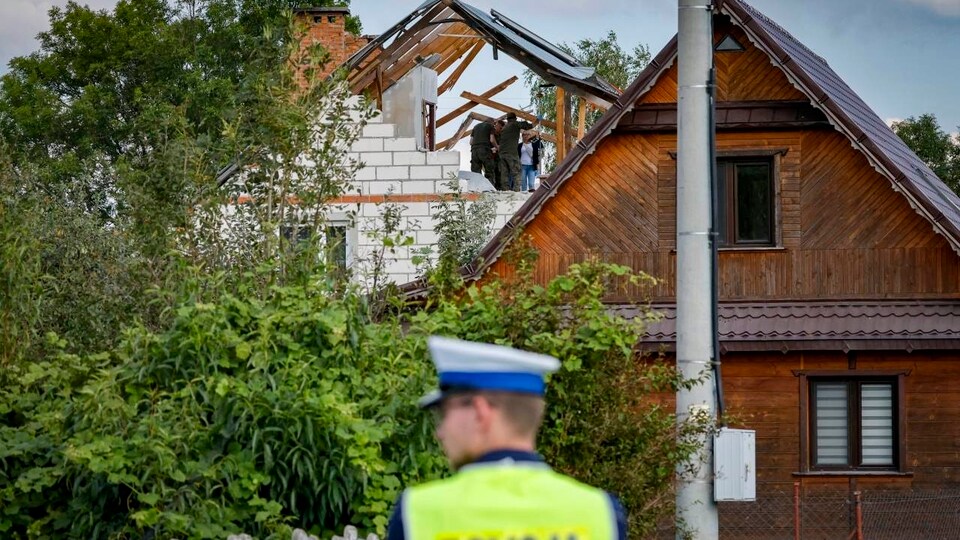
By midday Wednesday, the remains of 12 drones and one cruise missile had been found, Poland’s interior minister said. One house was damaged when a drone or debris crashed through its roof, but nobody was injured or killed overnight, Tusk said. One drone was found at a military base for Poland’s Territorial Defense Forces.
At least 19 Russian drones crossed into Poland over the seven hours of incursions. The last one registering around 6:30 a.m. on Wednesday, “which gives an idea of the scale of this operation,” said Tusk. “It lasted the entire night.”
Write to Daniel Michaels at Dan.Michaels@wsj.com and Thomas Grove at thomas.grove@wsj.com