
 E-Paper



Iran’s message to 'Loser' Lego Trump on his Kharg Island threat: ‘Come closer’
Latest animation video by Iranian side shows protests held in cities across the US under the banner of ‘No Kings’ rallies

 Prefer HTon Google


It’s a short cartoon with blocky figures inspired by the Lego brand of interlocking pieces that kids love, a coffin marked ‘For Loser’ and a final screen saying “COME CLOSER” in the all-caps style of US President Donald Trump.
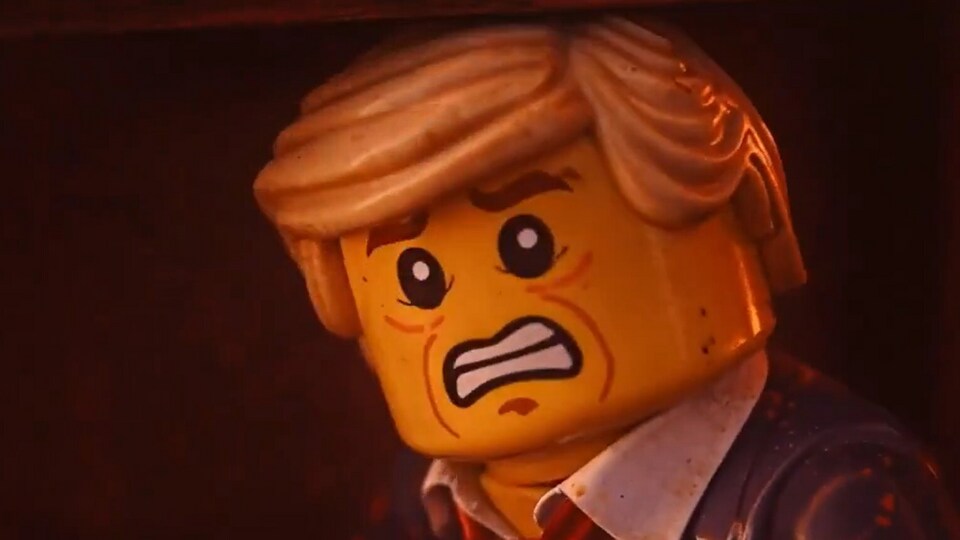
Lego Trump is the central character in the latest lampooning video deployed by Iranians against the US and Israel’s war, shared by Russian and other pro-Iran channels on social media on Monday, March 30.
The video, produced by an Iran-based group that calls itself the ‘Explosive News Team’, runs for roughly two minutes. It pointedly focuses on recent anti-war protests being held by the public against the current American establishment; and on Trump's new threats of “taking” Iran's Kharg Island.
What’s in it?
The video begins with a LEGO caricature of Donald Trump in the Oval Office. He is portrayed as being under significant domestic pressure, looking out the window at crowds of protesters.
The animation shows signs with slogans such as ‘NO WAR WITH IRAN’ and ‘STOP THE WAR’.
The protests shown in the video were held starting March 28, when people took to the streets in cities across the US under the banner of ‘No Kings’ rallies, organised by a coalition of progressive groups. Similar protests were earlier held against the administration's immigration policies and the excessive use of force by the US Immigration and Customs Enforcement (ICE) agents.
In Manhattan, protesters held anti-ICE, anti-Trump and anti-Iran war signs, marching south from Midtown; while on the West Coast, a giant blimp depicting Trump as a diaper-clad baby floated above Los Angeles.
The Iranian video captures this mood on the American street.
The plot then shifts to a tactical map where the character reviews "Quick solutions" involving Kharg Island. It transitions to a showcase of Iranian military hardware, specifically Shahed drones and ballistic missiles.
And by the end these drones and missiles have destroyed US aircraft and naval vessels, with the ‘Loser’ coffin opening, and Trump screaming.
Not the first such
Earlier videos with similar animation style depicted Iranian forces and their allies overpowering the US and Israeli militaries, with scenes of missile strikes, cyberattacks, and the sealing of the Strait of Hormuz.
In one of those, a Lego version of Trump is seen chomping on a cheeseburger while talking to Israel’s PM Benjamin Netanyahu on the phone. Then, as rap music builds, a distraught Lego Trump watches a parade of caskets draped in the American flag while the lyrics "the slaughterhouse is open" play out.
The video ends on a stark black screen with a message warning that America's ‘grave mistake of attacking’ Iran will be judged badly by history, followed by the deliberately broken English line: ‘No Thanks You For Your Attention to This Matter.’ Trump usually signs off his social media messages with “Thank you for your attention to the matter”.
This video accused Trump of launching the war to distract Americans from the scandal around his association with sex offender Jeffrey Epstein.
It used the word ‘loser’ liberally for Trump, as does the latest one.
Why Kharg island is at the centre of it
Another recurring theme is Kharg Island, just off the Iranian coast, which handles approximately 90% of Iran's crude oil exports. Its long jetties sit in waters deep enough for supertankers, making it the beating heart of Iran's economy.
As the war enters its fifth week, Trump has threatened to "completely" obliterate Iran's electric plants, oil wells, and Kharg Island if the Strait of Hormuz is not immediately reopened and a peace deal is not reached. He said: "I don't think they have any defence. We could take it very easily."
Last Friday, the US military already conducted massive airstrikes on dozens of military targets on Kharg Island.
Analysts, however, warn that a seizure and occupation of Kharg Island is more likely to expand and extend the war than deliver any decisive victory.
Gulf allies are also privately urging the Trump administration against putting boots on the ground, warning it would result in high casualties and likely trigger Iranian retaliation against Gulf countries' infrastructure.
Parallel battlefield: Your phone screen
The Lego video is not a one-off in this war being fought also on smartphones.
Pro-Iran accounts have unleashed viral videos mocking Trump and Netanyahu, using AI technology and sophisticated animation, often using Lego-style characters — with the official Lego brand having no connection to these videos whatsoever.
The videos function almost entirely on visuals, removing language barriers. The text is not much, and is more often in English than in Farsi. Iran is speaking directly to ordinary Americans using their cultural motifs, such as memes, rap, and Lego.


