Japan Approves $135 Billion Stimulus Shot to Help Households, Economy
At the heart of the package are measures to support households under financial strain, a key issue for Japanese voters.
Published on: Nov 21, 2025, 10:16:58 IST
WSJ
Prefer HTon Google
Share via
Copy link
TOKYO—Japan’s cabinet has approved $135 billion of stimulus to help households cope with rising living costs and boost economic growth, launching the first fiscal salvo under new Prime Minister Sanae Takaichi.
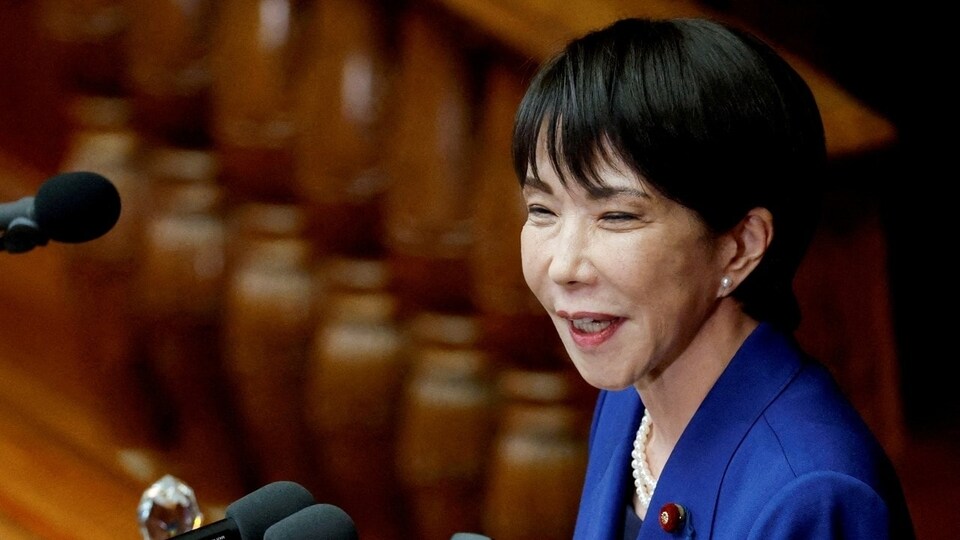
Japan’s new Prime Minister Sanae Takaichi has called for “responsible proactive fiscal policy.”
The Takaichi administration on Friday signed off on the package totalling 21.3 trillion yen, equivalent to $135.27 billion.
At the heart of the package are measures to support households under financial strain, a key issue for Japanese voters. The new government, which took power last month, has pledged to tackle those issues.
The newly approved package included immediate relief measures like energy subsidies and a cash handout of ¥20,000 per child, as well as more long-term moves such as raising the income tax threshold and abolishing a provisional gasoline duty.
Measures to spur investment in sectors such as semiconductors and artificial intelligence also featured.
The major fiscal expenditure comes as no surprise given Takaichi’s expansionary stance on macroeconomic policy. While the increased spending will likely be supportive of the economy and stock markets, it could add to concerns about the nation’s fiscal health. Japan’s debt is more than double the size of its economy.
Those worries are reflected in Japanese government bond yields, which have been rising since Takaichi took office in October. On Thursday, the yield on benchmark 10-year JGBs hit 1.835%, the highest level since June 2008.
Takaichi has called for “responsible proactive fiscal policy,” but it remains to be seen how her administration will balance more spending with fiscal prudence.
Get the latest World News, breaking headlines and global updates from the US, UK, Pakistan, Bangladesh, Russia and other countries. Follow major international events on Hindustan Times.
Home/World News/Japan Approves $135 Billion Stimulus Shot To Help Households, Economy

 E-Paper





 Prefer HTon Google