E-Paper



Kenya Uses U.S.-Funded Antiterrorism Courts for Political Crackdown
Young people who protested corruption and poor job prospects could face decades in maximum-security prison under a set of laws set up to combat al Qaeda.


 Prefer HTon Google


NAIROBI, Kenya—The Kenyan government is using special antiterrorism courts—established with U.S. money to combat al Qaeda—to threaten political dissidents with decades in prison.
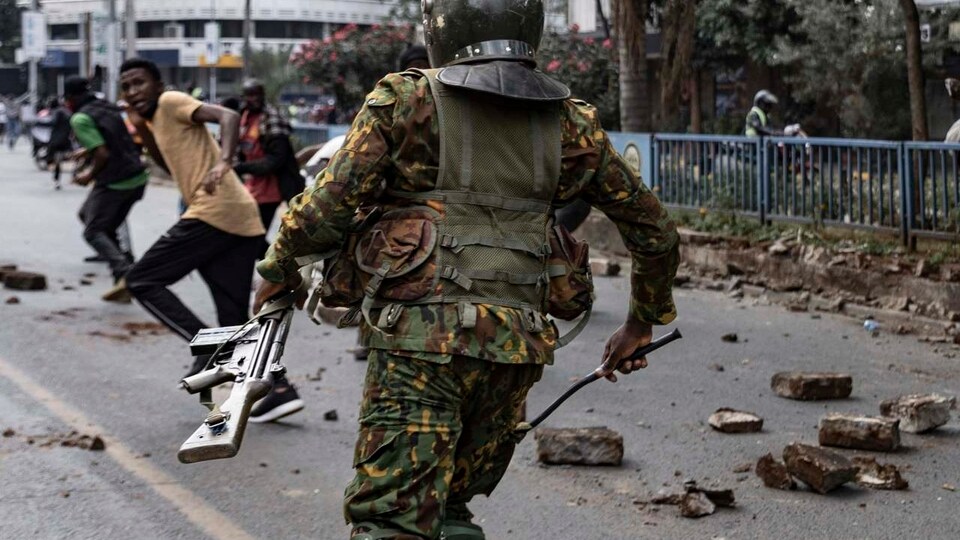
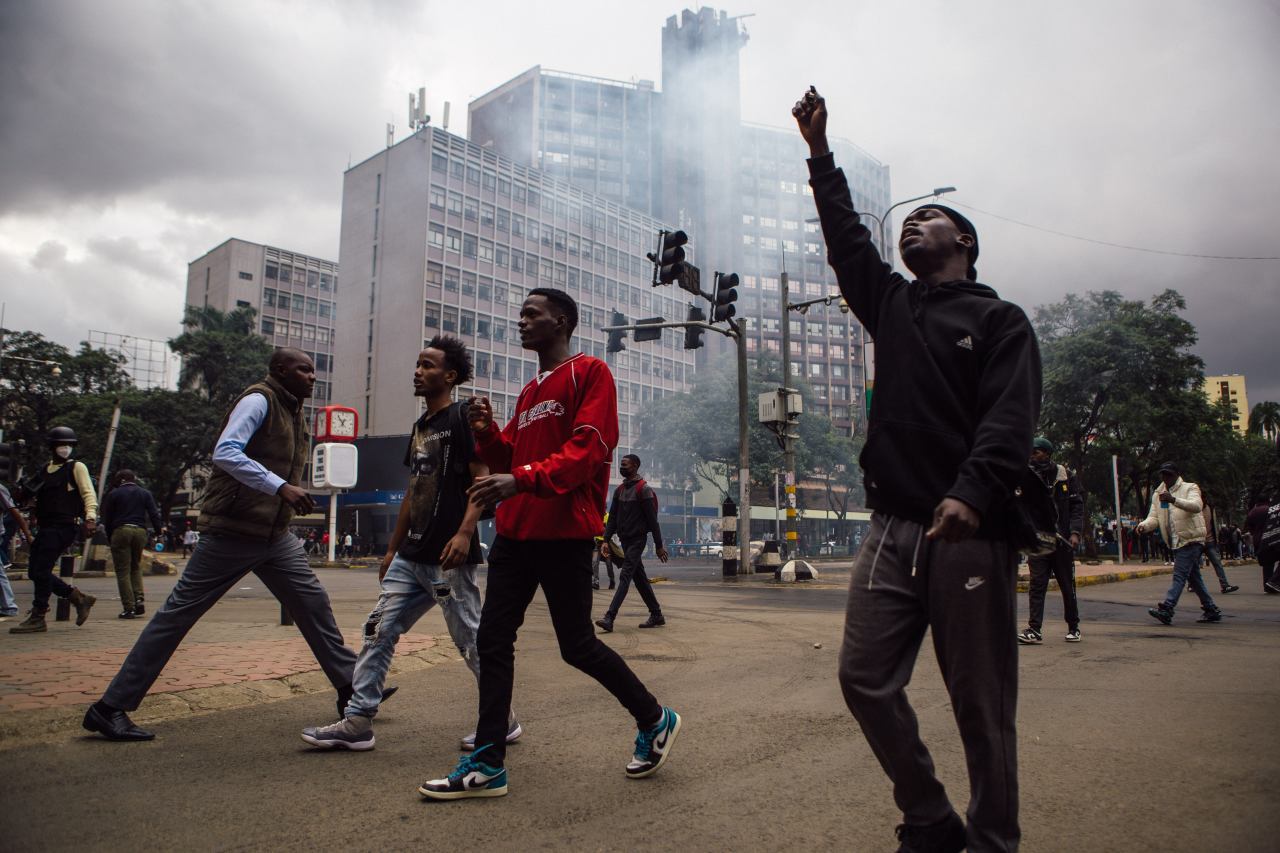
Prosecutors have charged 75 Kenyans with terrorism in recent weeks, the majority for allegedly destroying government property during street demonstrations against President William Ruto.
The charges raise the possibility that dissidents, most in their early 20s, could find themselves in maximum-security prisons for decades after allegedly participating in protests against high taxes, poor job prospects and rampant public corruption. Defense lawyers say none of the accused has a known criminal record or connections to designated terrorist groups.
“Applying terrorism charges even where you believe individuals have burned down buildings or committed robbery is excessive,” said Irungu Houghton, head of Amnesty International’s Kenya office.
Kenya is one of the closest U.S. allies in Africa, winning favor from Washington for deploying troops to neighboring Somalia to fight al-Shabaab, one of the world’s most-virulent al Qaeda affiliates, and sending police across the world to battle gangs in Haiti.
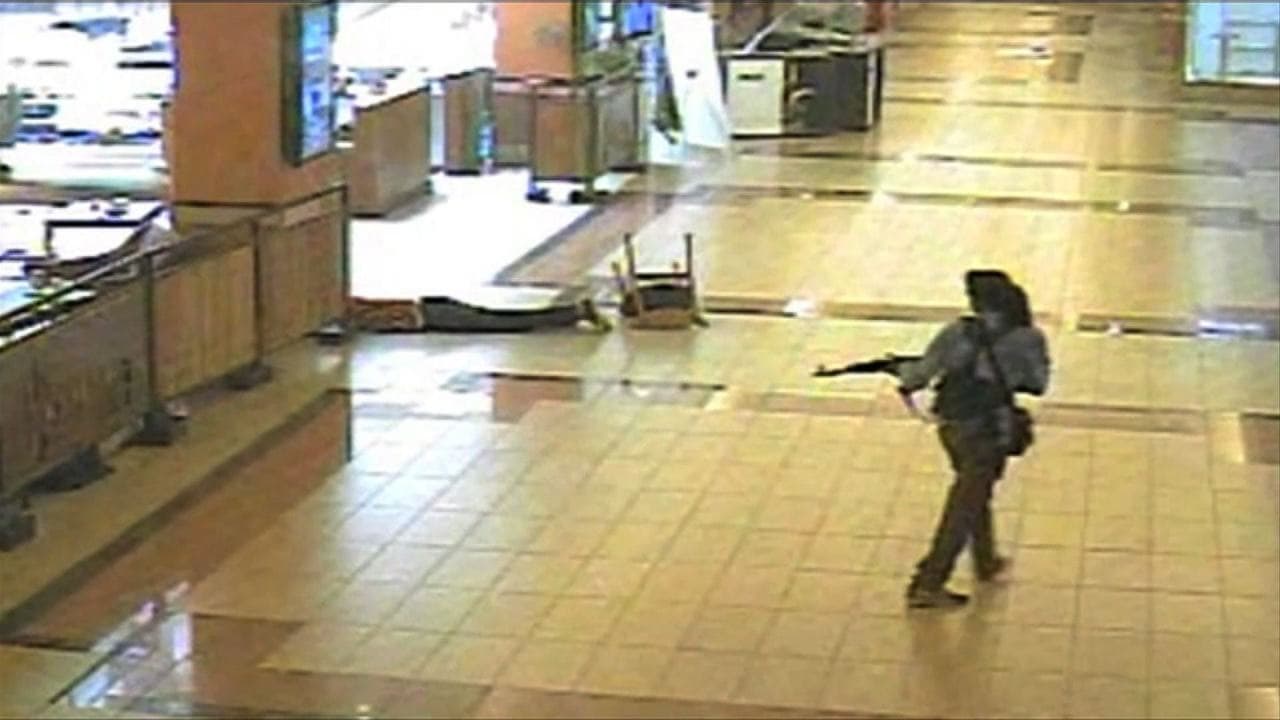
The U.S. helped Kenya establish the antiterrorism courts five years ago, after a series of al Qaeda-linked attacks shook the East African country, from the truck-bombing of the U.S. Embassy in 1998 to the massacres of shoppers at the Westgate Mall in 2013 and of students at Garissa University two years later.
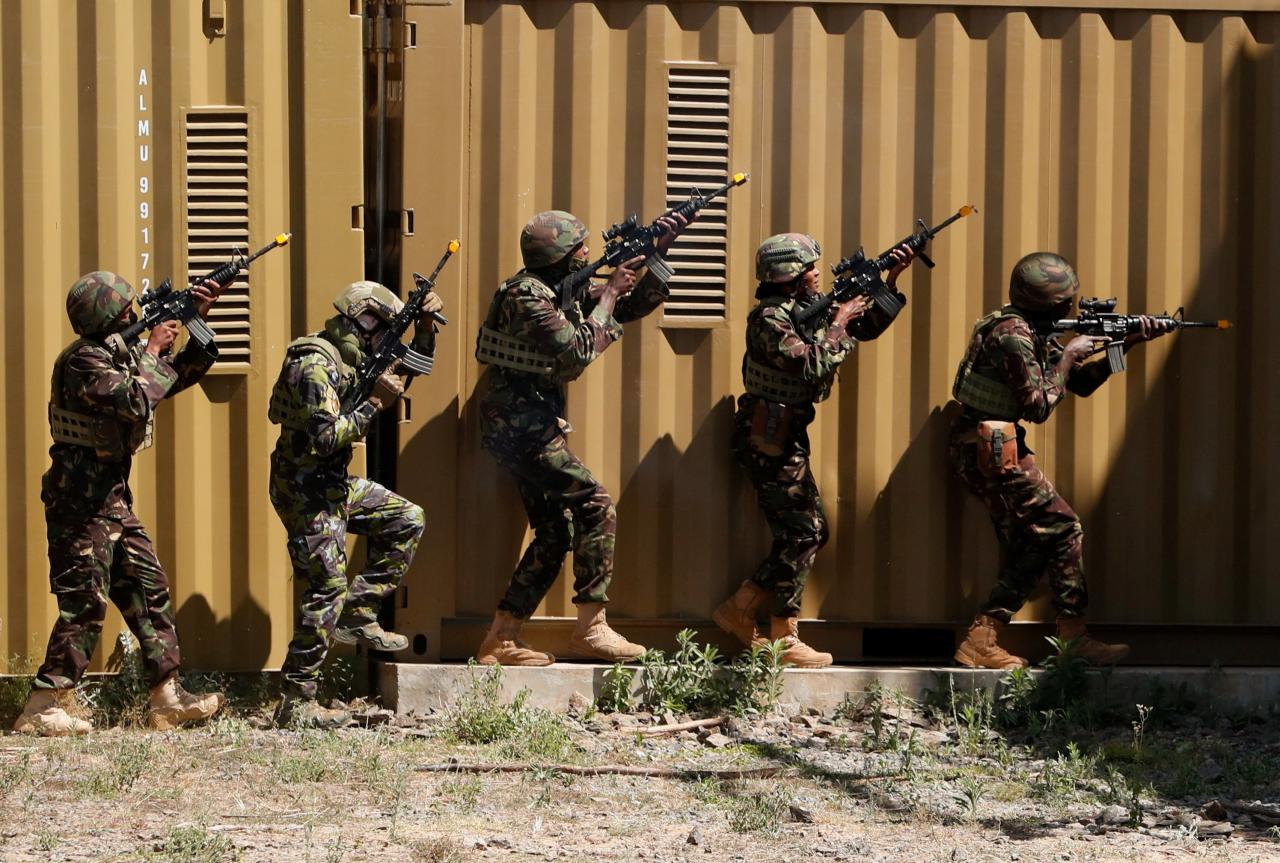
The U.S. provided training for judges, prosecutors and investigators to better identify and convict terrorists. That same year, the U.S. funded a Kenyan counterterrorism force, training officers in techniques similar to those used by U.S. agencies, including how to uncover terror networks, monitor and question suspects, secure crime-scene evidence and track terror financing.
In recent weeks, U.S. diplomats have raised concerns with Kenyan authorities that Ruto is misusing the courts to crush his critics, according to an American official. U.S., British, European and United Nations officials met privately with human-rights advocates in Nairobi in July to discuss the government crackdown.
The director of public prosecutions said in a recent statement that destroying government and private property constitutes a terrorist act when it disrupts essential services and aims to cause fear among the public or the government. The prosecutor’s office added that early investigations indicated the attacks on government property were premeditated.
A Ruto spokesperson didn’t respond to requests for comment.
The terrorism charges are the latest in a series of ever-sharper government responses to more than a year of youth-led demonstrations.
The Gen Z protests, as they’re known here, began in opposition to tax hikes, but have come to reflect anger about youth unemployment and the theft of public monies by government officials.
Just 10% of Kenyan workers have formal jobs, meaning millions, especially young people, are scratching out a living on the edges of the economy, according to the World Bank. Roughly one in three Kenyans lives below the poverty line.
Kenya ranks in the bottom third among 180 countries in the corruption perceptions index assembled by Transparency International, the nonprofit watchdog. Kenyans are faced with graft at all levels of government, from traffic police demanding a roadside payoff to the hard-to-explain wealth of top officials.
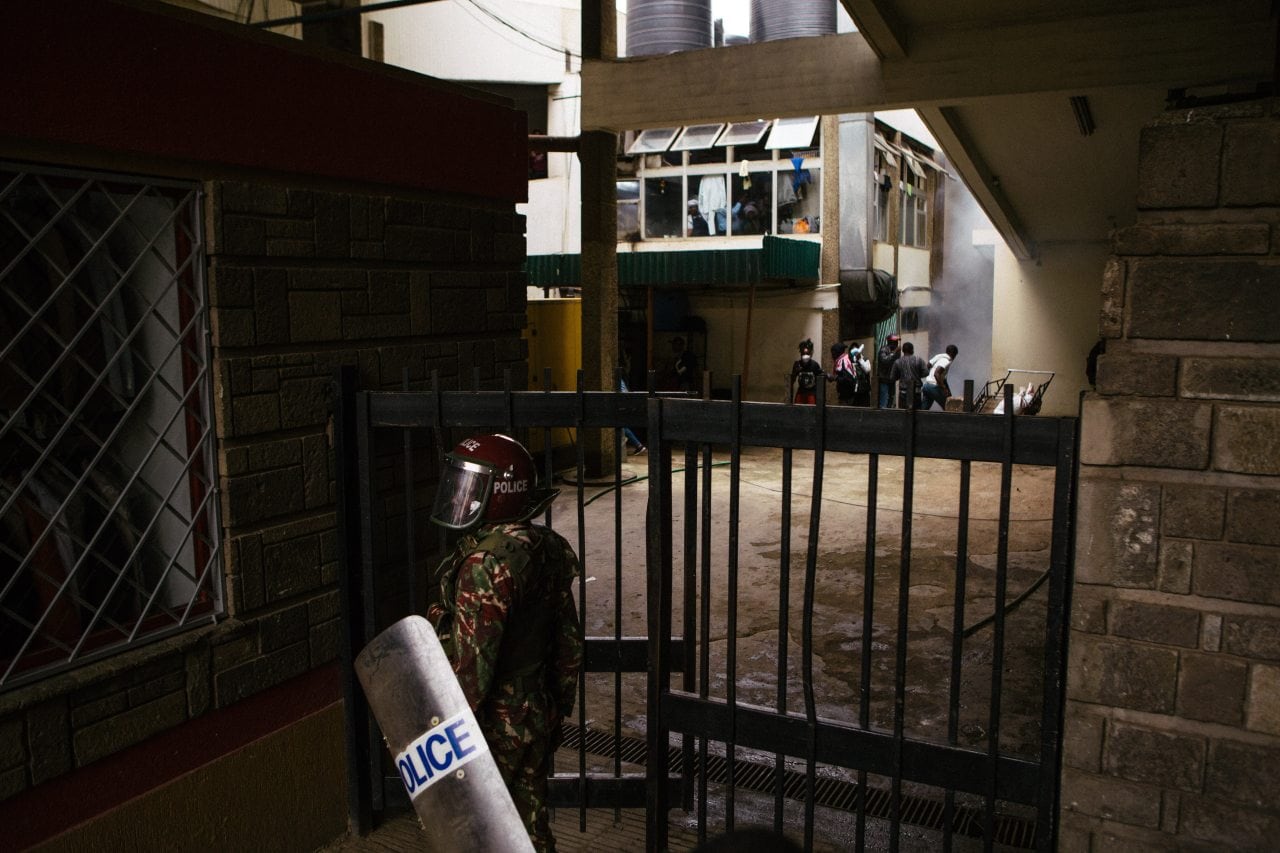
The heavy-handed reaction of security forces to the protests—jail-cell beatings, drive-by abductions and outright killings—has intensified the protesters’ fury.
More than 120 people were killed during demonstrations over the past year. In one recent incident filmed by a bystander and widely circulated among Kenyans, police shot a Nairobi street vendor in the head at point-blank range, apparently unprovoked.
Human-right groups accuse the government of hiring provocateurs—known locally as goons—to infiltrate protests and discredit demonstrators to justify the violent reaction. Goons, the activists say, looted, set fires and assaulted passersby while police stood aside.
Defense lawyers predict prosecutors will struggle to prove terrorism in protest-related cases, but say the charges could be damaging even if eventually dropped. “Within that time, they will have terrorized young people and sent a message to those at home that if you have a different opinion, we will come for you,” said Njeri Maina, a parliamentarian and lawyer representing the protesters. Maina says many defendants have been traumatized during detention in maximum-security prisons.
A National Police Service spokesperson declined requests for comment.
Officials have said harsh measures are necessary to prevent chaos and economic sabotage. Protests in 2023 cost Kenya some $23 million a day in infrastructure damage and lost sales, according to the Kenya Private Sector Alliance.
Meanwhile, Kenya and its U.S.-funded antiterrorism courts continue to face the threat from Islamist extremist groups. Some 60 civilians and security officers were killed last year in al-Shabaab attacks along Kenya’s borders with Somalia, according to the Nairobi-based Center for Human Rights and Policy Studies, a nonprofit research group.
U.S. commandos are stationed at a base at Manda Bay, Kenya, where they work with local counterparts fighting al-Shabaab.
Kenya’s repression of dissent has raised concerns in Washington. Sen. Jim Risch (R., Idaho), chairman of the Foreign Relations Committee, has proposed a review of Kenya’s designation as a major non-NATO U.S. ally, the only sub-Saharan Africa country to receive the status, which offers security benefits.
“Kenya’s security forces are accused of abduction, torture and even cross-border kidnappings,” Risch said in a statement. “We must be sure our assistance isn’t enabling these activities and assess whether these abuses mark a breakdown of institutions we rely on as partners.”
The U.S.-funded antiterrorism courts, located near a maximum-security prison to reduce the risks of transporting suspects, handle Kenya’s most high-profile terrorism prosecutions. In June a judge there sentenced two men to 30 years each for aiding a lethal 2019 al-Shabaab attack on a Nairobi hotel-office complex. One American, Jason Spindler, was among the 22 killed in the attack, and Washington saw the convictions as validation of its long-term strategy of reinforcing Kenya’s judicial system.
Now, to the dismay of rights groups, the courts are prosecuting young protesters.
Among them is 25-year old Sharon Nyairo, a junior chef at a Nairobi hotel, who says she lives paycheck-to-paycheck supporting herself and her mother.
When demonstrations spread around the country on June 25, Nyairo says she found herself unable to get to work, due to roadblocks and a public-transport shutdown.
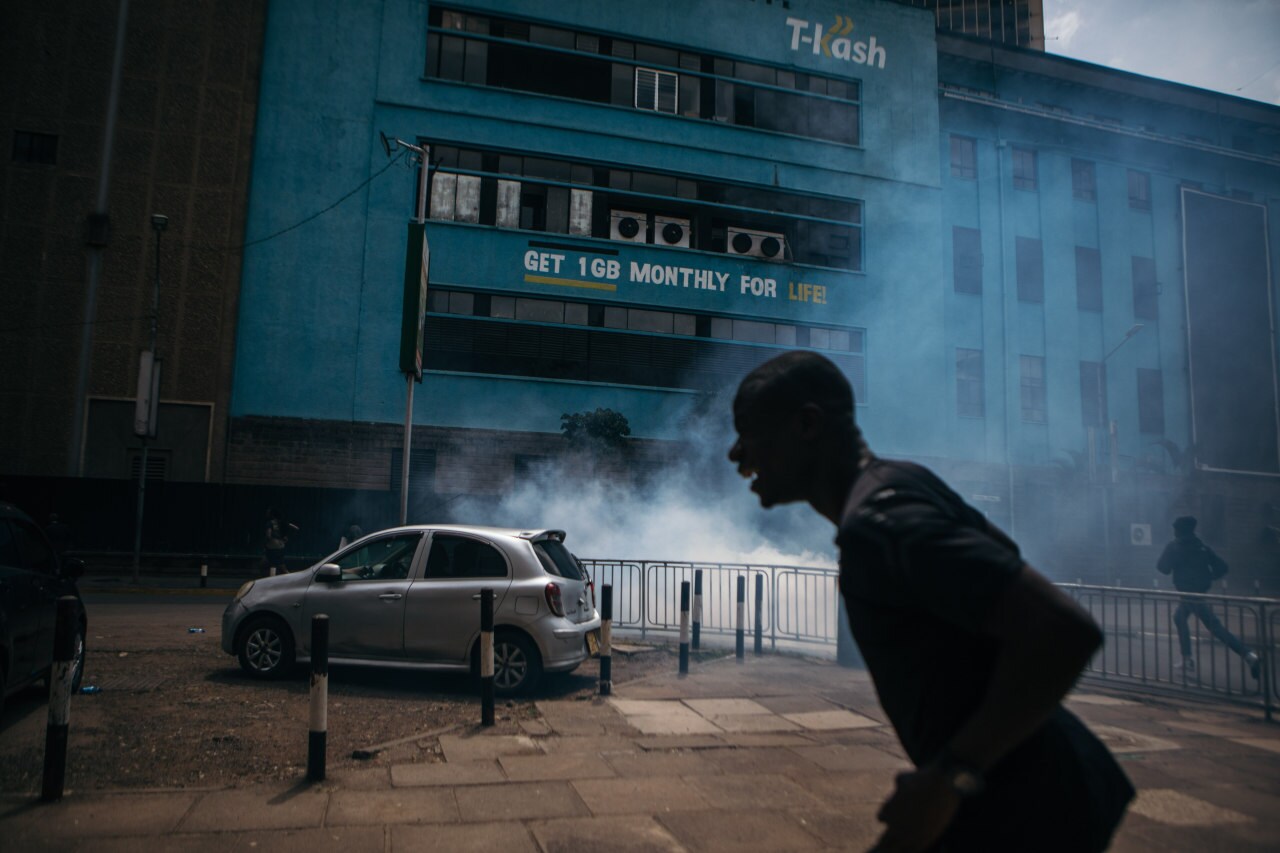
So, angry about corruption and police excesses, she says she joined friends protesting in Kikuyu, a lush town on the outskirts of the capital. They chanted and dodged tear gas.
That evening, after leaving the protests, she went out for food and found herself confronted by a police officer patrolling the area. He gave her a pointed look, she says, and addressed her brusquely in Swahili: “You’re a Gen Z—come here.”
He ordered her into one of the two police trucks behind him, both packed with young people.
Authorities accused Nyairo and two-dozen others in Kikuyu of raiding and torching government offices in the area, according to court documents. Within weeks, she found herself in a maximum-security prison, battling terrorism charges.
“It was mental torture,” Nyairo told The Wall Street Journal. She recalled spending the first nights sleeping on cold floors of police holding cells. Officers then moved her to a high-security facility, where she was unnerved by the routine strip searches, and stunned to be placed in the same block as convicted murderers.
Prison guards hinted she should get used to life there, given the charges she was facing, she says. At court appearances she would dissolve into tears.
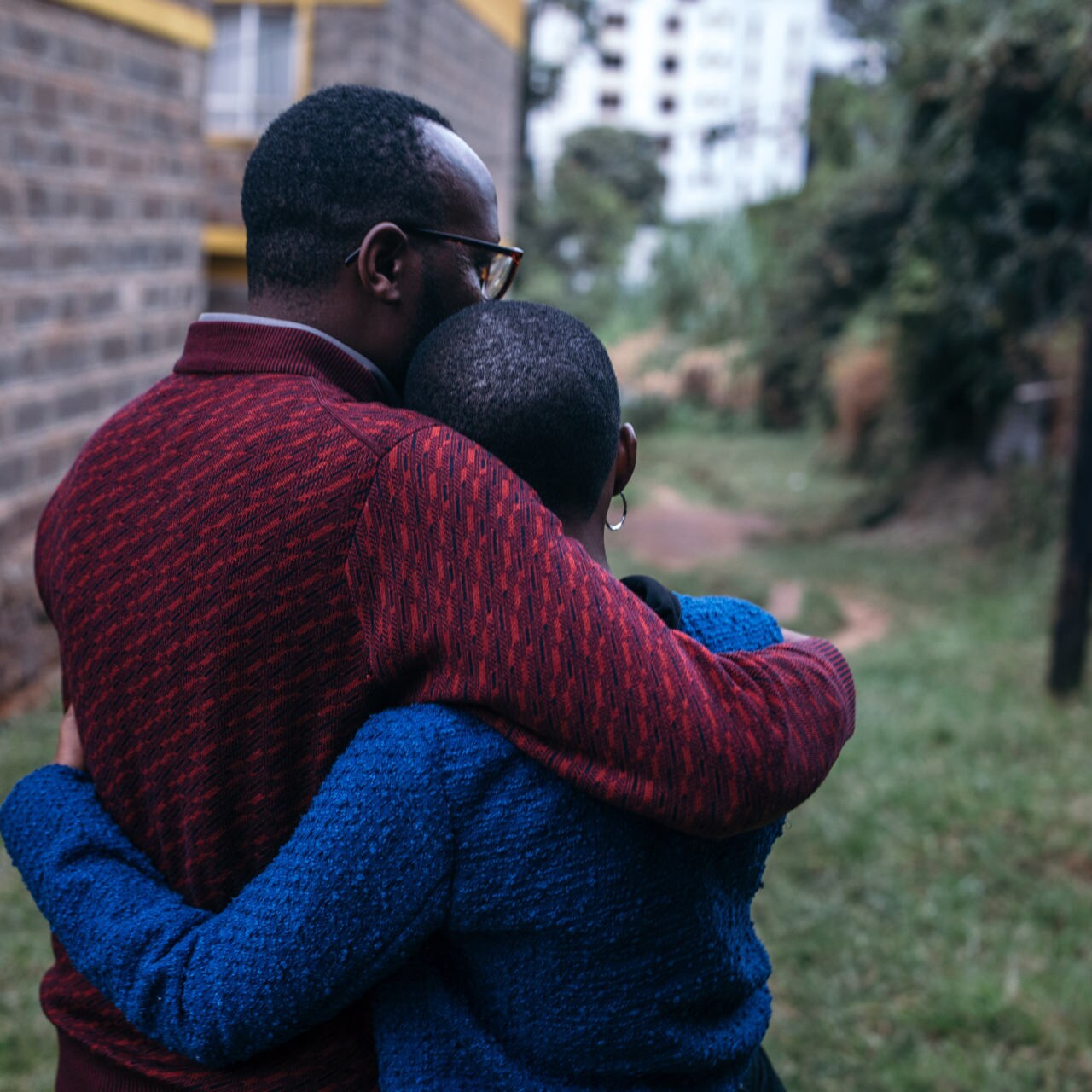
Nyairo’s mother says her daughter had no prior run-ins with police or even her teachers. “We fear for her, not knowing how this case will end,” her mother said.
A spokesperson for the prosecutor’s office said it couldn’t comment on cases currently before the courts.
An investigator with the terrorism unit revealed a widespread reluctance among his colleagues to proceed with the charges. “You definitely want to associate terrorism charges with serious terrorists,” said the investigator, adding that he believes the charges, while legal, are disproportionate.
Lawyers say many of the accused come from poor families, who often travel long distances for their children’s cases and cannot afford legal assistance or bail. Kenya’s antiterrorism law allows the government to detain people for up to a year before even being charged.
“The fact that the courts are entertaining these cases is a failure of justice,” said lawyer Andrew Muge, who represents dozens of the defendants.
Initially, courts set protest-related bail at between $1,500 and $2,300, a colossal sum for most Kenyan families. Lawyers and relatives appealed, however, and the courts dropped the demand to less than $400.
A public crowdfunding campaign raised bail money, but the kitty quickly ran dry, leaving many defendants stuck in high-security prisons awaiting trial.
Those convicted would generally face 30-year sentences.
U.S. agencies declined to comment on the recent events. However, a State Department spokesperson said the U.S. had documented human-rights concerns related to protests last year, including reports of unjust arrests and detentions. The spokesperson added that these issues “will remain a part of our diplomatic discussions.” The U.S. Embassy in Kenya declined to comment.
The most-recent round of protests hit after a teacher and blogger, 31-year-old Albert Ojwang, died in police custody.
A high-ranking police officer had accused Ojwang of publishing a critical post about him, and, on June 7, police seized Ojwang from his home in Homa Bay, a town in western Kenya. Officers took him to a local precinct before transferring him to a police station more than 200 miles away in Nairobi. His father followed behind, boarding an overnight bus to the capital, and carrying the family’s land title deed to post bond. By the time he had reached Nairobi in the wee hours of the morning, Albert was dead.
At first, police said Ojwang died after hitting his own head against the cell wall.
After an autopsy revealed head and body injuries consistent with an assault, and signs of a struggle, authorities admitted he had died at the hands of police. The police station commander, two junior officers and three civilian detainees face murder charges.
Maina, the lawmaker and defense lawyer, says she plans to introduce legislation amending antiterror laws to prevent their misuse. The laws, she said, are “so wide and vague that you can charge for someone breathing in a manner that you do not like.”
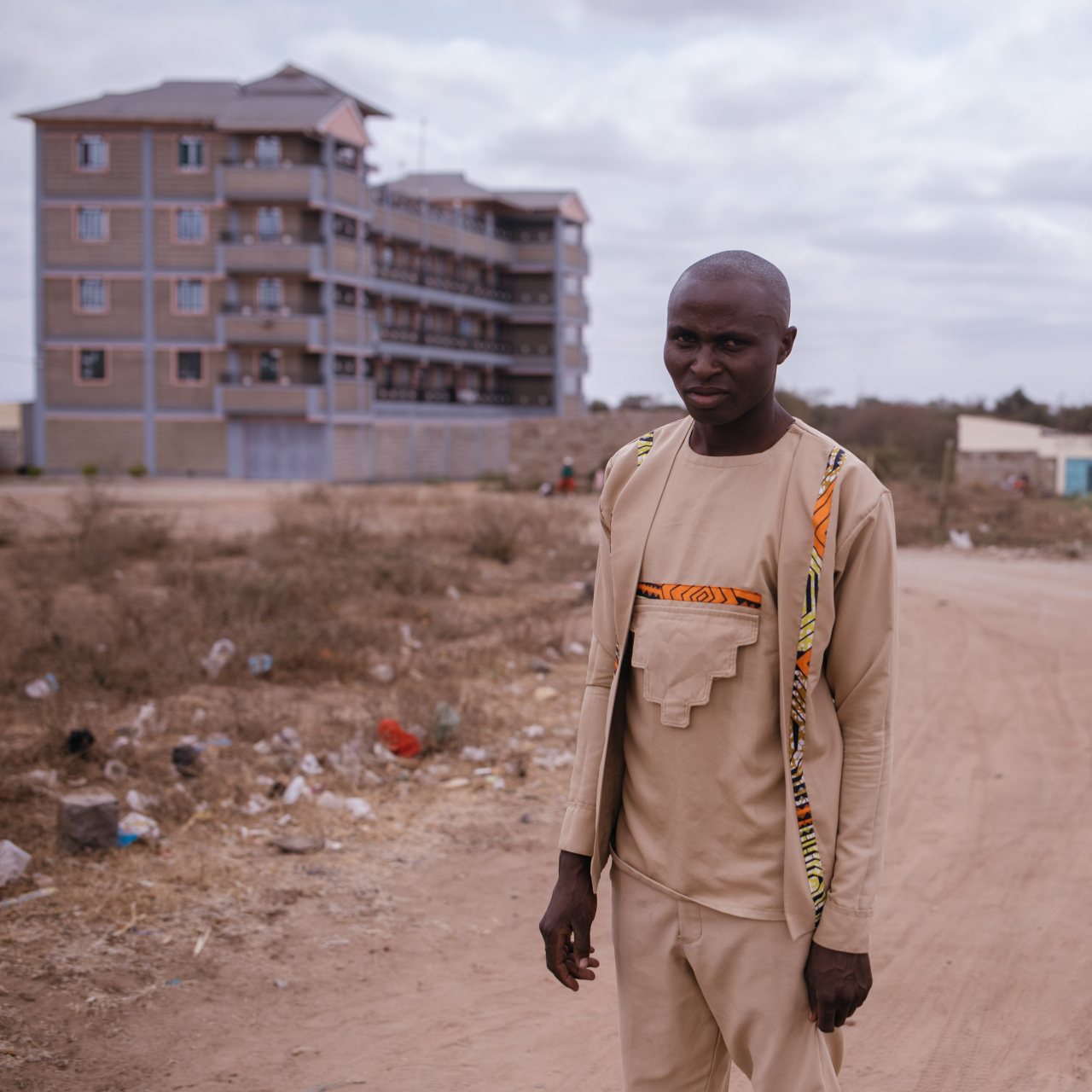
Mwau Katungwa, a 28-year-old student and part-time construction worker, says he attended a June protest in Matuu, a town in eastern Kenya, but left when it began to turn violent. He was arrested after helping two friends who had been wounded by gunfire.
Mwau Katungwa, a student and part-time construction worker, was arrested after helping two friends who had been wounded by gunfire..
“Should I have left them to die?” he asked in an interview.
“I’m not a terrorist,” he said.
Last month, Ruto ordered unspecified compensation for civilians and security forces killed or injured during protests.
But the president shows no sign of giving into protesters’ demands, especially from those calling for his resignation. He accuses such critics of illegally plotting his ouster.
Ruto publicly ordered police to aim for the legs of any protester vandalizing businesses. One of his top aides openly encouraged police officers to “shoot to kill” during demonstrations, later backtracking in the face of public outrage.
A police officer who publicly challenged the shoot-to-kill directives was transferred to a remote station. The officer, Hiram Kimathi, says he hasn’t been paid for two months and suspects he has been suspended, but hasn’t received formal communication.
“If you come out and say that what the government is doing is totally unconstitutional, you will find yourself in hot soup,” said Kimathi, who recently joined a movement against unlawful police conduct, alongside two former security officers.
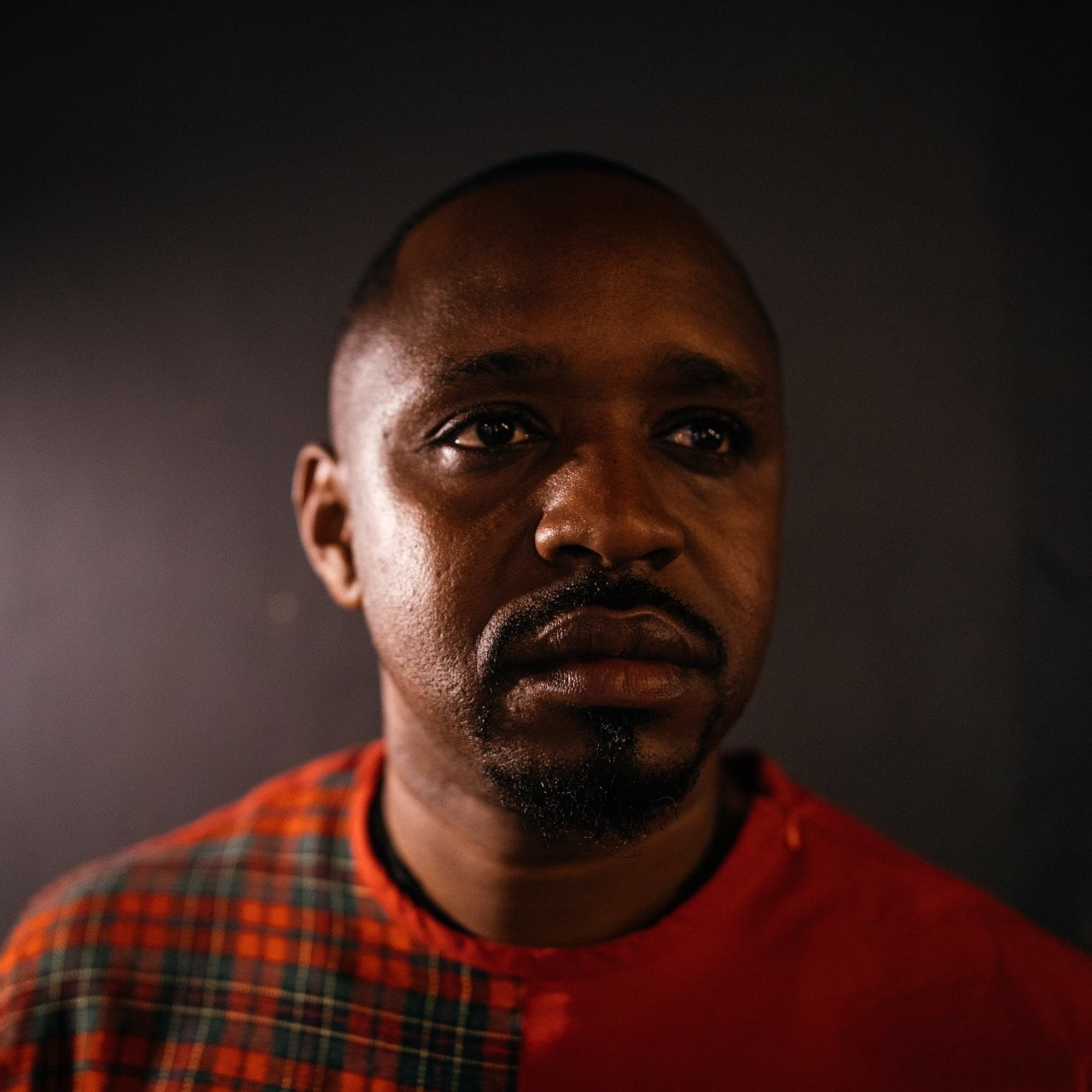
Kenyan activist and protest mobilizer Boniface Mwangi, 42, was arrested at his home to face charges of facilitating terrorism. He says officers searched his home without a warrant, as is sometimes allowed under the antiterror laws, before taking him to a police station.
Amid condemnation from the public and human-rights groups, authorities dropped the terror charges and instead charged him with unlawful possession of ammunition. Officials said they had seized three tear-gas canisters and a blank rifle round during their searches of his home and office.
“This is a fear offensive,” Mwangi said. “The government is ruining the lives of young Kenyans.”
Prominent human rights activist Boniface Mwangi, photographed at his office in Maguezi hub, which was raided by police.
Write to Caroline Kimeu at caroline.kimeu@wsj.com