E-Paper



New York branch of Pak bank allowed transactions by persons on US terror watch lists
The New York state department said the bank had misused its “good guy” list — a list of customers who purportedly were screened and identified as “very low risk”.


The New York branch of Pakistan’s largest bank, which has been slapped with a $225 million fine and ordered out of the US, allowed transactions by 154 entities and individuals on American terror watch lists, including a leader of a terror group and an international arms dealer.
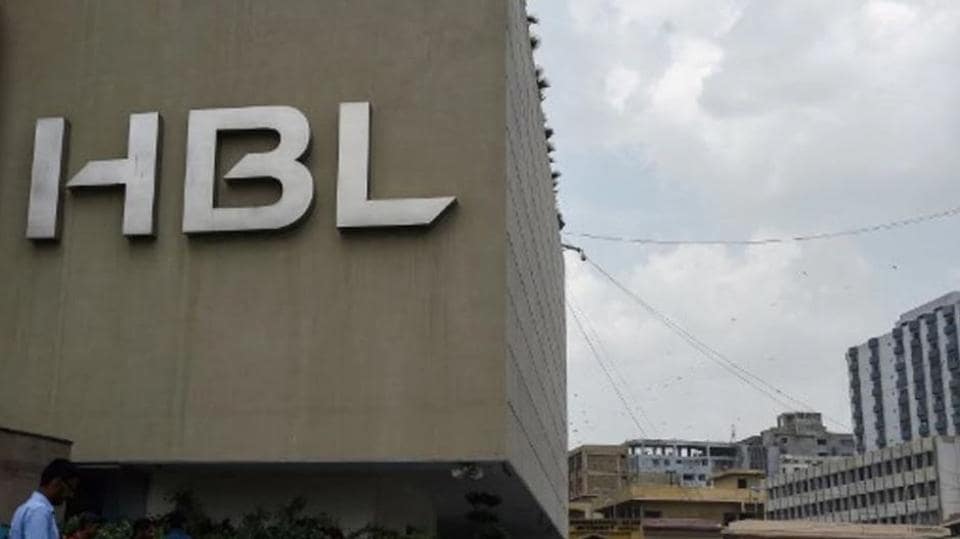
The New York state department of financial services had wanted to fine Habib Bank (HBL) up to $630 million for “grave” failures to in complying with anti-money laundering rules. The regulator said on Thursday HBL agreed to pay a third of the sum as part of a settlement whereby it will shut down the New York branch.
The findings of the department’s investigation into HBL’s operations, posted on its website, state the bank had apparently misused its “good guy” list — a list of customers who purportedly were screened and identified as “very low risk”.
The probe revealed that a “substantial number of parties were improperly included” on the list and that “at least $250 million in transactions have flowed through the New York Branch without any screening due to the apparent improper inclusion on the so-called ‘good guy’ list”.
At least 154 entries on HBL’s “good guy” list corresponded to entries on the US Specially Designated Nationals and Blocked Persons List (or the SDN List), which contains parties prohibited from transactions by the US treasury department.
Among the individuals and entities on HBL’s “good-guy” list who conducted transactions through the bank were “the leader of a Pakistani terrorist group”, a “known international arms dealer”, an “individual on the Specially Designated Global Terrorist list”, and the former deputy prime minister of Iraq under Saddam Hussein.
The department did not identify the Pakistani terrorist leader or the other individuals or provide other details about them or their transactions.
The action against HBL comes at a time when Pakistan is facing growing pressure from the Paris-based Financial Action Task Force (FATF) to crack down on the financing of terror groups, especially the Lashkar-e-Taiba and its various front organisations. It is believed that this pressure was one of the key reasons for Pakistan’s decision to put LeT founder Hafiz Saeed under house arrest in January.
The investigation also found multiple instances of multiple SWIFT payment messages being “improperly aggregated into a single message for processing”, thereby preventing HBL from “effectively screening these messages for suspicious or prohibited activity”.
The investigation uncovered instances where alerts generated by the HBL branch’s transaction monitoring system were improperly cleared even though “suspicious characteristics warranted escalation for further review by compliance staff, including instructions to withhold the name of a transaction’s beneficiary or other pertinent information”.
One such instance, the report said, involved a payment to a Chinese weapons manufacturer that was subject to US non-proliferation sanctions. The investigation determined that the “originals of certain trade finance documents had been altered to conceal that the goods shipped were explosives”.
The HBL branch also facilitated transactions worth billions of dollars with a Saudi private bank, the Al Rajhi Bank, with reported links to al-Qaeda, without “adequate anti-money laundering and counter-terrorist financing controls”.
HBL, which has its headquarters in Karachi, is Pakistan’s largest bank with total revenues of $1 billion in 2016 and $24 billion in total assets.