
 E-Paper



Disease caused by rare flesh-eating bacteria that can kill in 2 days spreads in Japan. All you need to know
A total of 977 cases of streptococcal toxic shock syndrome (STSS) have been discovered in the country till June 2.

 Prefer HTon Google


A disease caused by a rare “flesh-eating bacteria” that can kill people within 48 hours is spreading in Japan, Bloomberg reported on Saturday.
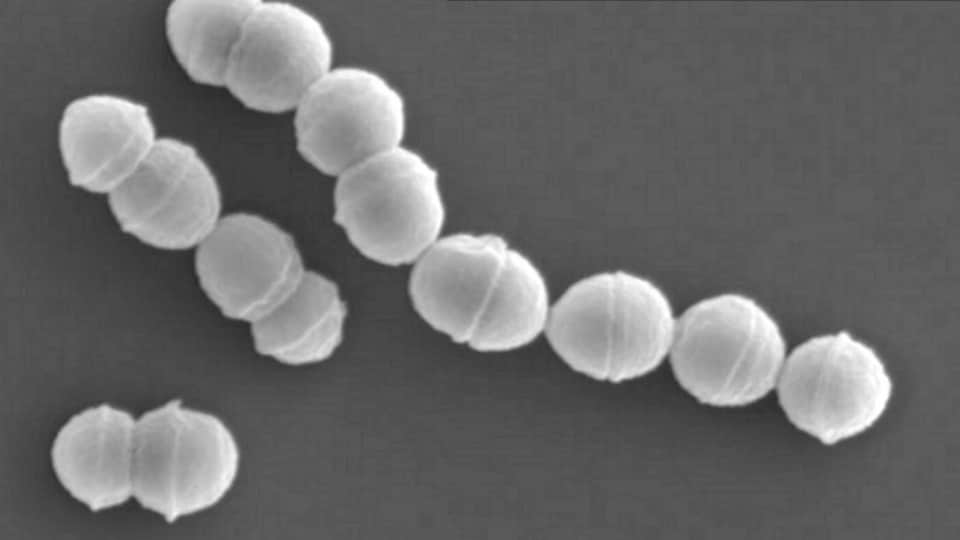
A total of 977 cases of streptococcal toxic shock syndrome (STSS) have been discovered in the country by June 2.
This is higher than the record 941 cases reported for all of last year, according to the National Institute of Infectious Diseases, which has been tracking incidences of the disease since 1999.
The rare flesh-eating bacteria—Group A Streptococcus or GAS—typically causes swelling and sore throat. However, in some cases, the bacteria can lead to rapidly developing symptoms, including limb pain and swelling, fever, and low blood pressure, which can be followed by necrosis, breathing problems, organ failure, and death, according to Bloomberg.
“Most of the deaths happen within 48 hours,” Ken Kikuchi, a professor in infectious diseases at Tokyo Women’s Medical University, told Bloomberg. "As soon as a patient notices swelling in the foot in the morning, it can expand to the knee by noon, and they can die within 48 hours.”
Also Read | CDC issues National Health Alert for infections caused by flesh-eating bacteria
Kikuchi added that at the current rate of infections, the number of cases in Japan could reach 2,500 this year, with a “terrifying” mortality rate of 30%.
Kikuchi also urged people to maintain hand hygiene and to treat any open wounds.
According to the US CDC, anyone can get STSS, but it is most common in older adults – 65 years or older.
People with an open wound are at increased risk for STSS, the US CDC said on its website. People with diabetes or alcohol use disorder, previously known as alcohol dependence or alcoholism, are at increased risk for STSS, it adds.
Besides Japan, several other countries have experienced recent outbreaks of the streptococcal toxic shock syndrome, according to Bloomberg.
In late 2022 at least five European nations reported to the World Health Organization an increase in cases of invasive group A streptococcus (iGAS) disease, which includes STSS. The WHO said the rise in cases followed the end of Covid restrictions.


