
 E-Paper



Rare Indian plants at home in largest Victorian glasshouse in London
The Temperate House in west London is home to an internationally important collection of temperate zone plants arranged region-wise from Asia, Africa, Australia, New Zealand, the Americas and the Pacific Islands.


A massive Victorian glasshouse at the sylvan Kew Gardens in west London that first opened in 1863 has undergone a five-year restoration, and is drawing crowds to the many rare, exotic and nearly extinct plants from across the globe, including India.
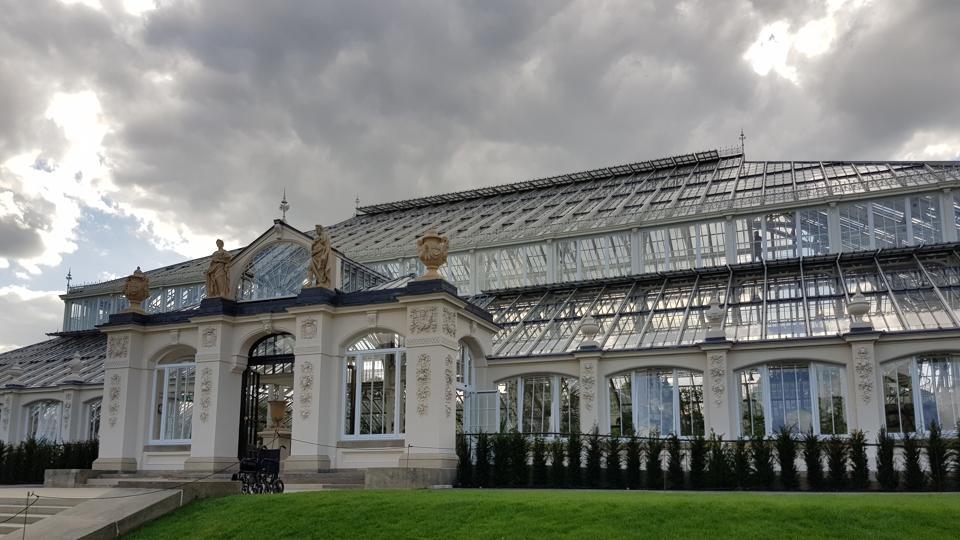
Called Temperate House, the structure is big enough to house three Boeing 747s. It is home to an internationally important collection of temperate zone plants arranged region-wise from Asia, Africa, Australia, New Zealand, the Americas and the Pacific Islands.
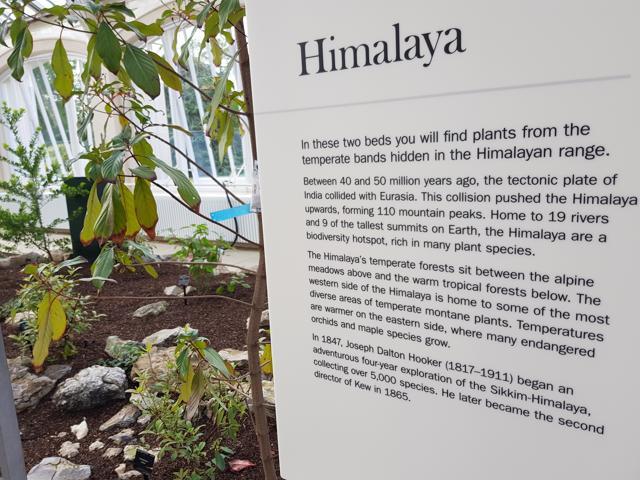
Greg Redwood, head of glasshouses at Kew Gardens, said: “There are over 1,500 plants from across the globe’s temperate zones. In the Himalaya area, visitors can find a number of plants which occur in northeast India such as the Himalayan Mimosa, Mimosa himalayana, and Himalayan bamboo, Dendrocalamus hamiltonii.”
Among the plants is the extremely rare South African cycad Encephalartos woodii, which is not found in the wild but in exclusive botanic gardens and private collections. It is dubbed “the loneliest plant in the world” because only male plants remain, and each is a clone of the specimen at Kew, which was collected in the middle of the 19th century.
Another example is the Leucospermum conocarpodendron sub species conocarpodendron grown from seeds more than 200 years old, which are among the longest living seeds ever. The seeds were tucked away in a red leather-bound wallet from 1803 until 2005.
There were 40 seed packets in the wallet, each labelled with species annotations, some mysterious, with one listing saying: “Seeds from a tree with crooked thorns.” The wallet also contained Chinese silk, an envelope with a lock of dark hair, and a prayer written in the centre of a flower cut out from paper.
The restoration of cost £41 million. Horticulturalists believe that due to global challenges of climate change, biodiversity loss and food security, the plant collections highlight Kew’s role in safeguarding rare and threatened plants from extinction.
Spread over 300 acres and founded in 1840, Kew Gardens has several links with India over the years, including during the colonial era and more recently with the Indian Council of Agricultural Research.
Rare Indian plant species in Temperate House:
Euonymus glaber (Indian spindle bush)
Oreocnide frutescens
Stephania rotunda
Setaria palmifolia
Diplazium esculentum (edible fern)
Disporum chinense
Osbeckia stellata
Chlorophytum undulatum
Mimosa himalayana (Himalayan mimosa)
Rubus ellipticus (Himalayan bramble)
Ardisia solanacea
Dendrocalamus hamiltonii (Himalayan bamboo)
Dioscorea deltoidea (wild yam)
Trachycarpus martianus (martianus windmill palm)


