
 E-Paper



Sheikh Hasina says 2024 protests were ‘not peaceful’, alleges movement aimed for regime change: ‘Designed by mastermind’
The former Bangladesh PM claimed students were ‘emotionally manipulated’; cops were killed and ‘hung from flyovers’ during the protests which led to her ouster.

 Prefer HTon Google


Former Bangladesh prime minister Sheikh Hasina on Wednesday claimed that the 2024 student protest, which led to the fall of her government, was "not a peaceful student movement" but a coordinated campaign that used students as a cover for violence and regime change.
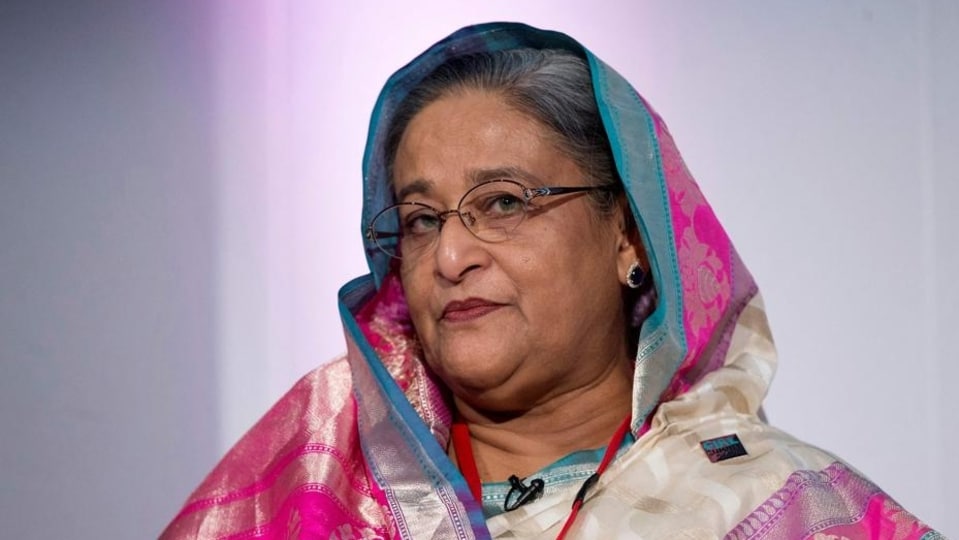
Speaking at her first press conference in Delhi since fleeing Bangladesh, Hasina said the protests were not a spontaneous student movement. She alleged that organised groups used students to destabilise her government.
READ ALSO | 'Forced away from Bangladesh but never separated from people': Sheikh Hasina breaks down
'Not a peaceful student movement'
“Let me tell you the truth about July-August 2024. It was not a peaceful student movement. It was not a spontaneous student protest,” she said.
She claimed that her government attempted to resolve the crisis through dialogue and reminded listeners that the Awami League government had abolished the quota system in 2018 in response to student demands.
“Responding to students' demands, we abolished the quota system in 2018. False propaganda was spread,” she said. The students were “emotionally manipulated,” she added.
Hasina also referred to remarks by former Bangladesh interim chief adviser Muhammad Yunus and alleged that he had described the movement as "meticulously designed by a mastermind."
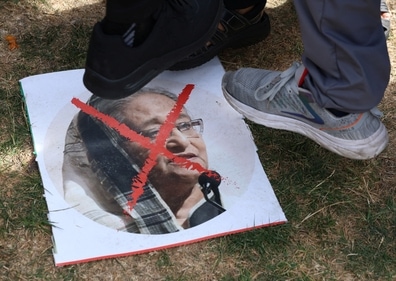
'Violence began from July 15'
According to Hasina, the protests “turned violent” from July 15, 2024.
“Killing, arson, attacks and looting began from July 15,” she said. The ex-PM alleged that government offices and institutions were vandalised, media organisations were targeted and journalists were killed during the unrest.
Hasina also claimed that police personnel were killed and that their bodies were hung from flyovers during the protests. Questioning the criticism of the police response, Hasina said the state had a responsibility to protect lives and public property.
“When police and government buildings are burnt and looted, does the state have no duty to protect life and property?” she asked.
ALSO READ | Sheikh Hasina says she will return to Bangladesh in December, gives no date
Judicial inquiry 'stopped'
The former prime minister said she set up a judicial inquiry commission on July 18, 2024, to “investigate the violence” and document every casualty.
“The purpose was clear, every casualty was to be noted,” she said.
That said, she alleged that the interim government led by Muhammad Yunus halted the investigation after assuming power.
“They didn't want justice, they wanted power. They didn't want investigation; they wanted the truth to burn,” Hasina said and described the July-August unrest as a “coordinated assault driven by violence and propaganda.”
The 2024 student protests in Bangladesh
The 2024 Bangladesh protests began in July as a student-led movement against the reinstatement of a quota system for government jobs. Students opposed a court order that revived a 30% quota for descendants of veterans of Bangladesh's 1971 Liberation War and said that recruitment should be based on merit.
ALSO READ | Government distances itself from Hasina presser
Although Sheikh Hasina's government abolished the quota system in 2018 following earlier protests, a court ruling brought it back which led to fresh demonstrations. The Bangladesh Supreme Court later scaled back the quota, but by then the protests had expanded into an anti-government movement.
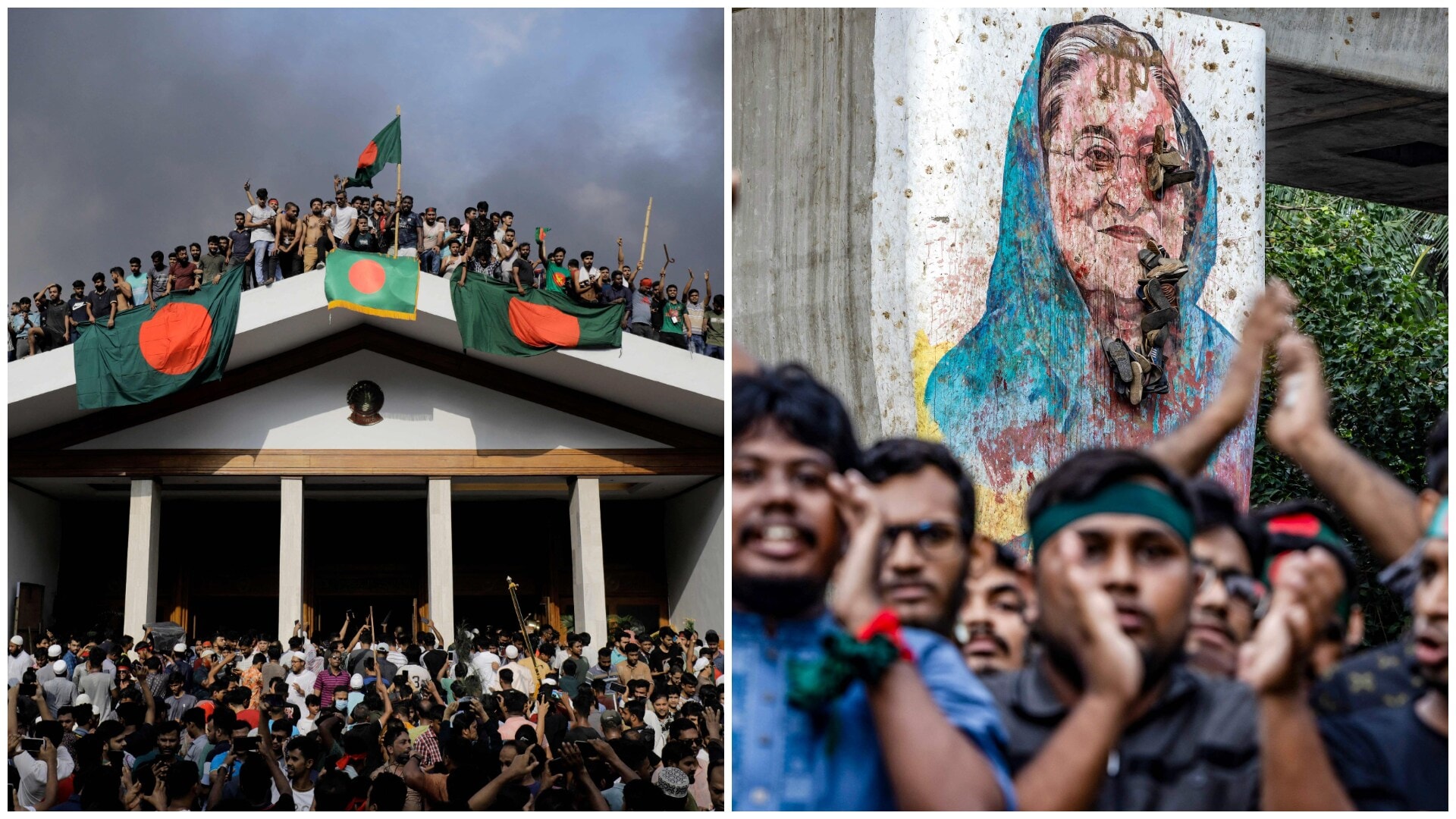
Police and supporters of the ruling Awami League party clashed with student protesters. Security forces, on alleged orders of Hasina, used tear gas, rubber bullets and live ammunition to disperse protesters.
Arson, vandalism and attacks on public buildings were also reported. As the unrest grew, students and opposition groups began demanding Sheikh Hasina's resignation. The agitation was the biggest challenge to her 15-year rule.
Up to 1,400 people were killed between July 1 and August 15, 2024, according to the UN Human Rights Office (OHCHR). The UN said many of those killed were students and other young protesters.
ALSO READ | Bangladesh ex-PM Sheikh Hasina gets death penalty year after violent overthrow of her regime
As the protests reached their peak, thousands of demonstrators marched towards Sheikh Hasina's official residence in Dhaka on August 5, 2024. Facing paramount pressure, Hasina resigned as prime minister and fled to India. Soon after, Nobel Peace Prize laureate Muhammad Yunus was appointed chief adviser of Bangladesh's interim government. Tarique Rahman was elected new Bangladesh Prime Minister in the February elections.
Following Hasina's ouster, Bangladesh's International Crimes Tribunal initiated proceedings against Hasina over the deaths during the 2024 protests. Several cases, including those related to crimes against humanity, were filed against her. In 2025, the tribunal sentenced Hasina to death in absentia.
Hasina, who remains in India, has said she would return home in December this year.


