
 E-Paper



Shinzo Abe state funeral: Timeline of the career of the assassinated Japanese PM
Shinzo Abe State Funeral: Shinzo Abe is credited with bringing stability to Japan following a period of economic stagnation and frequent leadership changes.

 Prefer HTon Google


As a state funeral for the former Japanese Prime Minister Shinzo Abe takes place on Tuesday, his contribution as a politician and the longest-serving prime minister remained quite significant for the country. Shinzo Abe was assassinated on July 8 in the city of Nara during a campaign speech. Shinzo Abe is credited with bringing stability to Japan following a period of economic stagnation and frequent leadership changes.
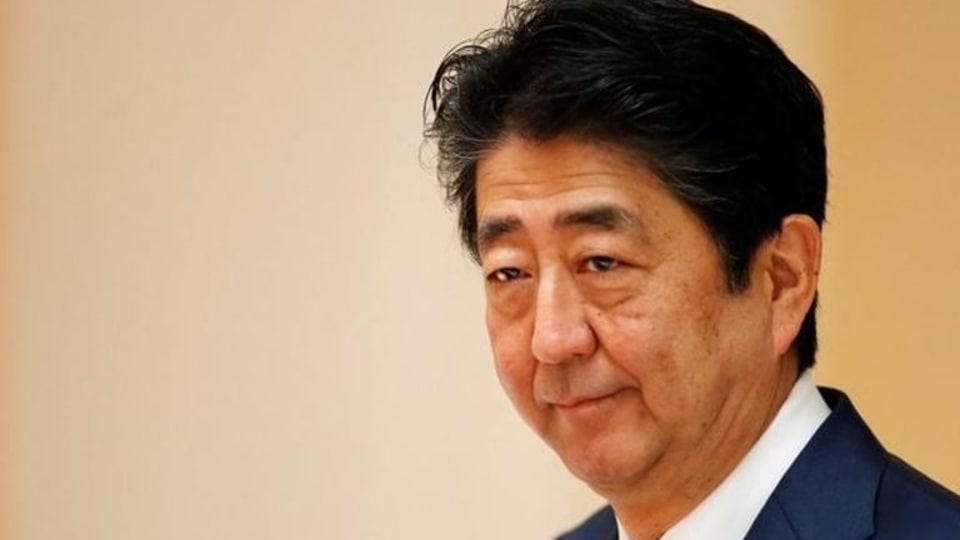
Here's a look at the life and career of former Japanese Prime Minister Shinzo Abe:
September 21, 1954: Shinzo Abe was born in Tokyo, the son of former foreign minister of Japan Shintaro Abe and the grandson of former prime minister Nobusuke Kishi.
1977: Shinzo Abe earned a political science degree from Seikei University in Tokyo and relocates to US to spend three semesters studying public policy at the University of Southern California.
Read more: More than Queen Elizabeth II's? How much will Shinzo Abe's state funeral cost
1979: He started working at Kobe Steel.
1982: Shinzo Abe left the company to pursue new opportunities with the ruling Liberal Democratic Party and the Foreign Ministry.
1993: Shinzo Abe was then chosen to serve as an LDP lawmaker for Yamaguchi.
2005: Shinzo Abe becomes chief cabinet secretary and is in charge of negotiating the release of kidnapped Japanese nationals from North Korea.
September 26, 2006: Shinzo Abe takes office as Japan's first prime minister and oversees economic reforms.
2007: Shinzo Abe steps down as prime minister, citing health reasons.
2012: Shinzo Abe becomes the second prime minister after being re-elected as LDP president.
2013: Shinzo Abe introduces his "Abenomics" plans, which focused on structural reforms and easy lending.
2014-2020: Shinzo Abe held the position of prime minister for a total of four terms.
August 28, 2020: Shinzo Abe declares his resignation as prime minister citing health reasons.
July 8, 2022: During a speech at a political gathering in the city of Nara, Shinzo Abe is fatally shot.


