E-Paper



Tajikistan says Taliban have abandoned pledges to form broad-based interim government
Tajikistan’s foreign ministry said Afghanistan is on the brink of a humanitarian catastrophe because of the withdrawal of foreign forces and the situation there is “one of the major threats to regional security”.

 Prefer HTon Google


Pakistan’s efforts to forge a common front with regional countries on Afghanistan didn’t find takers in Tajikistan, with President Emomali Rahmon saying on Wednesday the Taliban had abandoned promises to form a broad-based interim government with other political forces.
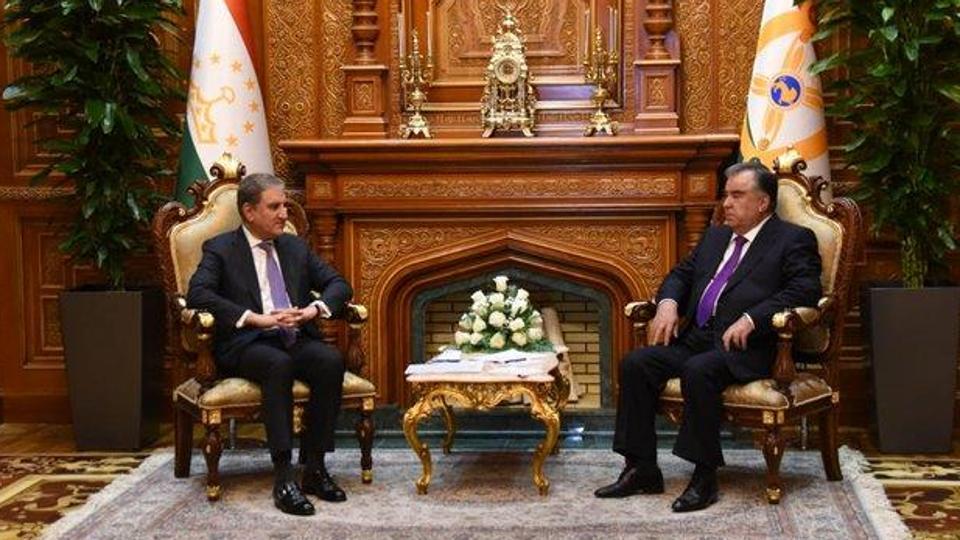
Rahmon told visiting Pakistan foreign minister Shah Mahmood Qureshi during a meeting that Tajikistan wouldn’t recognise any government formed through oppression in Afghanistan. He called for an inclusive government with the participation of all minorities, especially Tajiks who make up more than 46% of the Afghan population.
On Tuesday, Qureshi began a four-nation tour to Tajikistan, Uzbekistan, Turkmenistan and Iran. He will interact with the leaders of these countries on the situation in Afghanistan following the Taliban takeover. The Foreign Office in Islamabad said Pakistan believes regional countries have a vital stake in the security and stability of Afghanistan and coordinated efforts are needed to address common challenges.
A statement from the Foreign Office on Wednesday said Qureshi, during his meeting with Rahmon, underlined the importance of a coordinated approach to realise shared objectives.
Tajikistan’s foreign ministry said Afghanistan is on the brink of a humanitarian catastrophe because of the withdrawal of foreign forces and the situation there is “one of the major threats to regional security”. The Taliban’s “rise to power has further complicated the geopolitical process in the region”, it added.
“Evidence clearly shows that the Taliban are abandoning their previous promises to form an interim government with the broad participation of other political forces in the country and are preparing to establish an Islamic emirate,” the foreign ministry said in a statement.
Tajikistan condemned all forms of lawlessness and persecution of Afghan people, especially Tajiks, Uzbeks, and other minorities, and called for the setting up of an inclusive government with the participation of all minorities, especially Tajiks who make up more than 46% of the Afghan population.
The statement further said, “Tajikistan will not recognise any other government that is formed in [Afghanistan] through oppression, without taking into account the position of the entire Afghan people, especially all its minorities.”
Tajikistan also called for urgent measures by the world community to ensure peace and stability in Afghanistan and to “stabilise its difficult political and security situation through negotiations as soon as possible”. It warned the international community’s “indifference to the current situation in Afghanistan could lead to a protracted civil war”.
Rahmon proposed several ways to the Pakistani side for ensuring peace, stability, and sustainable development in Afghanistan.
Since the Taliban took over several districts and crossings along the borders with Uzbekistan, Tajikistan and Turkmenistan, concern has grown among the Central Asian states. They have turned to Russia to help bolster security along their frontiers.
The Tajikistan capital of Dushanbe and the airbase at Ayni have played a key role in India’s efforts to evacuate its nationals and others from Afghanistan. Indian civilian and military aircraft have conducted several flights from Dushanbe to bring back hundreds of evacuees.
Pakistan is among the few countries with extensive contacts with the Taliban leadership and has been seeking to coordinate with regional countries in influencing the formation of the next government in Kabul.