
 E-Paper



There's a Red Sea alternative to Strait of Hormuz, but it's not a straight solution: Why Saudi Yanbu route may not work
Saudi Arabia giving customers option of receiving oil via Red Sea port of Yanbu on its western side, while Strait of Hormuz on its east remains blockaded

 Prefer HTon Google


As the Strait of Hormuz remains closed with Iran squeezing oil trade and the global economy in retaliation for US-Israeli strikes, Saudi Arabia is reportedly offering on an alterative plan. But that comes with some caveats, underlining further how important the strait remains.
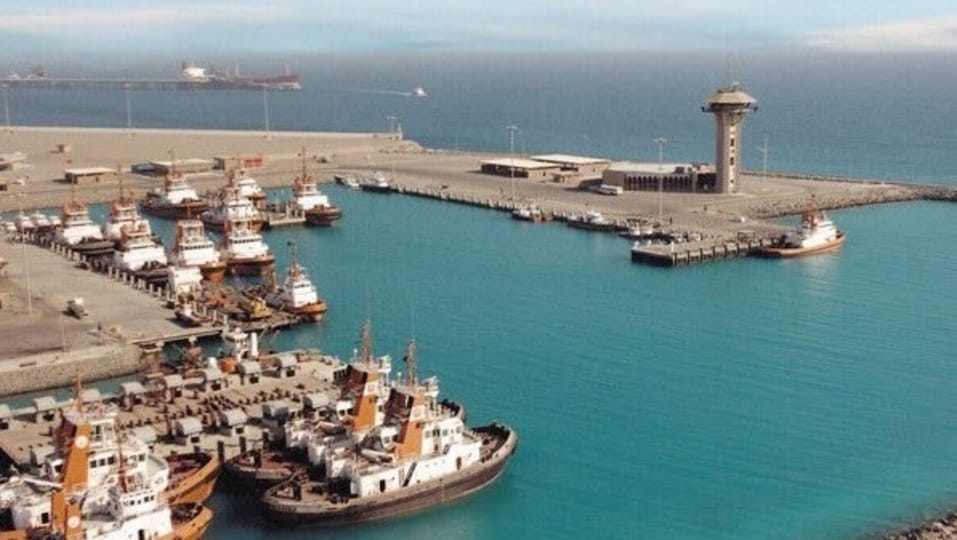
The Saudi regime, firmly on the US side in the war on its age-old nemesis Iran, is giving long-term oil customers the option of receiving their allocations for the month of April via a Red Sea port called Yanbu, news agency Bloomberg reported on Monday, March 16.
But buyers who choose Yanbu will only get a portion of their monthly supply. Because, there are constraints on how much crude the pipeline to this port can carry, as per traders who have been informed by Saudi state-run oil firm Aramco.
Also read | India says 'no discussion' with US on combined force to reopen Strait of Hormuz
The other option remain via the Persian Gulf, but at the risk of not getting any supply at all if the Strait of Hormuz remains under a blockade. Aramco, the world’s biggest oil exporter, declined to comment on Bloomberg's request.
Yanbu route, explained
Geography mainly dictates why Yanbu may not be that viable after all.
Normally, almost all oil leaves through what could be called the front door — the Strait of Hormuz on the Persian Gulf side on the east-facing side of the Arabian peninsula. This strait is a narrow passage between the peninsula and Iran, which is across the water further east.
It's wide, fast, and direct, especially for ships heading to Asia. Customers arrange their own ships, pick up the oil, and go.
Yanbu is the back door, on the Red Sea side. For oil to reach Yanbu, it first has to travel through a pipeline that runs 1,200 km across the entire country. That pipeline has a limited capacity, so you simply cannot push as much oil through it as you can via the Hormuz Strait.
On top of that, the sea journey to Asia from the Red Sea is around the peninsula, longer than from the Gulf region. That adds to shipping time and cost.
Also read | Amid Strait of Hormuz tensions, why UAE's Fujairah port is key to oil trade: Explained
What numbers say
The numbers underline the issues. Aramco shipped 7.2 million barrels a day of crude in February, before Iran was hit by US-Israeli airstrikes and thus it effectively blocked the strait.
That oil in February was exported mostly from the Gulf terminals of Ras Tanura and Juaymah on the eastern side of the Arabian peninsula.
Since Yanbu is away on the west-facing side, the Saudis have a 5 million barrel-a-day pipeline that runs across the country to Yanbu. But then, export capacity at the Yanbu port may be even smaller than that, Bloomberg noted. Aramco has been ramping up shipments via Yanbu since the beginning of the war, now into its third week.
The Saudis typically sell all of their oil via long-term contracts, the bulk of which goes to Asia.
Sinopec, China’s biggest refiner, is cutting its work pace by 10% as there are shortages, while Japan has started to release crude from its national reserves. India has got some oil and gas via the strait — Iran says it's closed only for Americans, Israelis and their allies — but future is not certain even for those getting some relief in between. Beyond Asia, some European refiners have reported receiving less contractual volumes of crude from Aramco, the report added.
Trump oscillates some more on the strait
US President Donald Trump has been shifting his logic about why America went to war at all.
Iran has shown little willingness to seek a ceasefire as it continues to hit US targets in Gulf countries, including Saudi Arabia and the UAE.
On Monday, after days of claiming to “secure” the Strait of Hormuz, and then asking for help from other countries but getting none, Trump said “maybe we (US) shouldn't be there at all”.
“I am demanding that these countries come in and protect their own territory, because it is their territory... they should help us,” he told reporters aboard Air Force One on Sunday night (US time), apparently using ‘territory’ to mean area of interest.
"You could make the case that maybe we shouldn't be there at all, because we don't need it. We have a lot of oil," he argued.
This came after he said he's demanded that at least seven countries — he did not name them — send warships to keep the key waterway for oil and gas transport open as Iranian strikes continue to rain down on Gulf countries and the wider region. That help is not forthcoming.


