
 E-Paper



UNSC draft resolution condemns Russia, asks for force withdrawal from Ukraine
The UNSC resolution, which shall be put to vote today in New York, reaffirms its commitment to the sovereignty, independence, unity, and territorial integrity of Ukraine and calls Russian aggression a breach of international peace and security.

 Prefer HTon Google


Condemning the Russian aggression against Ukraine in thestrongest term, the draft UNSC resolution apart from authorizing force has asked Moscow to immediately, completely, and unconditionally withdraw all its military forces from the territory of Ukraine.
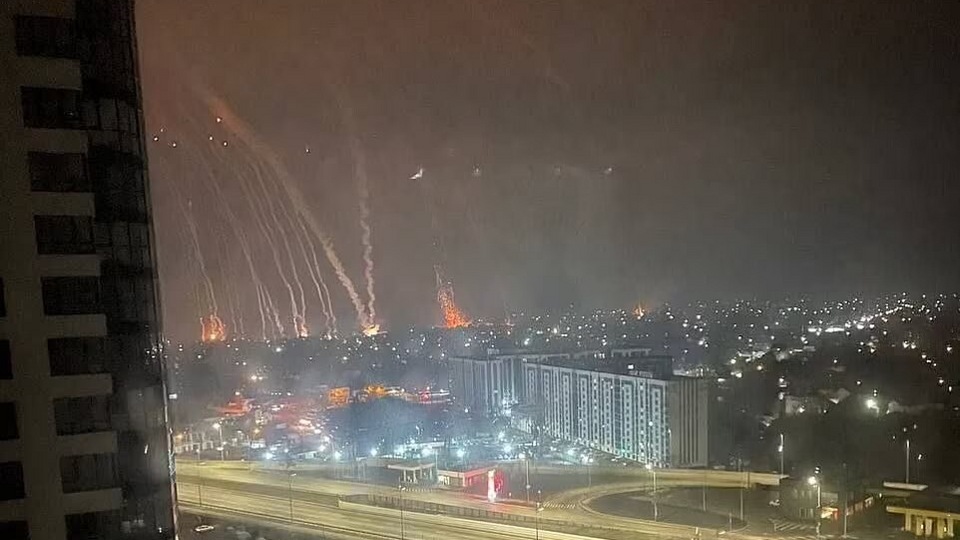
The UNSC resolution, which shall be put to vote today in New York, reaffirms its commitment to the sovereignty, independence, unity, and territorial integrity of Ukraine and calls Russian aggression a breach of international peace and security.
The draft resolution, which will be worked and negotiated upon by UNSC members before vote, calls for an immediate cessation of Russia’s use of force against Ukraine and refraining from “any further unlawful threat or use of force against any UN member state” as Putin warned other countries against interference or face “consequences as never seen before”.
“The Russian Federation shall immediately, completely, and unconditionally withdraw all of its military forces from the territory of Ukraine within its internationally recognized borders,” the draft resolution says.
Also Read | US moves authorizing force resolution in UNSC to counter Russia
Western countries have imposed multiple sanctions in a bid to stop Moscow from invading Ukraine but the Russian Federation troops are closing on Kyviv through multi-pronged military maneuvers after achieving total dominance of Ukraine skies.
The UN resolution condemns Russia’s decision to recognise certain areas of the Donetsk and Luhansk regions of Ukraine as independent territories, calling it a violation of the territorial integrity and sovereignty of Ukraine and “inconsistent with the principles of the Charter of the United Nations.” It calls for unconditional reversal of the decision related to the status of the breakaway parts of Ukraine.
The resolution also calls upon the parties to the Minsk agreements to abide by it and work constructively in “relevant international frameworks” towards their full implementation.
“Allow and facilitate the rapid, safe, and unhindered access of humanitarian assistance to those in need in Ukraine, to protect civilians, including humanitarian personnel and persons in vulnerable situations, including children,” the draft resolution says.
It also urged the UN member states, the Organization for Security and Cooperation in Europe, and other international and regional organisations, to support the de-escalation of the heightened tensions.
Condemning all “violations of international humanitarian law and abuses of human rights”, it further demands all parties to strictly respect the relevant provisions of the “Geneva Conventions of 1949 and their Additional Protocols of 1977, as applicable, and to respect human rights.”


