
 E-Paper



US, Iran prepare to exit war as fatigue and costs kick in; Pakistan will get peace bonus
Iran has signed the Nuclear Proliferation Treaty (NPT) as a non-nuclear weapon state and has also given a written assurance of not developing a nuclear weapon.

 Prefer HTon Google


With President Donald Trump indicating that conflict resolution talks could resume in Islamabad as early as tomorrow, both US and Iran are headed for a political exit from the 40-day punishing and exhausting war as American appetite for long drawn war is diminishing with domestic economic factors coming into play.
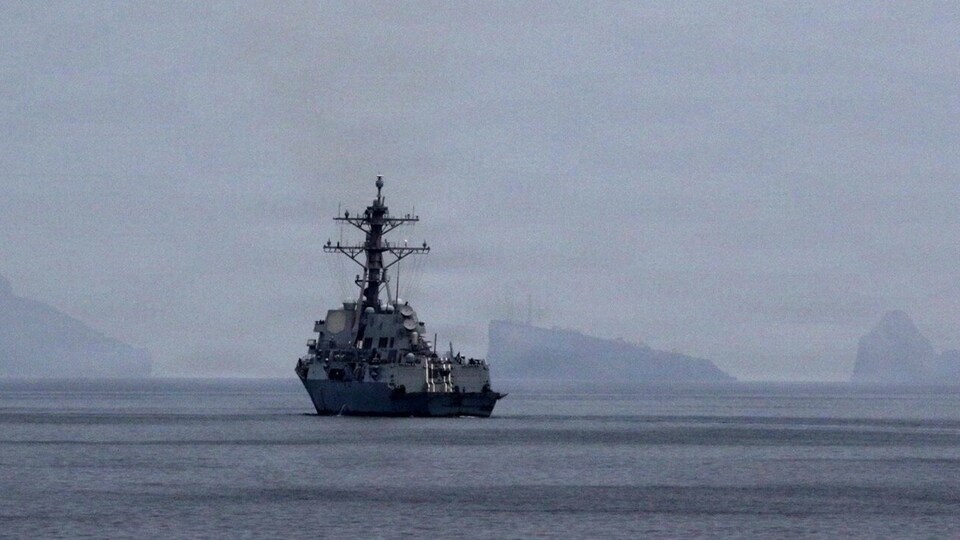
Even though the first round of talks in Islamabad failed on grounds of lack of commitment from Iran on not to seek a nuclear weapon, the fact is Iran has signed the Nuclear Proliferation Treaty (NPT) as a non-nuclear weapon state and has also given a written assurance of not developing a nuclear weapon under the 2015 Joint Comprehensive Plan of Action (JCPOA). So clearly there is more than meets the eye in the failed talks as Iran now does not have the capacity to develop a nuclear weapon after its nuclear sites were reduced to rubble during the US and Israel bombings. It will be quite some time when Iran will be able to enrich the uranium that it has to weapons grade as the entire nuclear infrastructure has been obliterated by bombing. Follow live updates on Iran-US war here.
Similarly, despite all bombastic statements, Iran has not retaliated to the blockading of the Straits of Hormuz by the American armada and will have to yield ground to making the Straits for free and open navigation or else its economy will take a further hit as US will not allow oil ships to leave Iranian ports. Even Iran’s allies like China are facing an energy crisis due to the blockade of the Strait of Hormuz.
Simply put, both sides are preparing for what western media calls off-ramp from the war and it is quite evident that both sides will also claim victory with Pakistan successful in changing its image to a global peacemaker from a global terrorist state. The hardline Iranian regime can claim victory because the Islamists still run the show and there has been no political collapse. It is another matter that Iran has been blown to smithereens by US and Israel bombing and will take at least a decade to recover provided sanctions are lifted by President Trump. The US will claim victory as it has bombed the Iranian nuclear program to the dark ages, destroyed the armed forces and neutralized the majority of the top leadership since February 28. The Iranian threat to Israel has also been reduced with Prime Minister Netanyahu using the war to pulverize Iranian proxy Hezbollah in Lebanon.
What is ironic is that Pakistan, which supplied nuclear centrifuges and material to Iran in the first decade after being supplied the same by China in the 1990s, will play the peacemaker and will use the collected IOUs to cash with Trump, China and the Sunni Gulf countries. One must not forget that the nuclear bomb design for 1998 tests by Pakistan was supplied by China apart from the trigger and the delivery platforms. Same China has supplied air defence systems and missile motors to Iran in lieu of oil.
India will have to watch Pakistan in the coming days as Field Marshal Asim Munir’s clear objective is New Delhi and Islamabad will use the peace talks to enhance its reputation with Gulf countries like Saudi Arabia and Qatar as well the proximity of its leader with President Trump. Chances of Pakistan coming close to Iran appear rather bleak given the Sunni-Shia play and the defence agreement between Islamabad and Riyadh. It is quite evident that Pakistan will use its IOUs for acquiring more military capability against India while trying to play a larger role in the Middle-East.
While President Trump and Prime Minister Narendra Modi held a 40 minute call on Tuesday, the two countries are on the same page when it comes to Iran’s nuclear ambitions and the Straits of Hormuz. They are equally concerned about the Gulf countries which were made collateral damage by Iran for supporting the US war effort.
Given the state of play it is quite evident that the US will extract a long term, perhaps 20 years, commitment from Iran to stay away from the nuclear weapon, while hardline Tehran would prefer a short commitment to tide over Trump’s presidency. Peace in the region will remain fragile with sporadic missile exchanges against Israel and covert attacks against US global interests by Iran possible. Till the time the hardline regime stays in Iran, US and Israel will represent Satanic forces to Tehran and hence the threat will remain.


