
 E-Paper


Daylight Saving Time 2026 ending: Americans to turn their clocks back one hour on November 1 - All you need to know
Americans will set clocks back one hour at 2 a.m. local time on November 1, 2026, returning to standard time and gaining an hour.

 Prefer HTon Google


The citizens of the United States will adjust their clock backward by one hour on November 1, 2026, marking the conclusion of daylight saving time across the majority of the nation. However, the legislative body has not yet ratified a measure designed to discontinue the biannual temporal adjustment.
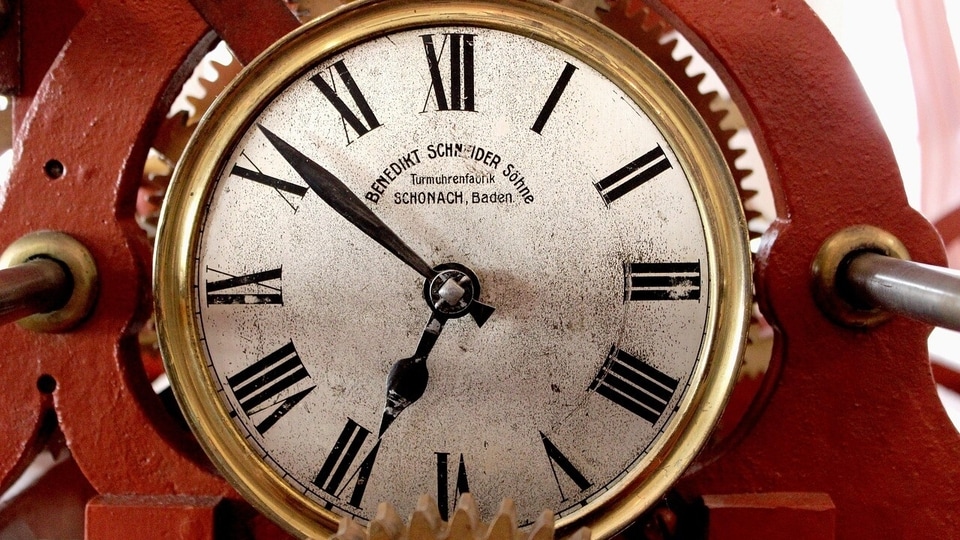
While President Donald Trump has made considerable efforts in recent months and public sentiment has increasingly favored discontinuing clock changes, the Sunshine Protection Act has not yet reached the President for signature. Currently, federal legislation remains unmodified, and the majority of Americans should ready themselves for the upcoming clock adjustment backward.
The clock will be set back from 2 am to 1 am in accordance with local time on Sunday, November 1. This event signifies the transition to standard time, affording American citizens an additional hour of rest. Furthermore, this adjustment will result in earlier sunset times and increased morning daylight as the winter season approaches, according to USA Today.
Daylight saving time: All you need to know
Daylight saving time concludes at 2 a.m. local time on Sunday, November 1, 2026, when clocks are set back one hour to 1 a.m.
This transition represents the shift back to standard time and provides Americans with an additional hour of rest. The change also results in earlier evening darkness and increased morning brightness as the winter season approaches.
Under the existing legislation, daylight saving time commences on the second Sunday in March and concludes on the first Sunday in November.
Why do Americans reset their clock?
The United States implemented daylight saving time in 1918 as part of the Standard Time Act during World War I, with the primary objective of conserving fuel and electricity through optimized use of natural daylight. This initiative was reinstated during World War II but subsequently discontinued.
The Uniform Time Act, enacted in 1966 under President Lyndon B. Johnson's administration, created a standardized national framework governing the semiannual clock adjustments across states that participate in daylight saving time.
Do all US States reset their clocks?
As of 2026, 48 states and Washington, DC, participate in daylight saving time. However, not every region across the United States adheres to daylight saving time.
Hawaii and the majority of Arizona maintain standard time year-round, though the Navajo Nation within Arizona does observe seasonal clock adjustments.
Several US territories also refrain from observing daylight saving time, such as American Samoa, Guam, the Northern Mariana Islands, Puerto Rico, and the US Virgin Islands.


