
 E-Paper


Teen who admitted planning terror attack in Sydney says he used AI for his plans: Report
The teen was sentenced to a three-year Community Corrections Order for acts in preparation for a terror attack and violent extremist material offences.

 Prefer HTon Google


A Sydney teenager who reportedly admitted to planning a terrorist attack in Sydney in 2024 was sentenced to a three-year Community Corrections Order by the NSW Supreme Court on Monday. The 16-year-old has claimed that he was radicalised online and used artificial intelligence (AI) for his plans, The Guardian reported.
The teenager, known under the pseudonym ‘RK’ due to his age, pleaded guilty but escaped prison as the court sentenced him to a three-year Community Corrections Order in a ruling on Monday for acts in preparation for, or planning a terrorist act, according to local authorities.
Also Read | Australia to sue Facebook, TikTok over violations of under-16 social media ban
What the authorities said
According to an official statement, an investigation was launched in mid-2024. The probe by the NSW Joint Counter Terrorism Team (JCTT), comprising the Australian Federal Police, NSW Police Force, the Australian Security Intelligence Organisation (ASIO) and the NSW Crime Commission, found that between June 30 and August 7, 2024, the youth carried out preparatory acts for a terrorist act by researching target locations and attack methodologies.
During the same timeframe, the boy intentionally transmitted violent extremist material across online forums and social media platforms.
On August 7, 2024, authorities executed a search warrant at a Sydney residence, where they seized the boy's mobile phone and uncovered 41 files containing violent extremist material, the statement added. Following this, he was arrested.
Telegram, emails, and ChatGPT: Inside teen's plan for attack
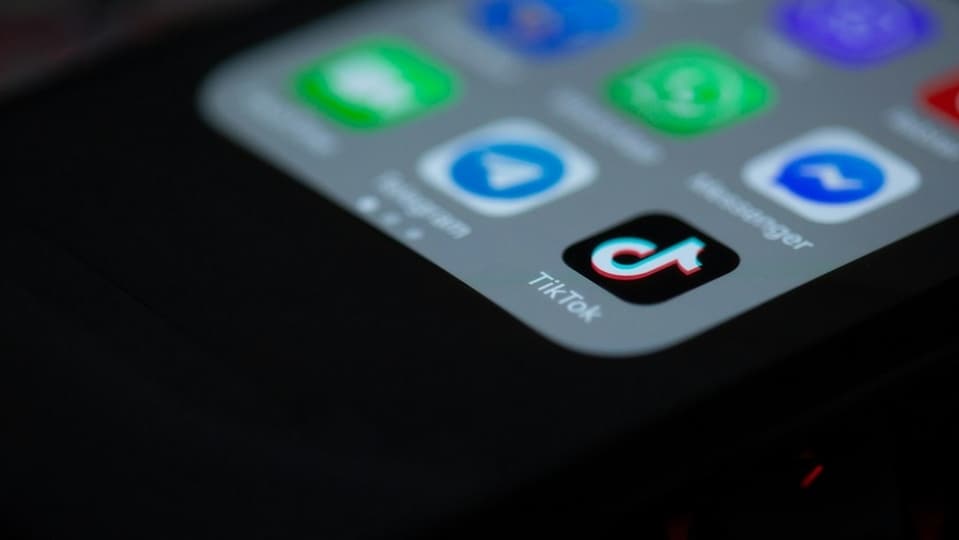
The youth had just turned 14 when the offences took place in 2024, and he told the court that he was first exposed to the extremist content on TikTok, according to The Guardian.
In sentencing remarks, Justice Stephen Campbell explained that the teenager subsequently progressed to content concerning the September 11, 2001 attacks, the ensuing war on terror, and religious-themed material. This content eventually led him to increasingly violent material and direct online discussions with others.
Justice Stephen Campbell, in the decision, noted that the boy initially watched historical material touching on political themes, crusaders, and past "empires," the report added.
Campbell also explained that the teenager subsequently progressed to content concerning the September 11, 2001 events and the ensuing war on terror. Eventually, the boy progressed to watching religious-themed videos and online discussions with others.
The boy reportedly told the court he wanted to impress the individuals online and said that he became "brainwashed by propaganda" when he began looking at bomb-making videos on YouTube. He also admitted to becoming focused on the Sydney Opera House as a possible attack site.
However, Justice Campbell noted that the teen had no concrete plans and had obtained no materials to make a bomb, the report said.
The teenager used Telegram to find instructions for constructing a pressure cooker bomb and attempted to reach surviving Boston marathon bomber Dzhokhar Tsarnaev by email.
To aid his research, the boy said he used the AI chatbot ChatGPT. He asked the tool about Tsarnaev, asked whether inmates had access to news, and sought details on security arrangements at the Sydney Opera House, the finish line of the Sydney marathon, and where terrorists were held in New South Wales. There was no immediate comment on the same from OpenAI.
Generative AI for children
Generative AI has become central to digital experiences, shaping everything from online advertisements to how users seek information and even resolve their queries.
However, concerns associated with AI, including algorithmic bias and a lack of transparency in the working, remain equally relevant to generative AI, according to UNICEF's earlier report on 'Generative AI: Risks and opportunities for children.'
While the growing capabilities and widespread adoption of generative AI present opportunities, serious concerns have also been raised. "There are clear risks that the technology could be used by bad actors, or inadvertently cause harm or society-wide disruptions at the cost of children's well-being and future prospects," the UNICEF report stated.
Also Read | From Australia to Europe, countries move to curb children's social media access
Australia social media teen ban
A lawyer for the government told the top court earlier this month that Australia's teen social media ban was a modest, non-partisan and justified curb on political expression, Reuters reported.
Almost a year after the country banned large social media platforms from allowing children under 16 to hold accounts, messaging platform Reddit and a libertarian advocacy group have sought to invalidate the law on grounds that it violates constitutionally protected speech, the report said.
(with inputs from agencies)


