
 E-Paper


Epstein files: Less than 1% of documents made public by DOJ so far, Pam Bondi reveals reason behind slow release
Less than 1% of the Epstein files have been made public, with only 12,285 documents having been released.

 Prefer HTon Google


Less than 1% of the alleged Epstein files have been made public by the Department of Justice, according to a court document. The government acknowledged that, despite a federal law mandating the publication of the great majority of data pertaining to the infamous financier and sex trafficker Jeffrey Epstein by December 19th, just 12,285 documents of the 125,575 pages have been disclosed thus far.
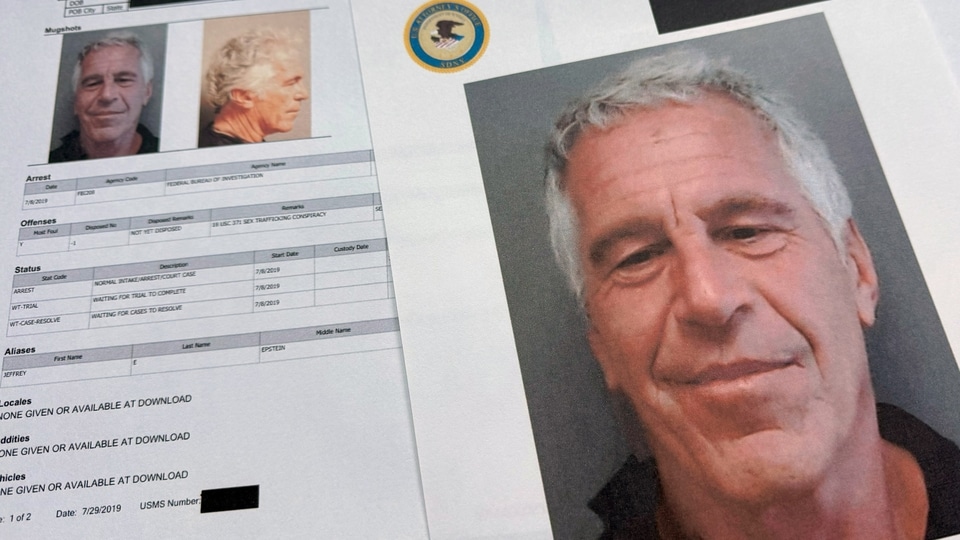
In order to comply with the Epstein Files Transparency Act, which Congress approved in late 2025, the agency added that it is hiring hundreds of attorneys and FBI experts.
Attorney General Pam Bondi and Deputy Attorney General Todd Blanche stated that the reason for the slower-than-anticipated release was the difficulty of examining extensive materials and sensitive victim information, which necessitates redaction and verification before publishing.
Read more: Dems say Maduro captured when DOJ was set to explain Epstein files redactions
Judicial deadlines missed, Democrats build pressure
Despite Bondi's explanation, Democrats are still pressing the Justice Department over the release of the documents.
Chuck Schumer, the Senate minority leader, said in a post on social media on Monday, “What are they trying to hide? It’s been 17 DAYS since the Trump DOJ first broke the law and failed to release all the Epstein files. It’s been 14 DAYS since Trump’s DOJ released anything at all – with the DOJ doing everything in its power to delay and obfuscate.”
Read more: US justice department reveals the timeline of release for Epstein files
What has been released so far?
The Justice Department’s limited releases have included documents stemming from investigations into Epstein. The files shared so far encompass photos, interviews, call logs and other investigative records.
However, the files released on December 19 are heavily redacted to “protect victim identities and other sensitive content.”
The most recent DOJ submission to the Southern District of New York states that department teams from several offices are still reviewing over 2 million records that may be relevant under the Transparency Act.
The DOJ stated in a letter that there is still a lot of work to be done and that cautious redaction is necessary to protect victims and adhere to legal requirements, but they have not given a specific date for the full release.


