E-Paper


Government shutdown: What happens after federal funding is cut off?
If federal funding runs out, a government shutdown could halt paychecks, close services, and delay crucial economic data.

 Prefer HTon Google


The Trump administration is warning that federal employees could be fired, not just furloughed, if the government shuts down on October 1. The threat comes as House Democrats gather for a closed-door caucus meeting on the funding deadline. Congress has until Tuesday to keep the government open. If it misses the deadline, agencies will start shutting doors, workers will lose paychecks, and key economic data will grind to a halt, CNBC reported.
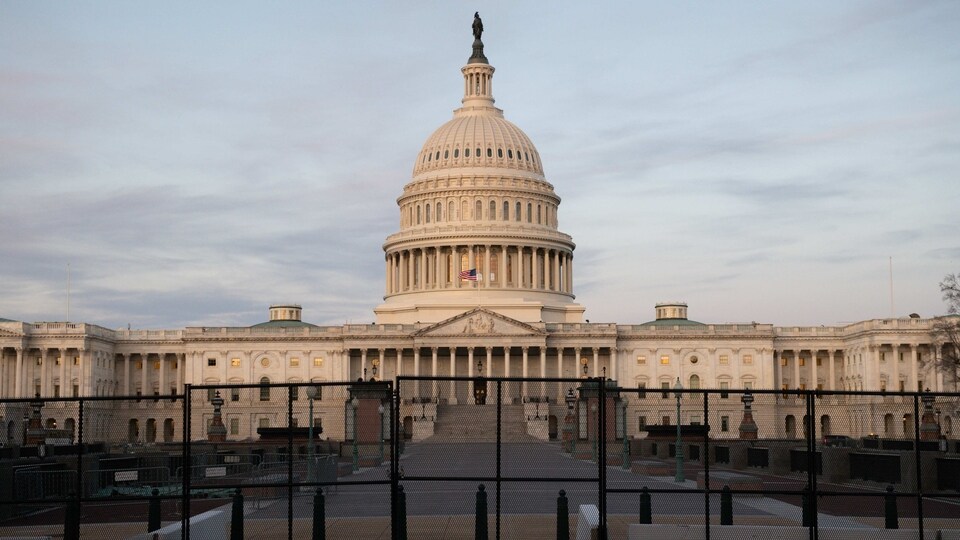
Republicans are pushing a temporary funding bill without policy riders. On the other hand, the Democrats want to attach health care protections, including an extension of Affordable Care Act tax credits set to expire this year. With the Senate requiring 60 votes, neither side has the numbers alone. President Donald Trump has pulled out of talks with Democratic leaders, while his budget office told agencies to prepare for furloughs.
Workers face immediate fallout
According to CNBC, more than two million civilian federal employees could feel the impact. Non-essential staff would be sent home without pay, while essential workers-like those in national security and air traffic control-must work with no guarantee of timely paychecks. During the 2013 shutdown, around 850,000 employees were furloughed. Contractors, unlike government staff, rarely get reimbursed.
Services and programs disrupted
Shutdowns mostly hit programs funded by discretionary spending. That means national parks will be closed, immigration hearings will stall, and museums will be shut. Health inspections and veterans’ services may also face cuts. Social Security and Medicare will continue, but offices may run on skeleton crews, slowing down new applications and services.
Also Read: Government shutdown: When was the last time federal funding was cut off? Complete timeline
Economic data on ice
Markets depend on the government’s regular economic reports. CNBC noted that during the last full shutdown in 2013, jobs and inflation data were delayed by weeks. A partial shutdown in 2018 pushed back GDP, retail sales, and income numbers. The Bureau of Labor Statistics is set to release its September jobs report on October 3 and its Consumer Price Index reading on October 15. Both could be delayed if Congress fails to act, reports CNBC.
The shutdown fight has played out 14 times since 1980. Each round hits workers, services, and data. This one looks no different, except for the political stakes attached.
FAQs
When does the government shut down?
If Congress does not pass a funding bill by Tuesday, operations will start shutting down.
Who gets furloughed?
Non-essential government employees are sent home without pay until funding resumes.
Which services close first?
National parks, museums, immigration courts, and some health inspections shut down.
Do Social Security checks still go out?
Yes, though offices may cut staff and slow services.
How often have shutdowns happened?
The US has seen 14 shutdowns since 1980.