E-Paper


In 2022, Louisiana backed a plan to reconnect the Mississippi River to its sinking coast and rebuild more than 13,000 acres of wetlands
A large-scale Louisiana project would steer Mississippi River sediment into the Barataria Basin to rebuild wetlands, but it comes with real tradeoffs.

 Prefer HTon Google


Imagine rebuilding a coastal shoreline by bringing back the river that helped form it. That idea underpinned the Mid-Barataria Sediment Diversion, a project emphasized by the U.S. Department of the Interior in September 2022, when Louisiana restoration trustees released the final restoration plan. Rather than keeping the Mississippi River separated from the Barataria Basin, the proposal called for reconnecting the river to the estuary through a controlled diversion.

The plan called for a controlled release of river water and sediment into the Barataria Basin. The sediment was expected to help build or sustain an estimated 13,000-plus acres of wetlands, or about 20 square miles, roughly the size of Breton National Wildlife Refuge. At the time, Interior described the project as a first-of-its-kind effort and one of the largest and most innovative coastal habitat restoration projects in the country. The project later received federal permits in December 2022, secured construction funding in early 2023, and officially broke ground in August 2023.
Why this area of the coast needs help
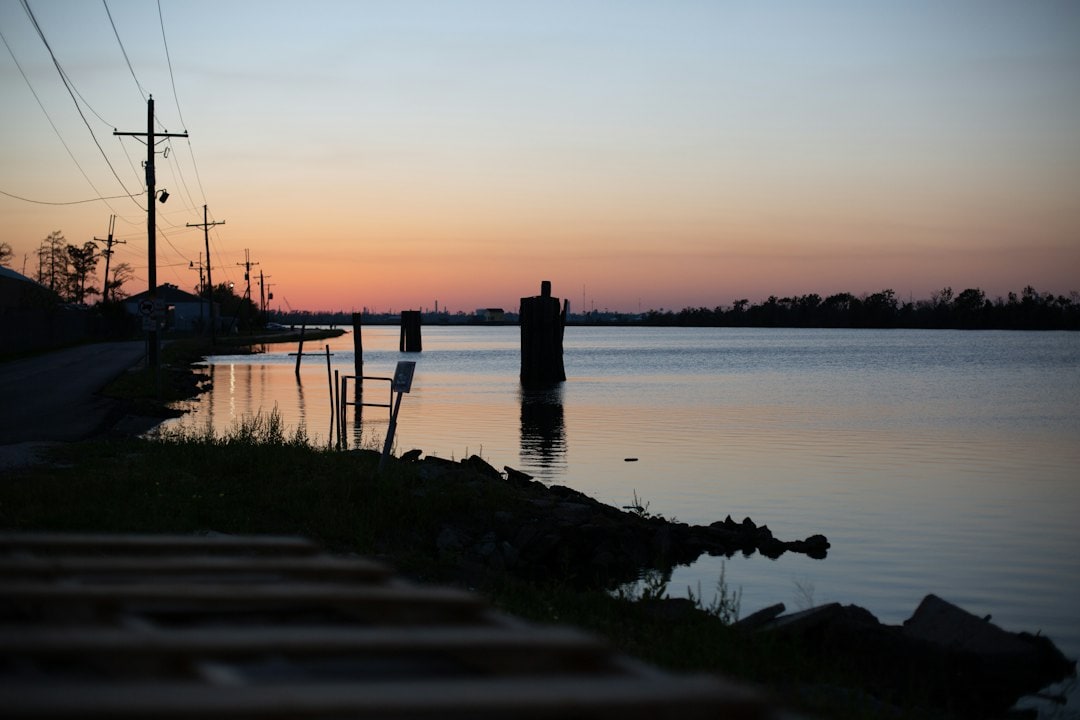
Wetlands do a lot of work behind the scenes. They provide foraging, nursery, and nesting habitat for hundreds of species, help protect communities and infrastructure from storms, and support fisheries in the Gulf. The Deepwater Horizon oil spill, the largest oil spill in U.S. history, heavily affected the Barataria Basin wetlands and accelerated an already serious land-loss problem. Rising sea levels, sinking land, and increasing saltwater exposure have added further pressure on the fish, wildlife, and communities that depend on the estuary.
That decline was not an overnight process. Before recommending the project, trustees evaluated six diversion alternatives, considered extensive public input on a draft proposal released in March 2021, and participated in the U.S. Army Corps of Engineers' environmental review. By December 2022, the Army Corps had approved the permits and permissions needed to build and operate the diversion. Funding followed in 2023, allowing construction to begin that August.
But the project's timeline ultimately changed. In July 2025, the Louisiana Coastal Protection and Restoration Authority and the Louisiana Trustee Implementation Group announced that the Mid-Barataria project would be terminated. In July 2025, Louisiana and the Louisiana Trustee Implementation Group agreed to terminate the project after CPRA determined it was no longer viable, citing the suspension of a federal permit by the U.S. Army Corps of Engineers and ongoing litigation. The project's authorized budget was subsequently reduced from $2.26 billion to $618.52 million, with unused funds available for future Deepwater Horizon restoration work in Louisiana.
The science, trade-offs, and cost
The executive summary of the 2022 final restoration plan explains the science behind the original recommendation. The Deepwater Horizon spill affected more than 1,100 kilometers, or about 680 miles, of wetlands, most of them in coastal Louisiana. In heavily oiled parts of the Barataria Basin, marsh-loss rates doubled or tripled. The proposed diversion was designed to use the Mississippi River's sediment-rich water to restore some of the natural land-building processes that once helped sustain the delta.
The design was not simply based on sending as much freshwater into the basin as possible. Project planning focused on timing and controlling the diversion to deliver sediment while limiting the amount of freshwater entering the receiving basin. Under the original modeling, a diversion with a capacity of 75,000 cubic feet per second was expected, over 50 years, to produce or preserve more than 20% of the marshes in the basin. Species expected to benefit included red drum, largemouth bass, blue crab, white shrimp, Gulf menhaden, and migratory waterfowl.
The same plan was also upfront about the project's downsides. Large diversions were expected to reduce salinity in parts of the basin, affecting species that favor saltier conditions, including dolphins, brown shrimp, and oysters. Flooding patterns were also expected to change. Communities north of the structure were projected to see less storm surge, while some areas to the south, from Myrtle Grove to Grand Bayou, could experience longer and stronger tidal flooding during the first several decades. After weighing those effects, trustees selected the 75,000-cubic-feet-per-second design over a 50,000 version that offered substantially fewer benefits and a 150,000 version whose impacts were considered unacceptable.
Cost and community response were also central to the original plan. The trustees' fact sheet listed $2.26 billion in natural-resource-damage-assessment funding for planning, mitigation, monitoring, and construction, with the Louisiana Coastal Protection and Restoration Authority responsible for securing additional money if needed. Public comment on the draft produced submissions from more than 140 organizations, about 700 unique comments, and roughly 40,000 total comments. The final plan increased mitigation and stewardship funding to $378 million. The project subsequently received the full $2.26 billion construction allocation in February 2023, followed by an additional $660 million from the National Fish and Wildlife Foundation, before construction began in August.
Revitalizing the delta was never going to happen overnight, and the Mid-Barataria project showed why large-scale coastal restoration involves difficult trade-offs. The original plan sought to use the Mississippi River's sediment to rebuild wetlands while managing the effects of freshwater, flooding, and changing salinity. Although the project moved from planning to permitted construction in 2023, its future changed in 2025 when Louisiana terminated the project over cost, permitting, and litigation concerns. The state's broader effort to restore the disappearing coast continues through other sediment, marsh-creation, and coastal-protection projects.