E-Paper


Missouri eyes nuclear expansion in decades: What does it mean for residents?
Missouri leaders advocate for nuclear energy expansion to meet rising electricity demands from data centers. Experts question the necessity and feasibility.

 Prefer HTon Google


Missouri residents could end up footing the bill for a major expansion in nuclear energy, and on Thursday, state and national leaders explained why they believe it's necessary, according to a 5 On Your Side report.
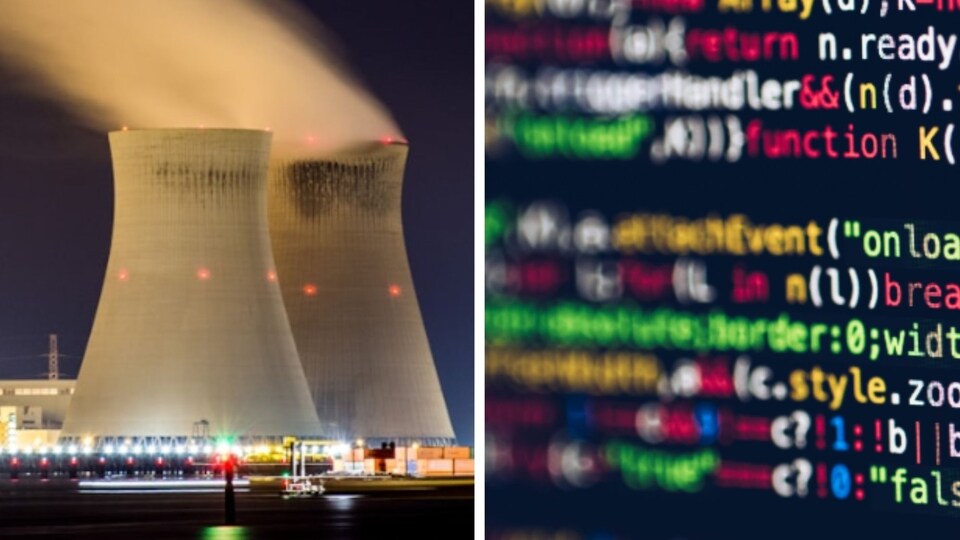
Supporters of nuclear power filled the Missouri Theatre in Columbia after the state was picked as one of seven to host a national Nuclear Summit. The event, organized by the National Governors Association and the US Department of Energy, aimed to spark discussions about building new nuclear projects in Missouri.
Most speakers shared the same reason: growing electricity demand from data centers could strain the power grid unless new energy sources like nuclear are added. But critics say there’s no solid proof tech companies will even come to Missouri.
Why build more nuclear plants now?
Missouri already has one nuclear power plant in Callaway County, running for over 40 years. But Doug True, a senior VP and chief nuclear officer at the Nuclear Energy Institute, said it’s not enough as electricity use is expected to jump, especially with artificial intelligence on the rise.
"If you ask an AI chatbot to show you a picture of your dog driving a car, that takes about 1,000 times more energy (than a Google search) and it's enough energy to keep a lightbulb on for 20 minutes," True said. “Now think about all the people going to ChatGPT and just playing around. Every time they do that, they're requiring that much energy,” as reported by 5 On Your Side.
A recent Department of Energy report backed this up, saying AI data centers will need more power, and the energy grid has to grow with them. The International Energy Agency said AI centers could more than double global energy needs by 2030. True also pointed out that while energy use stayed flat for about ten years, it's now expected to climb fast.
Missouri is already seeing signs of this shift. A large data center planned for St. Charles just got partial local approval. Joe Alexander, chief of staff for the Department of Economic Development, said he was contacted by a company interested in building an AI data center in Columbia—but he didn’t name the company.
Experts told 5 On Your Side that while national forecasts for rising energy demand seem solid, predicting it at the state level is much less certain.
Keeping information about these projects secret is common. Just like Alexander didn’t name the company, Ameren Missouri redacted the names of two supposed data centers in their request to build a methane plant near St. Louis. That’s partly because companies often back out before construction and go to another state.
Are companies looking to eliminate Missouri?
Missouri has already missed out on several data centers, said Subash Alias, CEO of Missouri Partnership.
"(Data center) companies are not looking to select Missouri, they're looking to eliminate Missouri," Alias said. "These companies are eliminating regions and states quickly, based on certain factors. If you have what they're looking for, that doesn't mean you're going to advance; it just means you won't be eliminated."
Alias explained that Missouri often isn’t ready to meet data center demands but still tries to win deals, hoping other states fall out. He also said the state sometimes bets on the idea that companies won’t be good negotiators and will extend deadlines.
What could nuclear power mean for the residents?
While Alias blamed Missouri’s lack of nuclear power for losing these deals, others pointed to the state’s lack of tax breaks and incentives for data centers—something other states do offer.
Even with the possible St. Charles project, the company’s name hasn't been released. James Owen, Executive Director of Renew Missouri, said, “There's a belief that 'If we build it, they will come,' but there are a lot of other states with incentives for data centers that Missouri doesn't have. There's absolutely no guarantee that this is going to happen.”
Jonathan Kim, a research associate at the Energy and Policy Institute, said there’s no clear plan for what happens if data centers cancel after energy projects are already underway. That means every day, residents could be stuck paying for energy they don’t use.
"The biggest risk here, and something that cannot have enough caution taken around it, is the risk of building new generation for this new energy load, and the load not showing up," Kim said. “If that happens, it's all the existing ratepayers that are footing the bill for something they didn't need and is ungodly expensive.”
One big piece left out of the Summit: many tech companies are skipping states' energy grids altogether and just building their own energy sources on-site.
Also Read: US judge blocks Missouri rule curbing socially-conscious investing
Meta is planning to build its own nuclear generators
Meta, the company behind Facebook and Instagram, is planning to build its own nuclear generators for a data center in Illinois. In Texas, some centers are building gas plants to power themselves. The proposed St. Charles data center has also talked about building its own generator, but details are still unclear.
On-site generation would ease pressure on state power grids and save residents from paying for new plants. But there’s a catch. Private power plants might dodge state rules or change how energy regulation works, plus they need new infrastructure and might create problems for people who live nearby.
"There are standard rules about how maintenance and upgrade costs are shared and allocated. But the situation is totally changed by the presence of a new data center," MIT said. "As a result, utilities now need to rethink their traditional rate structures so as not to place an undue burden on residents to pay for the infrastructure changes needed to host data centers."