
 E-Paper


What are the symptoms of BA.3.2 ‘Cicada,’ the new COVID variant spreading across the US?
The BA.3.2 Covid-19 subvariant, also called Cicada, is spreading across US. No immediate panic is advised. Here's everything about symptoms and precautions

 Prefer HTon Google


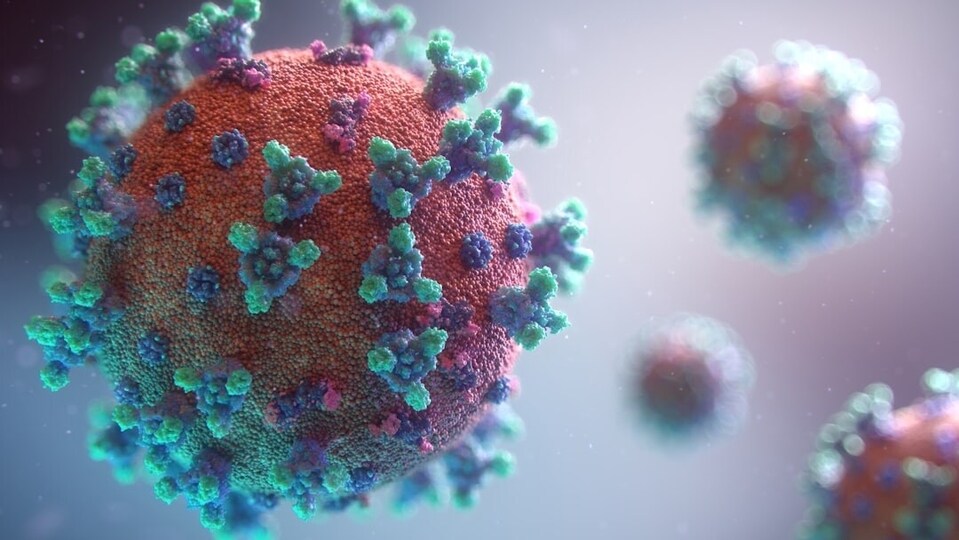
A Covid-19 subvariant known as BA.3.2, also named “Cicada”, is rapidly spreading across the United States. The US Centers for Disease Control and Prevention (CDC) reports that it has been observed in 25 states and is currently on the rise nationwide.
Read more: Highly mutated BA.3.2 'Cicada' COVID variant hits 25 US states: See full list
What is the BA.3.2 Cicada variant?
The BA.3.2 variant was first identified in South Africa in late 2024 and began spreading more widely in 2025, with cases now reported in over 20 countries, according to the New York Post.
The omicron variety, which first appeared in late 2021, is the ancestor of BA.3.2. Reports suggest the variant carries about 70–75 mutations in its spike protein, causing a worrying strain on citizens.
However, a doctor told The Independent that there is no immediate cause for panic. As of now, there is no indication that this variety is any more harmful or causes a more serious illness than the ones prevalent during the winter of 2025–2026.
However, the current COVID-19 vaccines may not be as effective against it, per the doctor, because of the multiple mutations.
Additionally, the spike protein is the portion of the virus that vaccines use to induce immune system recognition, the Independent reported.
The current COVID-19 vaccines are designed to protect against JN strains. Since January 2024, it has been the most prevalent strain of the virus in the United States that belongs to the same lineage.
Symptoms of Cicada: What to watch out for?
Health experts say symptoms of the BA.3.2 Cicada variant are largely similar to earlier Omicron strains, with no new or unusual signs reported so far.
The common symptoms include:
- Sore Throat
- Dry Cough
- Fatigue and body aches
- Fever and chills
- Headache
Some patients may also experience mild breathing difficulty or gastrointestinal symptoms such as nausea, according to the CDC.
Doctors note that most cases appear mild to moderate, resembling flu-like illness, especially among vaccinated individuals.
What precautionary measures can you take?
To prevent contracting or transmitting COVID-19, people can take these precautions that were made aware during the COVID-19 spread by the CDC:
- Wash your hands before eating any food or after being in contact with a sick person.
- If you experience the above-mentioned symptoms, take a day off, stay home and take good care of yourself to avoid spreading the virus further.
- If the symptoms persist, contact your doctor or physician to get specific advice for your conditions.


