
 E-Paper



Ultimatums don't work with Russia: Moscow jabs US on arms control
The United States said this week that it would stop providing Russia some notifications required under the treaty.

 Prefer HTon Google


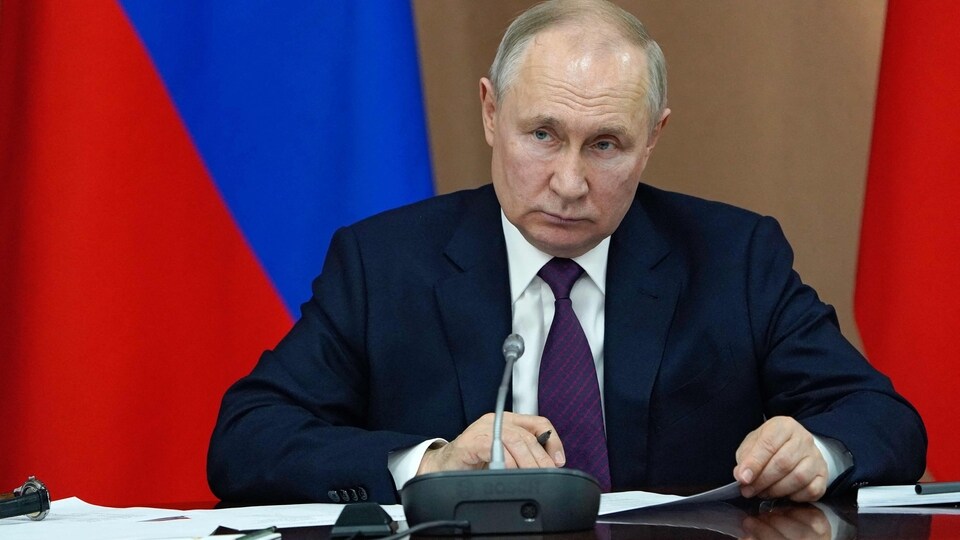
Russia warned the United States that it should stop brandishing ultimatums over the collapse of arms control agreements. Moscow would only return to a nuclear arms reduction treaty if US abandons its hostile stance, Russia's deputy foreign minister Sergei Ryabkov said. This comes as Russian president Vladimir Putin announced in February that Russia was suspending participation in the New START treaty- signed in 2010 that limits the number of Russian and US deployed strategic nuclear warheads.
Read more: What's on Rishi Sunak's to-do list? A global artificial intelligence watchdog
What Sergei Ryabkov said on arms control?
Russia's point man for arms control Sergei Ryabkov said that Washington had informed Moscow about the move ahead of going public with it so it was no surprise. But the pillars of arms control were collapsing and were in a "semi-lethal" condition due to the hostile policies of the United States, he said.
“Talking to the Russian Federation in the language of ultimatums just does not work. Through the fault of the United States, many elements of the former architecture in this area have either been completely destroyed or moved in a semi-lethal state,” he said.
What has the United States said?
The United States said this week that it would stop providing Russia some notifications required under the treaty. These will include updates on its missile and launcher locations. US national security adviser Jake Sullivan said that Washington is eager to begin discussions with Russia on a strategic arms limitation pact to replace New START.
What is the new START treaty?
The New START Treaty was struck in 2011 following which the United States and Russia were obliged to limit deployed intercontinental ballistic missiles, submarine-launched ballistic missiles and heavy bombers equipped for nuclear armaments. It also put limits on nuclear warheads on those deployed missiles and bombers and the launchers for those missiles. In 2018, the treaty was extended to 2026.


