
 E-Paper



World’s spookiest campus? 7,000 bodies may be buried under US university
The bodies are the legacies of an era in which a mental asylum stood where UMMC now is. The “Insane Asylum” was the state’s first and operated until 1935.

 Prefer HTon Google


Welcome to the University of Mississippi Medical Center (UMMC), where everyone knows where all the bodies are buried.
Right under your feet.
According to a report in The Clarion-Ledger, experts estimate around 7,000 bodies could be buried under the campus of the US university, legacies of an era in which a mental asylum stood where UMMC now is. The “Insane Asylum” was the state’s first and operated until 1935. Of the 1,376 patients admitted to the institution between 1855 and 1877, the newspaper reported, more than one in five died.
Perhaps they were soon forgotten, but decades later, what was left of them began to pop up in the lives of students and academics working above them, and cause quite a stir.
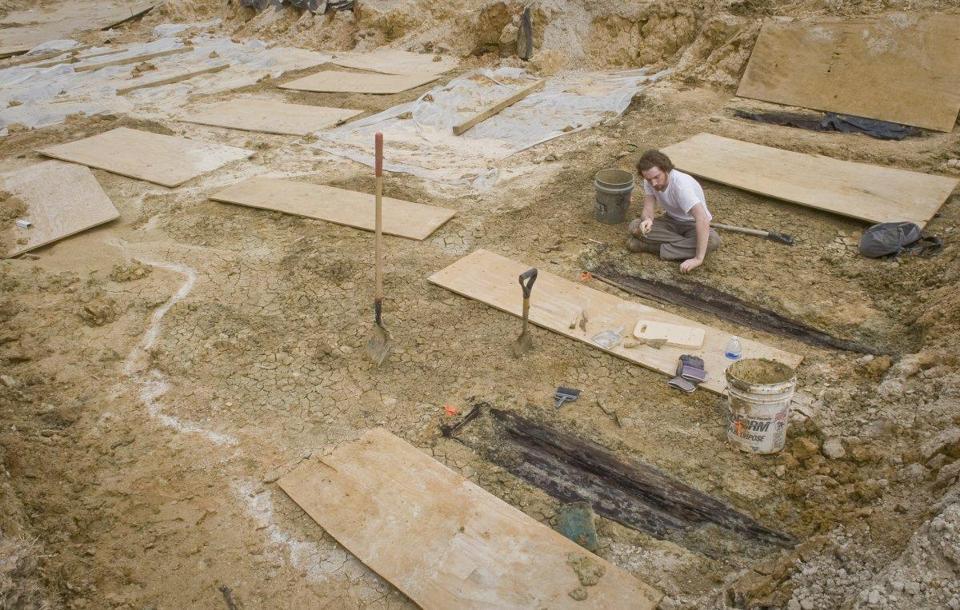
In 2013, 66 coffins were found during the construction of a road in the campus. The next year, more renovation activities unearthed a thousand more of the spooky finds.
What was the university to do with these?
According to the report, exhuming and burying each body would cost $3,000, which would add up to a staggering total of up to $21 million.
Which is why UMMC considered a different approach - handling the exhumations in-house, and preserving the remains with a visitors’ centre and a lab that could be used to study the remains as well as the remnants of clothing and coffins, the newspaper said.
According to the report, Dr Ralph Didlake, who oversees UMMC’s Center for Bioethics and Medical Humanities, believes the lab would be the first of its kind in the nation — giving researchers insight into life in the asylum in the 1800s and early 1900s. “We have inherited these patients,” the newspaper quoted him as saying. “We want to show them care and respectful management.”


