
 E-Paper



Syria govt, Russia making ‘extensive’ use of cluster munitions: HRW
Human Rights Watch has charged the Syrian government’s forces and their Russian allies with making “extensive” use of cluster munitions against rebel groups since late September.


Human Rights Watch has charged the Syrian government’s forces and their Russian allies with making “extensive” use of cluster munitions against rebel groups since late September.
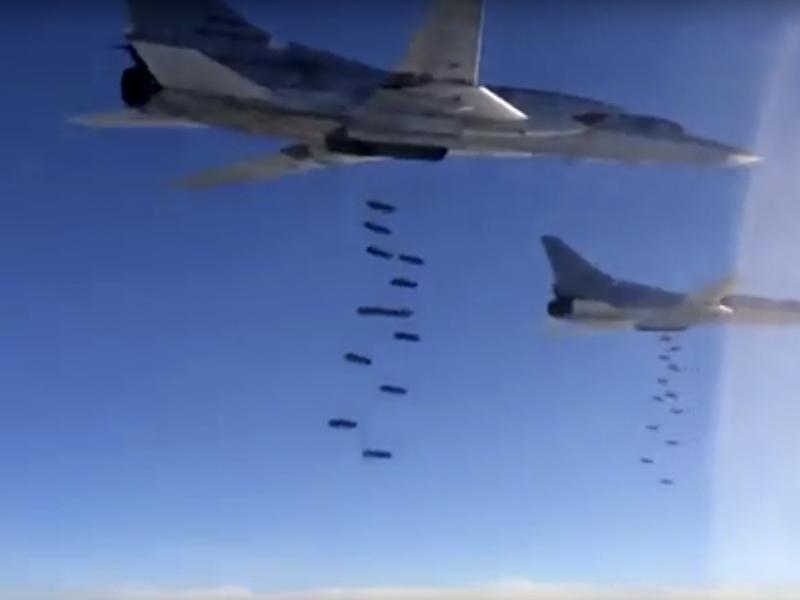
The New York-based rights watchdog said in a report released on Sunday that it had documented the use of cluster munitions on 20 occasions since Russian and Syrian forces launched their assault on September 30.
HRW “collected detailed information about attacks in nine locations that have killed at least 35 civilians, including five women and 17 children, and injured dozens”, the report said.
All the bombs were either made in Russia or the former Soviet Union, the rights group said.
“Syria’s promises on indiscriminate weapons ring hollow when cluster munitions keep hitting civilians in many parts of the country,” Ole Solvang, a senior researcher in the human rights watchdog’s emergencies devision, said in the report.
Solvang urged the UN to “get serious about its commitment to protect Syria’s civilians by publicly demanding that all sides stop the use of cluster munitions”.
Cluster munitions contain dozens or hundreds of bomblets and are fired in rockets or dropped from the air.
Widely banned, they spread explosives over large areas and are indiscriminate in nature, often continuing to maim and kill long after the initial attack when previously unexploded bomblets detonate.
Russia launched an aerial bombing campaign against opponents of President Bashar al-Assad on September 30.
More than 250,000 people have been killed since Syria’s conflict erupted in March 2011, and millions more have fled their homes.


