
 E-Paper



This 32-yr-old Maoist could be mastermind of Sukma ambush that killed 25 of CRPF
Madvi Hidma, who heads the first military battalion of the CPI (Maoist), likely planned and executed the ambush on the group of CRPF personnel in south Sukma on Monday

 Prefer HTon Google


A 32-year-old battle-hardened Maoist commander has emerged as the likely mastermind behind the massacre of 25 CRPF troopers in Chhattishgarh, police said on Wednesday, as the focus shifted to repeated intelligence failures that have led to severe losses for security forces battling rebels in the hotbed of Left-wing insurgency.
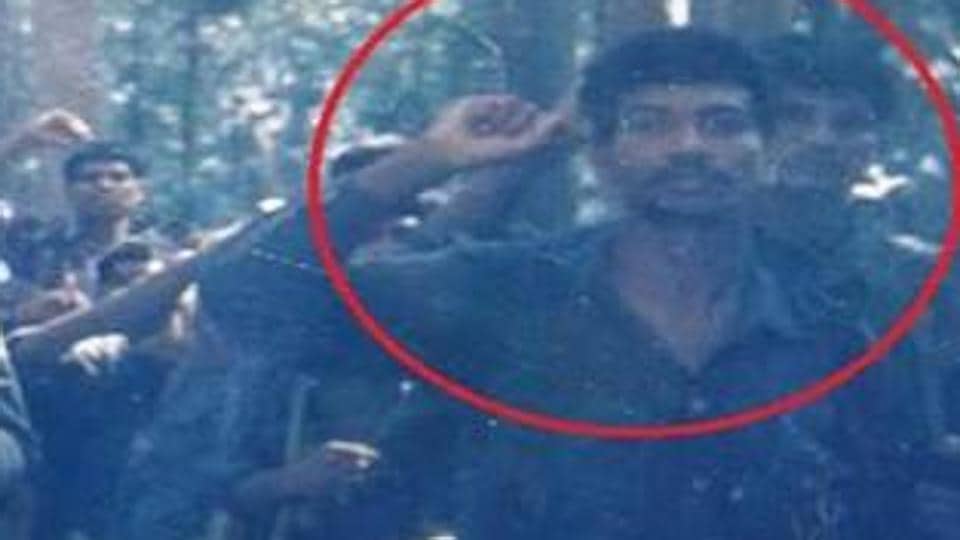
Madvi Hidma, who heads the first military battalion of the CPI (Maoist), likely planned and executed the ambush on the group of CRPF personnel in south Sukma on Monday, police said. Six other jawans were also injured in the Maoist attack, the worst on security personnel since 2010 when 75 CRPF soldiers were killed in Dantewada.
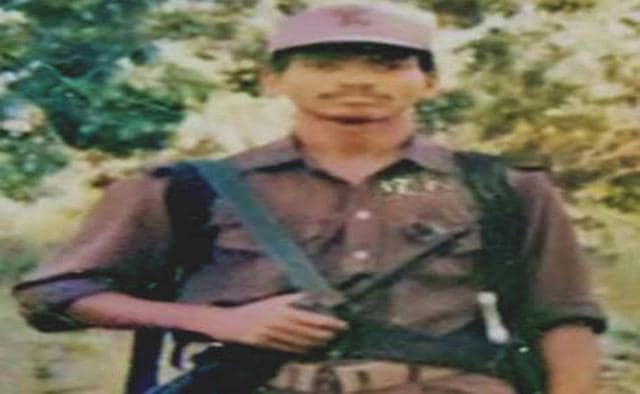
Hidma, also known as Hidmalu and Santosh, is also believed to have been behind another deadly attack on March 11 that killed 12 security personnel.
Considered one of the most dreaded Maoist leaders in Bastar, the hotbed of Maoist insurgency in the country, Hidma was born in Purvati village of south Sukma. His area of operation comprises south Sukma, Dantewada and Bijapur.
Though diminutive in physique, he has built up a reputation for himself as a ruthless rebel leader who runs a network of dedicated informers across the region, police officials said.
Police officials scouring the site of Monday’s attack for leads said information received so far linked Hidma to almost all big attacks on security forces in Sukma since 2013. “He mostly coordinates with the local area commanders and sangham sadasyas (outfit members) and for many of them he is like god,” an official said.
The Maoists, who claim to be fighting for land rights of marginalised tribal communities, are active across 10 states and Chhattisgarh is seen as one of its last remaining strongholds.
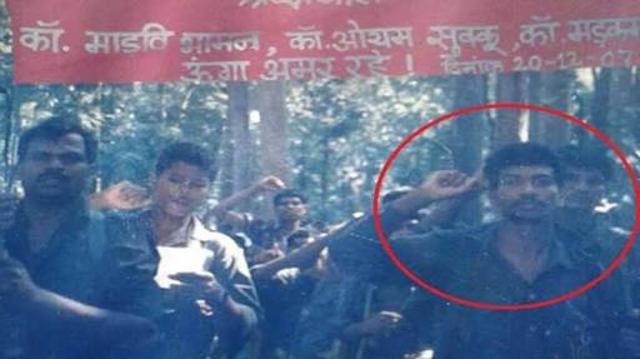
“He has sadly become a role model for many young recruits,” he added.
Hidma is also known to be a shadowy figure who avoids media glare. A journalist who claimed to have met him several years ago said he came across someone who was determinedly reticent.
Hidma’s inner circle consists of heavily-armed youths, mostly his childhood friends.
Besides seeking to pick up Hidma’s trail, police officials are also trying to find answers to repeated intelligence failures leading to such deadly attacks.
Officials said local Maoists had the benefit of intimate knowledge about Bastar’s difficult terrain. The fear of retribution by the Maoists also forced most villagers to clamp up, depriving security agencies of much-needed information on the insurgents.
“In the last 20 years, the Maoists have been pushed into a tight area and now that has become their core. Most of the families living in the area are under their influence and almost one person from each family is in their army,” said a senior officer.
Information on Maoist movements and plans has got increasingly scarce. Two months ago, Maoists killed Mandavi Dulha, the village head of Burakpal on the suspicion of being a police spy and other villagers have shut up since then.
“There undoubtedly has been an intelligence failure this time. We suffer from lack of information in this region,” admitted a senior cop in the state capital Raipur. “We have no support from the villagers. Most Maoists are locals and villagers have an emotional connect with them,” explained another.
Officials also pointed to the tough challenge of keeping pace with the fleet-footed Maoists. “Actually about a dozen Maoists continuously roam in this region and assemble with local units at short notice to mount an ambush. It is difficult ascertain their movements and plans,” the official said.
Tuesday’s ambush showed the degree of dangers lurking in Bastar’s forests for the security forces. Some 150-odd Maoists lay in wait for the CRPF patrol and none had any clue. The Maoists melted into the deep forests immediately after the attack, leaving security agencies looking for answers.
-kW0H-U20214218012MgB-250x250%40HT-Web.jpg)


