
 E-Paper



Masks and costumes bring alive a 1400-year old tradition in Macedonia
Revellers participate in a parade on the street during a carnival in Vevcani, Macedonia, January 13, 2016. Vevcani village marks the annual Orthodox St. Vasilij (Basil) Day with a carnival that features a 1,400-year-old celebration with pagan roots. (REUTERS)
Updated on: Jan 14, 2016 7:39 PM IST


Share via


Copy link

1/7
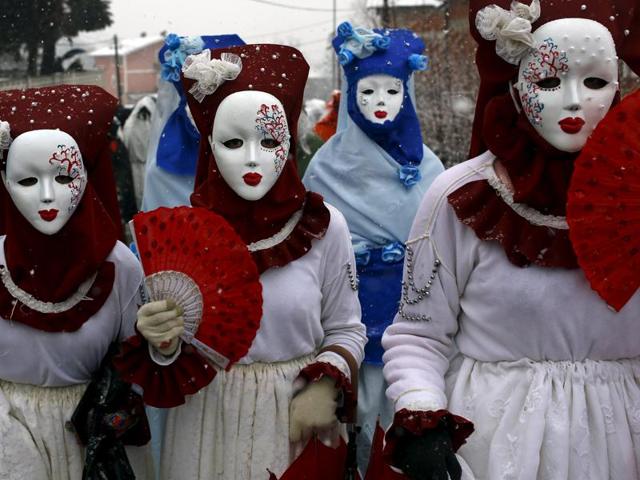
Updated on Jan 14, 2016 7:39 PM
Revellers participate in a parade on the street during a carnival in Vevcani, Macedonia, January 13, 2016. Vevcani village marks the annual Orthodox St. Vasilij (Basil) Day with a carnival that features a 1,400-year-old celebration with pagan roots. (REUTERS)
2/7
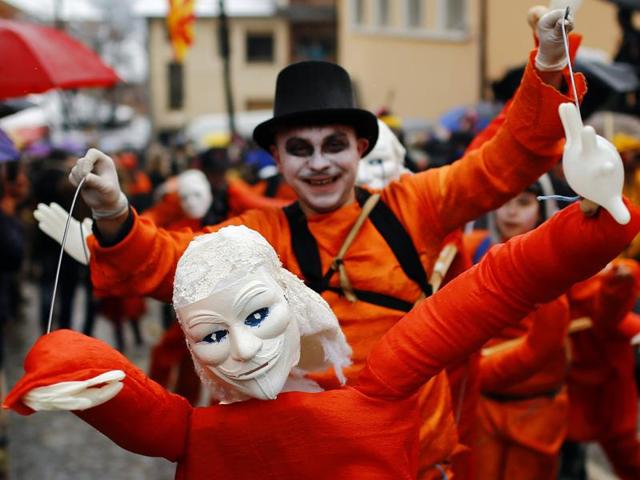
Updated on Jan 14, 2016 7:39 PM
The highlights include a political satire where masked villagers act out current events. It is one of the most famous village festivals in the Balkans. Revellers participate in a parade on the street during Vevcani carnival. (REUTERS)
3/7

Updated on Jan 14, 2016 7:39 PM
A masked reveller participates in the carnival in Vevcani. Held on St. Basil’s Day, it marks the beginning of the New Year by the Julian calendar. (AP)
4/7

Updated on Jan 14, 2016 7:39 PM
A young woman wearing a costume walks in the carnival on Wednesday. The festival has its roots in the pre-Christian beliefs and rituals of the region. (AP)
5/7

Updated on Jan 14, 2016 7:39 PM
Revellers participate in a parade on the street during the Vevcani carnival. In 1993, the Vevcani village and its carnival officially became a part of the World Federation of Carnival Cities. (REUTERS)
6/7
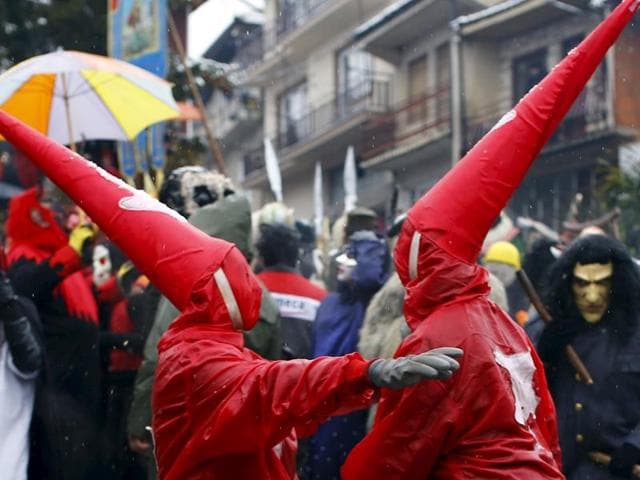
Updated on Jan 14, 2016 7:39 PM
Revellers participate in a parade on the street during a carnival in Vevcani. (REUTERS)
7/7
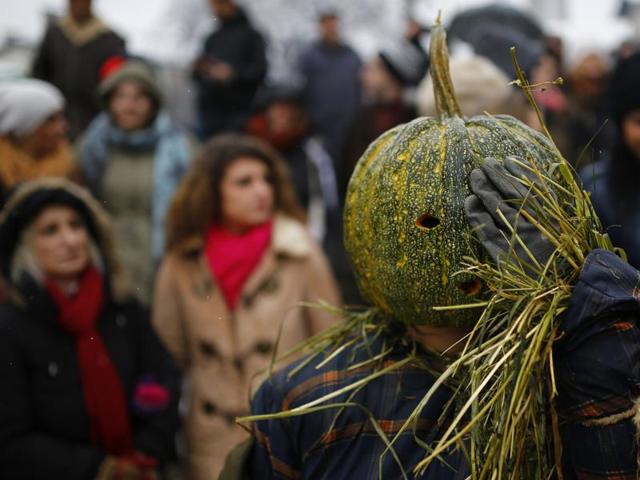
Updated on Jan 14, 2016 7:39 PM


