
 E-Paper



Energy, the secret sauce of successful politicians
The schedule of top political leaders is the kind of schedule that the CEOs of some large corporations are known to keep – with one difference. They have a weekend.

 Prefer HTon Google


Among the many characteristics of a successful politician is energy. This isn’t given as much credit as it should be. For instance, between 2004 and 2014, then prime minister Manmohan Singh displayed the kind of energy that you would not normally expect from a man of his age; he was 72 when he took office and 82 when he demitted it. One of the hardest working and busiest ministers of that government, till 2012 when he became president of India, was Pranab Mukherjee , whose work ethic is still spoken of with awe.
Two people who stand out among contemporary Indian leaders, for their sheer energy, are Andhra Pradesh chief minister, N Chandrababu Naidu, and Prime Minister, Narendra Modi. Of course, it helps that both are just about middle-aged when it comes to politicians — they are both 68. It isn’t rare for Naidu, who has currently embarked on a jet-setting exercise across India after having taken upon himself the mantle of uniting the opposition parties for the 2019 elections, to finish his work in Amaravati, then hop to New Delhi, landing late in the night, or after midnight, and immediately get into a huddle with his party’s representatives in the Capital.
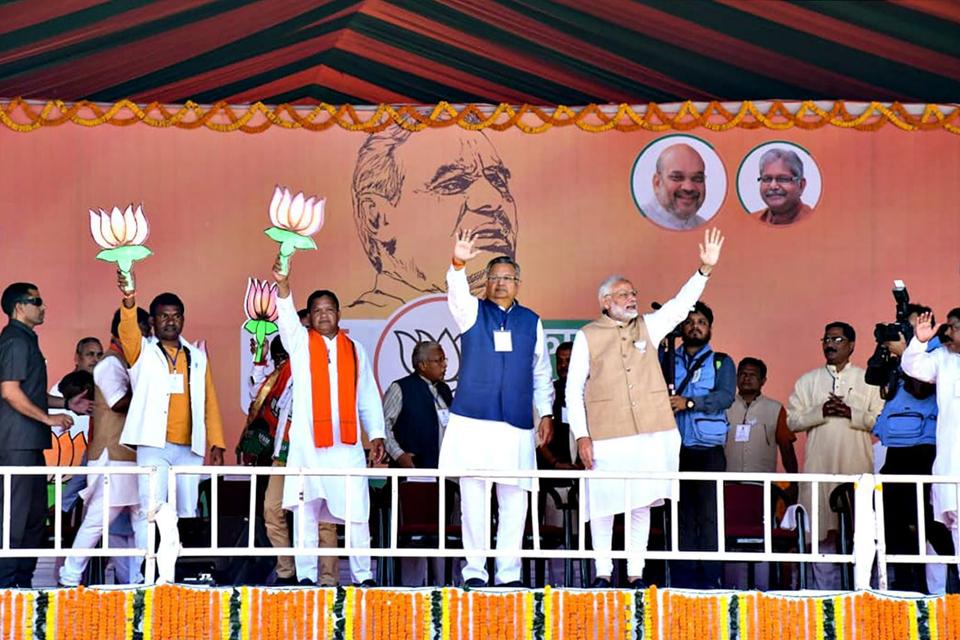
Prime Minister Modi’s energy, too, is legendary. For instance, one day this week, November 5, he started his day with an election rally in Bilaspur in pollbound Chhattisgarh. He then flew to Varanasi, his parliamentary constituency, where he inaugurated an inland water terminal (India’s first), an airport, and several other infrastructure projects. He also addressed a public meeting in the city. In the evening, the Prime Minister flew down to Bengaluru to pay his respects to a recently departed colleague, minister Ananth Kumar. He returned to the Capital at 1.30 on Tuesday morning and chaired a cabinet meeting at 9:30 am the following day. He left for Singapore on Tuesday night.
The schedule of top political leaders is the kind that the CEOs of some large corporations are known to keep — with one difference. They have a weekend. The concept of a weekend does not exist for most Indian politicians. When Parliament is in session, this is the only time elected representatives have for their constituencies which need to be nurtured — and this usually means meetings with constituents.
Top political leaders also campaign incessantly during election season (and in India, it’s almost always election season). Five states go to polls in November and December and the parliamentary elections are scheduled for April and May. Modi is a star campaigner for his party, for instance, and will end up spending a lot of time on the campaign trail in addition to his other responsibilities.
According to the Prime Minister’s Office, Modi has not taken a single day off since he assumed office in May 2014. To be sure, his schedule also means that his two private secretaries — Sanjeev Singla and Rajeev Topno — are constantly on the move with Principal Secretary, Nripendra Misra, holding fort and National Security Advisor, Ajit Doval, keeping an eye on national security, intelligence and military issues.
shishir.gupta@hindustantimes.com


