
 E-Paper



How DBT helps the poor during emergencies
There was a time when we struggled to distribute cash during emergencies even in a single city. Thanks to direct benefit transfer, we now have the capability to transfer cash to almost the entire country in no time

 Prefer HTon Google


On March 26, 2020, the government announced free gas refills for three months for Ujjwala beneficiaries who were facing economic challenges due to the coronavirus lockdown. The policy came into effect from April 1. From April 3, the government started transferring the subsidy money for the first cylinder into the bank accounts of 8.3 crore Ujjwala customers, at the rate of about one crore transfers per day.
Things were very different a few years ago. On January 26, 2001, a major earthquake, with its epicentre in Kutch, shook Gujarat, killing thousands, injuring and rendering homeless lakhs, and destroying crores worth of property.
Besides organising rescue operations, one of the first steps that the state administration took was to distribute cash relief. This was, as local officers told me when I joined the Gujarat State Disaster Management Authority (GSDMA) in Kutch, one of the most difficult tasks for them. Most people were not in a position to bring identity cards and address proofs. A large amount of cash had to be organised, with police deployment to manage the crowd.
The public servants involved in the cash distribution were worried: “How will I prove that I paid the cash dole to the eligible beneficiary, should an enquiry be made at a later date?” they wondered.
At one time, we struggled to distribute cash during emergencies in a single city. Now, we have, thanks to Direct Benefit Transfer (DBT), the capability to transfer money to almost the entire country in a matter of days.
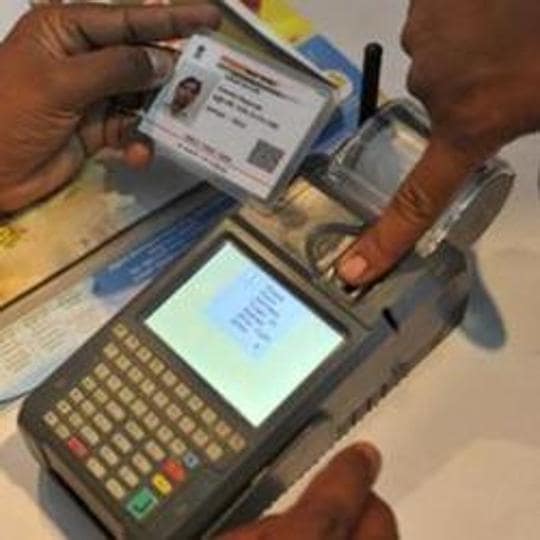
This has been possible because of Prime Minister Narendra Modi’s vision of JAM (Jan-Dhan, Aadhaar and Mobile), which enables a swift response in emergency conditions.
Today, more than 121 crore people have Aadhaar card and over 33 crore have Jan Dhan, the basic savings accounts in banks. Under PAHAL (Pratyaksh Hastantarit Labh), the world’s largest DBT scheme, about 25 crore LPG customers receive subsidy in their bank accounts.
In 2019-2020, DBT crossed Rs 2.5 lakh crore mark, in a total of 410 crore transactions. In short, the reach of an all-electronic, Aadhar-enabled, DBT is unmatched.
Then we have the benefit under the Pradhan Mantri Garib Kalyan Yojana for Ujjwala customers who receive about Rs 750, the average retail selling price of a cylinder. They also receive an SMS from their bank, updating them about the credit. Some may buy refills immediately, while others may use the money for food or other necessities. In times of uncertainty, people are the best judges of what they need. As the majority of the Pradhan Mantri Ujjwala Yojana customers use both LPG and other biomass-based fuels, they are in the best position to make adjustments at the household level.
Those who buy a refill will be issued an advance for the next refill in May and so on. Those who don’t buy a refill right away can come back later.
Some may not need to take out cash right away, but the knowledge that there is some money in the account will give them a sense of security.
This will be quick, without any leakage and allow the ministry of petroleum and natural gas and the oil marketing companies to focus on ensuring supplies, last-mile deliveries and concurrent feedback from the field.
Of course, the challenge of people being able to withdraw money without hassle while maintaining social distancing still remains. One hopes that the government and banks will provide due attention to this aspect as well.
Overall, DBT will provide some immediate support to poor families, allow the administration to focus on those who are for some reason left out, and address numerous other challenges that continue to unfold every day in the fight against Covid-19.
Nidhi Prabha Tewari is a senior social sector specialist (consultant) with PMUY and has previously worked in a few disaster recovery programmes in India
The views expressed are personal


