Sign in

From Siddharth to Buddha: Retracing the birth of a religion

Updated on: Nov 14, 2015, 12:55:12 IST
Hindustan Times | By , New Delhi
Share
Share via
  • facebook
  • twitter
  • linkedin
  • whatsapp
Copy link
  • copy link
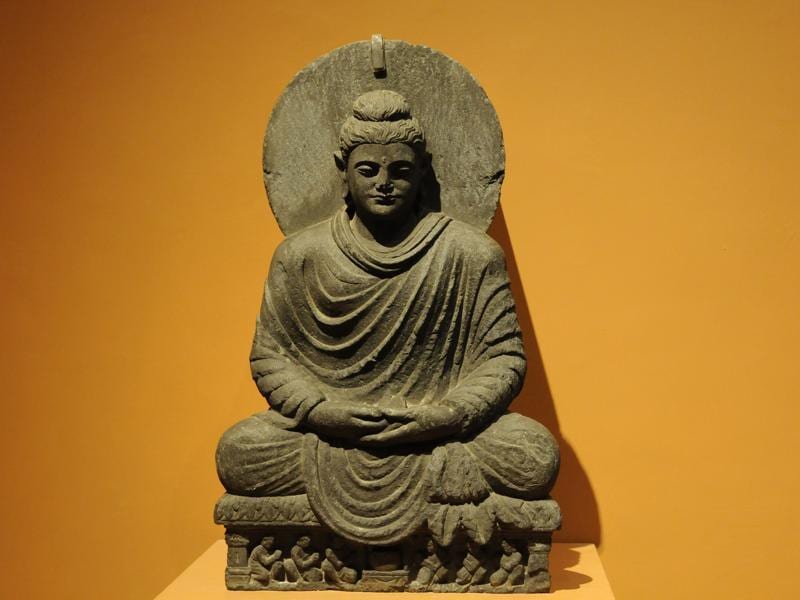
Buddha in meditation. Buddhist Art exhibition is up for viewing at National Museum in New Delhi, India, on Tuesday, November 10, 2015. (Photo by Saumya Khandelwal/ Hindustan Times)

An exhibition of India’s Buddhist art traces the religion’s progress from the birth of the Buddha to the growth of the doctrine and its journey through time.

There was no Freud to help Queen Mayadevi interpret her dream back in 6th century BCE, but to all who heard, it was clear that future greatness lay in store for the boy whose mother had dreamt that a white elephant had descended from heaven and entered her womb. Little wonder then that the depiction of the ‘Dream of Mayadevi’ - Buddha’s mother - is an integral part of Buddhist art, an exhibition of which, titled Buddhist Art from India, is being held at the National Museum.

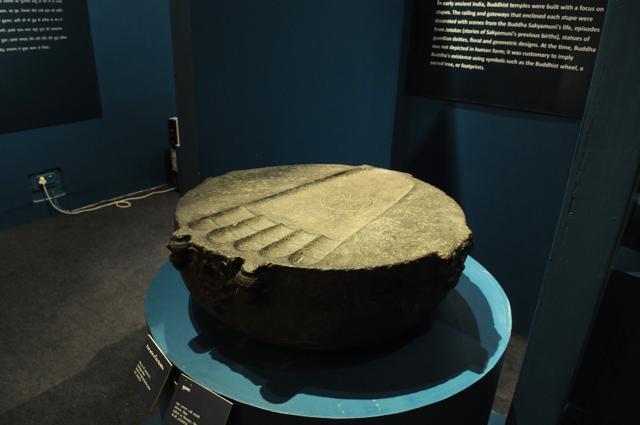
The 91 pieces on display are part of the collection of the Indian Museum, Kolkata, and have been exhibited to great acclaim in China, Japan and Singapore. Journeying through the centuries and through the different stages in the development of Buddhism, the exhibits range from depictions of Buddhist symbols such as footprints, the wheel and carvings on stupas to depictions of the Buddha’s miracles, statues of the Buddha and of Buddhist deities, and plates and bowls carved with tales from the sutras and jatakas (stories of the Buddha’s previous births). It is believed that statues of Buddha and Buddhist deities were first created in Gandhara and Mathura during the Kushana dynasty.
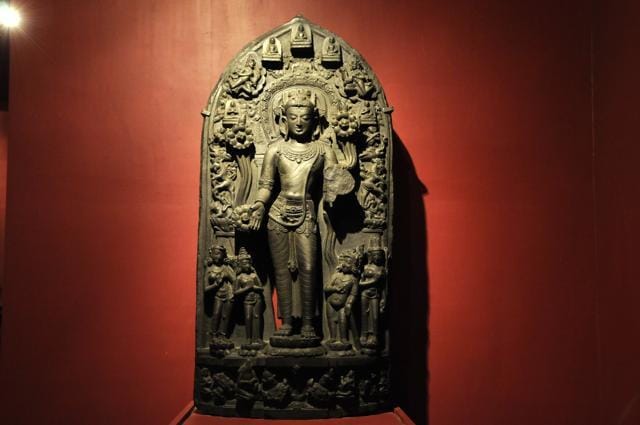
The Avalokitesvara Bodhisattva. (Photo by Saumya Khandelwal/ Hindustan Times)
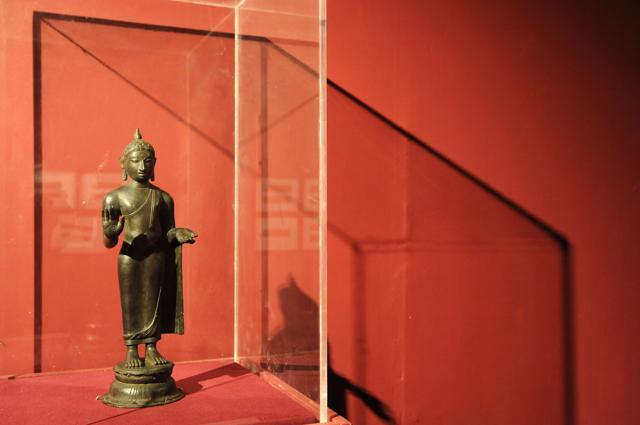
A standing Buddha made of bronze from Tamil Nadu. (Photo by Saumya Khandelwal/ Hindustan Times)
 (Photo by Saumya Khandelwal/ Hindustan Times)
(Photo by Saumya Khandelwal/ Hindustan Times)
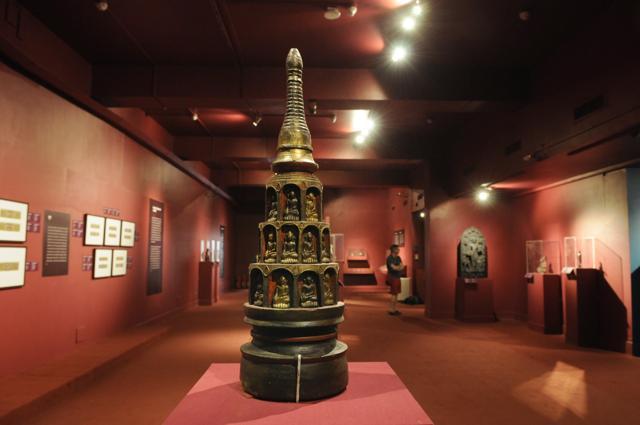
A model of a pagoda from Myanmar. (Photo by Saumya Khandelwal/ Hindustan Times)

The exhibition also includes works from countries like Myanmar. Interestingly, the Buddha’s features vary slightly from one image to the next depending on the age and the place of origin. An engaging show especially for those interested in spirituality and its impact, the only drawback seems to be the paucity of detail on the background to each piece. But as Sayan Bhattacharya, education officer, Indian Museum, points out: “Giving more details about each exhibit would have made the display too text-heavy”. The Indian Museum and the National Museum are discussing the possibility of holding workshops focussed on the exhibition.
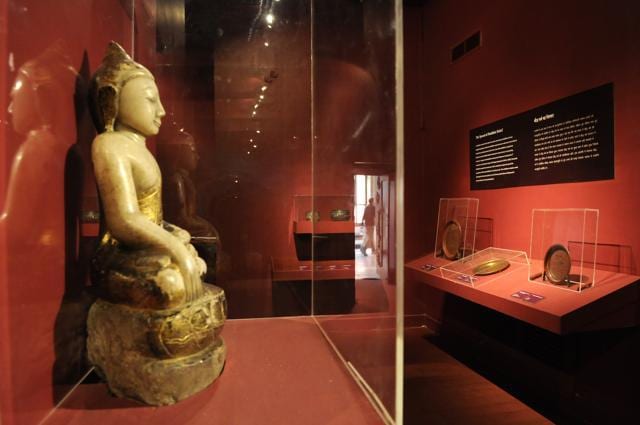
A Buddha from Myanmar. (Photo by Saumya Khandelwal/ Hindustan Times)
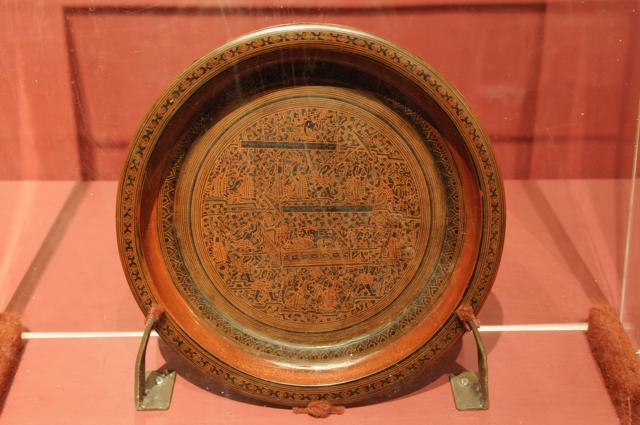
An inscribed plate showing the Vessantara Jataka. (Photo by Saumya Khandelwal/ Hindustan Times)
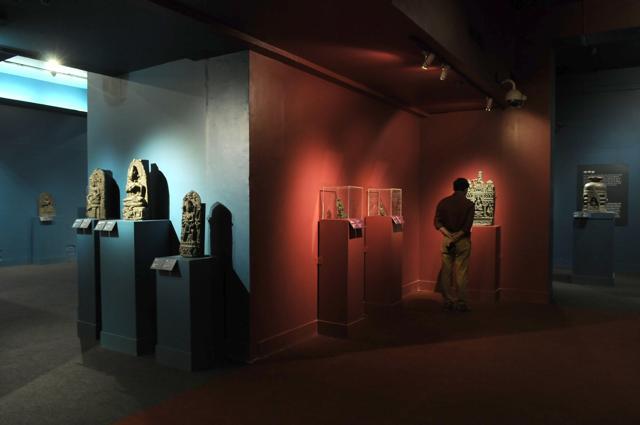
A visitor admires an exhibit at the Buddhist Art of India show at the National Museum. 91 artworks from the collection of the Indian Museum, Kolkata, are on display. (Photo by Saumya Khandelwal/ Hindustan Times)

ART WALK
What:
Buddhist Art of India
Where: National Museum, Janpath
When: 10 am to 5 pm, till November 30 (closed on Mondays)

  • Poulomi Banerjee
    ABOUT THE AUTHOR
    Poulomi Banerjee

    Poulomi Banerjee is assistant editor at Hindustan Times.A journalist with over a decade’s experience, Poulomi has reported on varied subject, but human rights and gender issues are her preferred areas of workRead More

Explore the latest Lifestyle News on health, fashion, travel, relationships, food and festivals. Find useful tips, expert advice, trends and inspiring stories for everyday living.