E-Paper



‘MP is one of the worst states for mothers’
Madhya Pradesh fails miserably at almost all infant and maternal health and safety indicators, making it one of the worst states for mothers in the country, recent incidents and data suggest.


Madhya Pradesh fails miserably at almost all infant and maternal health and safety indicators, making it one of the worst states for mothers in the country, recent incidents and data suggest.
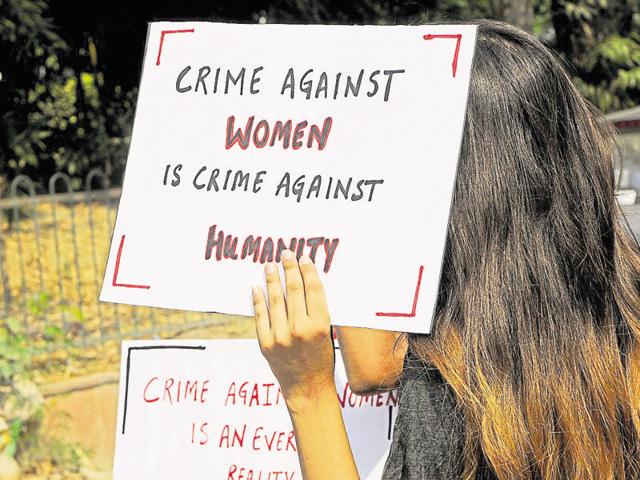
“Whether it is working women, housewives or pregnant women in the rural areas, nobody is safe in the state,” said Amulya Nidhi of the Jan Swasthya Abhiyan, the Indian circle of the People’s Health Movement.
“The state records a very high number of rape cases and maternal deaths, besides cases of domestic violence and atrocities against women.”
In March, a tribal woman and her husband carried their dead infant in carry bag in Sagar district demanding justice.
Ranu Adivasi from Charguwha village had suffered a miscarriage after she was forced to walk between the district hospital and the medical college several times.
Barely two weeks later, Manju Bai gave birth to a girl child on the roadside outside the Sehore district hospital after the driver of the Janani Suraksha Express, the ambulatory service aimed to provide assistance to expectant mothers from poor families, allegedly refused to take her to Bhopal unless he was paid.
As if such incidents weren’t bad enough, the state was recently rocked after a babies-for-sale racket was uncovered in Gwalior.
The prime accused, who worked at Palash nursing home, revealed the involvement of Accredited Social Health Activists (ASHA), doctors, paramedic staff and middlemen in the racket.
The ASHA network of the health department was allegedly used to get logistical details about pregnant women, who were then brought to the nursing home. The infant boys were then sold for Rs 90,000 and girls cost Rs 45,000.
The state also fails to perform in indicators related to the health of mothers and infants. Shortage of gynaecologists, lack of proper primary healthcare infrastructure in rural areas, and high infant and maternal mortality rates continue to plague the state.
The 2013 Sample Registration Survey data show that MP has the highest Infant Mortality Rate in the country, with 54 children per 1,000 live births dying before their first birthday.
The Maternal Mortality Ratio was 221 deaths per 1,00,000 live births against the country’s average of 167.
Besides failing to guarantee health and safety of mothers, the state has also not been able to keep its children safe.
Of 4,744 rapes reported in the state from February 2015 to January 2016, 2,552 were minors. In the same period, 122 minors were gang-raped.
And between 2013 and 2014, 7,689 children were reported missing from MP, the highest in the country, a written reply in the Lok Sabha revealed.
“In a nutshell, MP is one of the worst states to be a mother. The government has failed to create a safe and healthy environment for the women in the state,” said Nidhi.
Alarming
The 2013 Sample Registration Survey data show that MP has the highest Infant Mortality Rate in the country, with 54 children per 1,000 live births dying before their first birthday
The Maternal Mortality Ratio was 221 deaths per 1,00,000 live births against the country’s average of 167.