E-Paper



'Mystery marks' of stones in MP
As the rural areas of Tikamgarh and Chattarpur district went abuzz with rumors of some unknown force “scraping” surfaces of mortar and pestle and grinding stones at night, entomologists have come out with a more scientific explanation on Friday.

 Prefer HTon Google


Who would have thought that tiny droppings of some small insects would trigger such a huge scare?
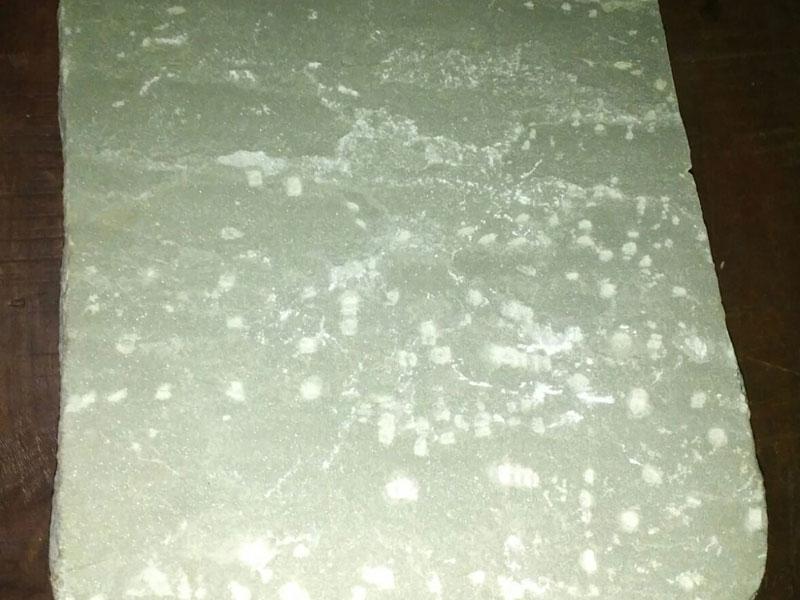
For days on end, parts of Madhya Pradesh and Uttar Pradesh had been swept by rumours of a “supernatural phenomenon” after unexplained scratches began appearing on their household mortar and pestle (sil and batta) and grinding stones (chakki). Many feared that “mysterious forces” were gaining entry into their house in the night and leaving the marks.
But hold your nose.
Entomologists -- those who study insects -- say the real culprits are an aggressive beetle species and their caustic excreta.
“The caustic excretion of such beetle species is most likely causing whitish abrasive marks on the stone surfaces which looks like scratch marks,” claims the Madhya Pradesh-based entomologist Dr KK Nema, after studying photos of the insects sent to him by HT.
“Many beetle species of these sub families, which also occur in Madhya Pradesh, excrete a caustic substance which could be acidic in nature, causing whitish abrasive marks on the stone surfaces which is being mistaken as miracle marks on mortar and pestle and grinding stones”, he said.
Another entomologist Dr Sandeep Sharma agreed and said that though it is not known whether these beetle can scratch or eat into stone surface, “they excrete caustic substance which could cause marks on the surfaces.”
The expert opinion should come to comfort people living in Tikamgarh, Chattarpur and Bhind of Madhya Pradesh and Jhansi, Mauranipur and Mahoba of Uttar Pradesh. For some weeks, the beetles had got the better of them.