E-Paper



New Madhya Pradesh bill likely to replace 1968 law
The new proposed law clearly mentions that conversion for marriage by force, fraud, lure or instigation will be punishable by a maximum jail term of five years. This offence shall be cognizable -- which means that police can arrest someone without a warrant and start an investigation without the permission of the court -- and non-bailable, added the officials quoted above.

 Prefer HTon Google


The Madhya Pradesh Dharm Swatantrey (freedom of religion) Bill, which was announced by home minister Narottam Mishra on Tuesday, is likely to replace the 1968 Madhya Pradesh Freedom of Religion Act that had a maximum punishment of two years for forced conversion.
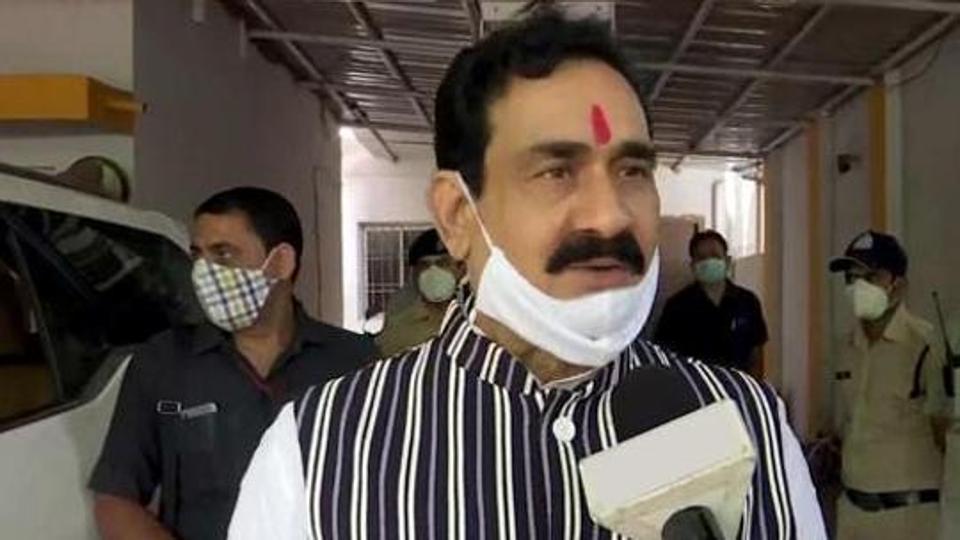
Some key provisions of the proposed law, which is likely to be tabled in the state assembly in the upcoming winter session, were shared with HT by home department officials on condition of anonymity. The law, Mishra said, was necessitated by incidents of love jihad, a term used by some right-wing Hindu activists to describe a marriage between a Hindu woman and a Muslim man.
The new proposed law clearly mentions that conversion for marriage by force, fraud, lure or instigation will be punishable by a maximum jail term of five years. This offence shall be cognizable -- which means that police can arrest someone without a warrant and start an investigation without the permission of the court -- and non-bailable, added the officials quoted above.
If such forced conversion is proved, then the marriage concerned shall be declared null and void and anyone who assisted or was a part of the conversion exercise shall be treated at par with the main accused, the officials added.
Also Read: Madhya Pradesh govt to table bill against ‘forced’ interfaith marriage
For the new proposed law to be invoked, either the person who converted or their relatives, will have to lodge a complaint. Either the person who is converting for marriage or the religious leader presiding over the conversion ceremony will have to inform the concerned district magistrate a month before the marriage. This provision is similar to one that already exists in the 1954 Special Marriage Act, which governs interfaith marriages in India.
Justice (retired) AK Gohil, a former judge of the Madhya Pradesh high court said earlier there was no provision to check fraud during inter-faith marriages. “The previous law has a provision of prior intimation but it didn’t have any specific time limit,” he said.
“Now the provision of prior intimation will give ample time to authorities to check the credentials. This will help both man and woman because sometimes under the societal pressure, the woman is forced by the family to lodge a fake complaint against her husband for hiding his religion,” said Sandeep Gupta, a senior advocate.
Gupta said the previous law was rarely invoked. “If any woman lodged a complaint that a man hid his religion before marriage and forced her to convert after marriage, the FIR was lodge under section 420 of IPC only. Rarely, police invoke the Freedom of Religion Act.”