
 E-Paper



Anusha Rizvi: “The Great Shamsuddin Family is a story of strong women”
The writer-director of TGSF, that’s currently streaming on JioHotstar, on how she portrayed the dynamics of a modern Indian Muslim family

 Prefer HTon Google


What challenges did you face in making the film, and how did you develop this story of modern Indian Muslim family dynamics — their fears and issues — unfolding in a single confined home space?
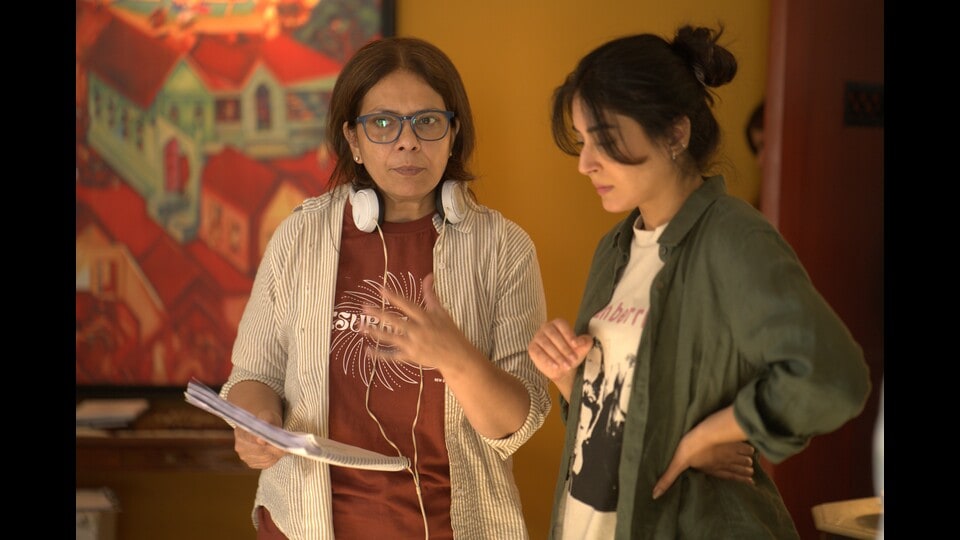
Filmmaking is a challenging enterprise and obstacles can present themselves from anywhere. We had our share of challenges, with a storm in Delhi that not only destroyed our equipment but also flooded the entire location, resulting in the loss of one entire day of shooting. The last few days of the shoot were still left when Operation Sindoor began. The uncertainty of airports and flight schedules threw production into a tizzy, however the Delhi airport was not shut down and so we could finish the shoot in time.
The Muslim characters feel authentic with their everyday fears and joys. Though they wear their identity lightly, they are assertive. Were they inspired by people you know?
This is how the majority of the Muslim middle class lives and dresses and talks so it wasn’t about being inspired by any one person. The representation of Muslims in cinema for a long time has been cut off from the lived reality of the community across classes. In TGSF, we have only done an honest representation of one particular family.
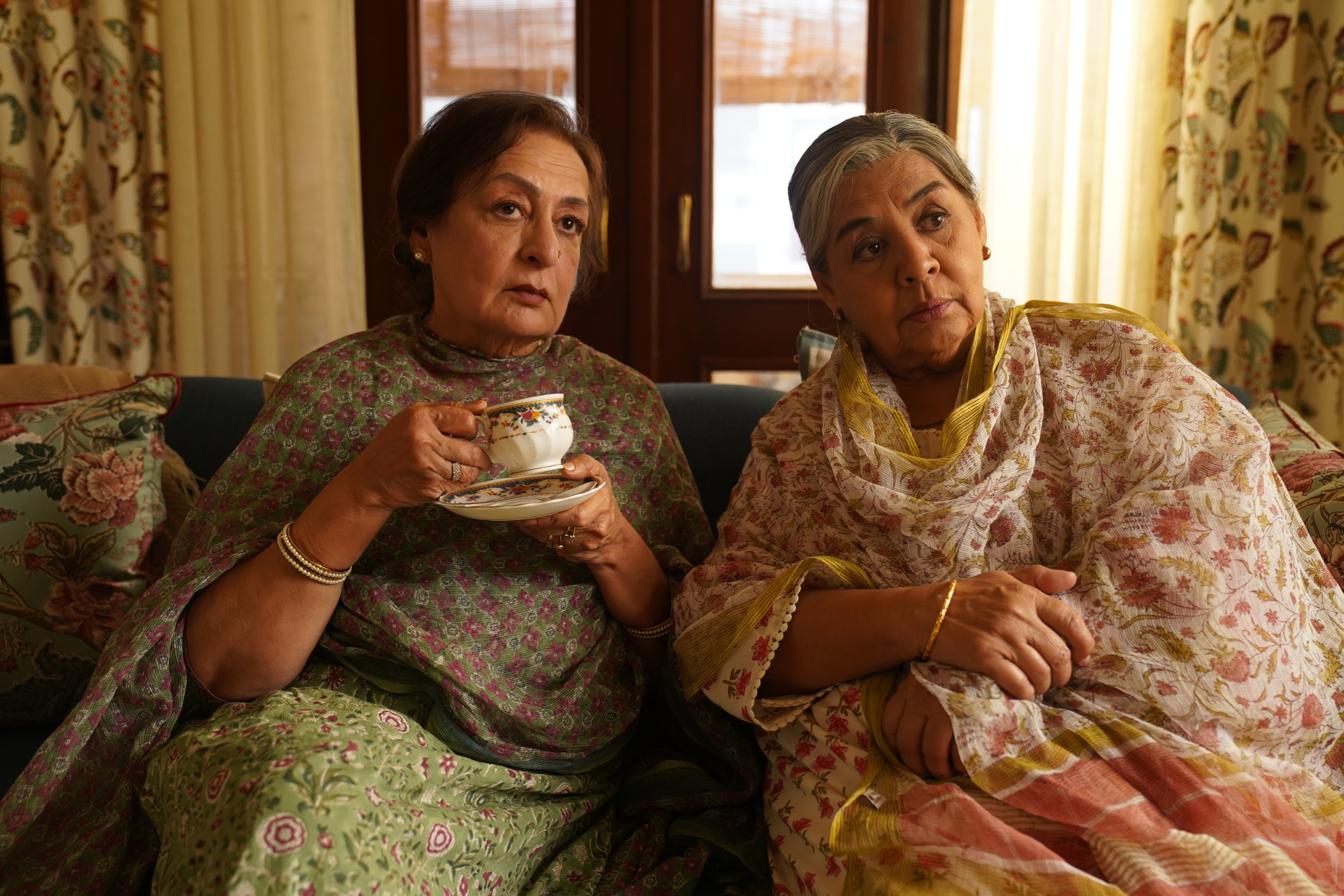
Most of the characters in the film are Muslim women across generations. They are strong and disagree fiercely, yet unite in the end to resolve the family crises. Their portrayal avoids Bollywood stereotypes of veiled, victimized figures needing rescue. Was this intentional?
TGSF is a story of strong, opinionated women, so yes their portrayal was also true to their characters.
The cast is mostly non-Muslim, except Farida Jalal. Did you have to put in an extra effort to sensitize the cast to cultural and religious nuances of the Muslim women they portrayed on screen?
I did not choose the actors for their religion but for their talent so I really have no idea who was following which faith.
Certain words and their pronunciations were difficult for some of the actors, especially Urdu words with the Kh and Ph, but with practice they were able to perfect them.
The film depicts a young interfaith couple trying to balance family expectations and love amid love jihad fears, with the boy’s mother eventually accepting them. But the girl’s family response is understated. Did you intend to explore this further, or leave it ambiguous?
Pallavi is an independent woman professional, and has taken this decision after trying for three years to make her point of view understood. Zohaib and Pallavi opt for a court marriage as thinking adults, however, they aren’t able to go through the process due to circumstances not in their control. We come to the reaction of Zohaib’s family only because he inadvertently brings Pallavi face to face with the full force of his family but Pallavi’s family isn’t explored within the confines of this setup.
READ MORE: The Great Shamsuddin Family and the frivolity of being human
Humour permeates the film and eases character tensions and grave situations. How did you balance things to convey serious themes without trivializing them?
Life, especially in India can be funny in an odd sort of a way. The comedy in the film is largely situational, drawn from everyday life.
How did you use the single-day-single-flat setup in a cramped Delhi apartment to heighten the chaos, showing the intimate fears, joys, and tensions of this modern Muslim family?
The one-day- one-location setup gave me freedom to have an intimate film, to be able to look at the family closely and understand them, to hear them.
What is the most striking and interesting feedback you’ve received after the film was released? And how are young Indian audiences responding to it?
There has been a tremendous response to the film. And I am so grateful for the deep engagement with which some of the commentators are viewing The Great Shamsuddin Family. But what is most amazing is how personally the film is resonating with so many people. The TGSF team has been receiving mails and messages from across the country, especially from women, who feel seen through this film. The response is overwhelming for all of us.
Majid Maqbool is an independent journalist based in Kashmir.


