
 E-Paper



Book Box: Why We Need Memoirs — 1
A policewoman, and a Nobel prize winner, and seven reasons to read memoirs.

 Prefer HTon Google


Dear Reader,
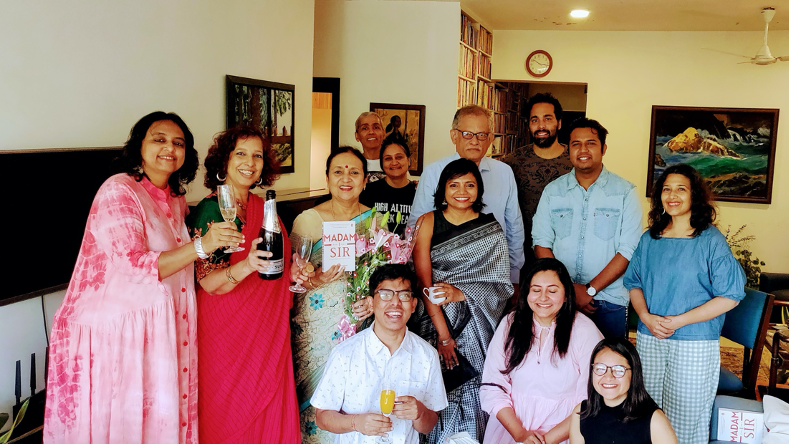
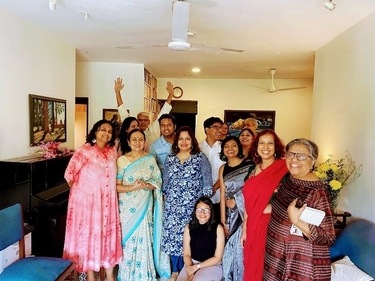
This is the story of an elegant lady in a silk sari who comes to tea.
We gather around her, about 20 of us, formally at first. But as she begins to tell stories of her life, of the broken marriage that spurred her to meet Rao of Rao’s Study Circle, of cracking the UPSC public service exam to become a policewoman, we are entranced and clamour for more.
What was it like to deal with dacoits in Bokaro Steel City, to help expose the police excesses in the Bhagalpur blindings, to get a call early in the morning from the then Chief Minister of Bihar Laloo Prasad Yadav, we ask her?
We are in a fifth-floor flat in Juhu, drinking orange juice and tea, we are also miles away, in the world of Madam Sir, the moniker for Manjari Jaruhar, a woman police officer in a mostly male force. We’ve read the stories in her book, but to listen to them live, feels like part of an ancient tradition, like sitting around that campfire on the savannah.
Last year, I read a memoir a month, and each one taught me so much. I’d recommend adding autobiographies to your reading list, for all of these reasons:
1. Memoirs help you understand yourself and the people around you. Like My Story by Kamala Das on the costs associated with creativity or Maybe You Should Talk to Someone where a therapist weaves her story with her patients.
2. You hear the voices from the margins. Memoirs like Interrogating My Chandal Life and Coming out as a Dalit challenge existing hierarchies.
3. Find the vocabulary to protest discrimination. Discover how to do this with books like Untamed or Why Be Happy When You Could Be Normal?
4. Understand unfamiliar arenas through brilliant minds. Read Lab Girl for botany, Brief Candle in the Dark for evolutionary biology, Home in the World and Misbehaving for Economics, for instance.
5. Delve deeper into favourite fields. Read Open if you love tennis, Shoe Dog for sports and business, Principles for investing etc.
6. Join in WhatsApp and water cooler conversations. Books like Becoming by Michelle Obama or the upcoming Spare by Prince Harry, provide platforms for debates on many matters. Like roles, responsibilities and racism.
7. Savour the sheer pleasure of good writing. This year’s most mesmerising memoirist, for me, has been a Frenchwoman — the Nobel Literature prize-winning Annie Ernaux.
What I love about this writer is how she engages with the messiness of memory. Ernaux frequently questions her version of her story, using photographs, music, written evidence in journals and notes, to interrogate her own memories. Read The Years to see how skilfully she does this. Or better still, listen to the audiobook version.

If you’d like to start small, begin with the gut-wrenching Happening, a two-hour-long audiobook, that describes an abortion Ernaux had in Paris, in her twenties. It was illegal then, as it is now, in many of the ‘most developed’ parts of the world.
Next week, more on the power of personal narratives; on how writing your memoir can help you, as well as some writing tools and techniques.
Until then, happy reading!
Sonya Dutta Choudhury is a Mumbai-based journalist and the founder of Sonya’s Book Box, a bespoke book service. Each week, she brings you specially curated books to give you an immersive understanding of people and places. If you have any reading recommendations or suggestions, write to her at sonyasbookbox@gmail.com
The views expressed are personal


