
 E-Paper



Review: Cricketing Lives by Richard H Thomas
From early Gentlemen versus Players games to match fixing, women’s cricket and the IPL, this interesting history of cricket presents the game’s major wins and losses

 Prefer HTon Google


Whether you call it cricket, criquet, creag, or krickett, the game has become ubiquitous throughout Britain and its former colonies. Arriving at its origins can be a difficult and contentious task. But that’s exactly what Cricketing Lives by Richard H Thomas attempts to do. Diving into history to provide a panoramic view of the game and its associations, it goes as far back as Homer and to Chaucer’s Canterbury Tales to situate cricket’s original epicentre north of Portsmouth. This was where the professional game was born and where abundant money was raised for it through betting at village cricket clubs. “If you’ve recently clicked your tongue and shouted at the television that cricket is all about money, you’re 250 years too late,” Thomas states. On a similar note, the game has always had star players. The book introduces us to Edward “Lumpy” Stevens, the first superstar bowler, and to the first superstar batsman, William Beldham. And then there are the other stalwarts who shaped cricket’s trajectory whether at the global level, in the advent of the IPL, or in matchfixing.
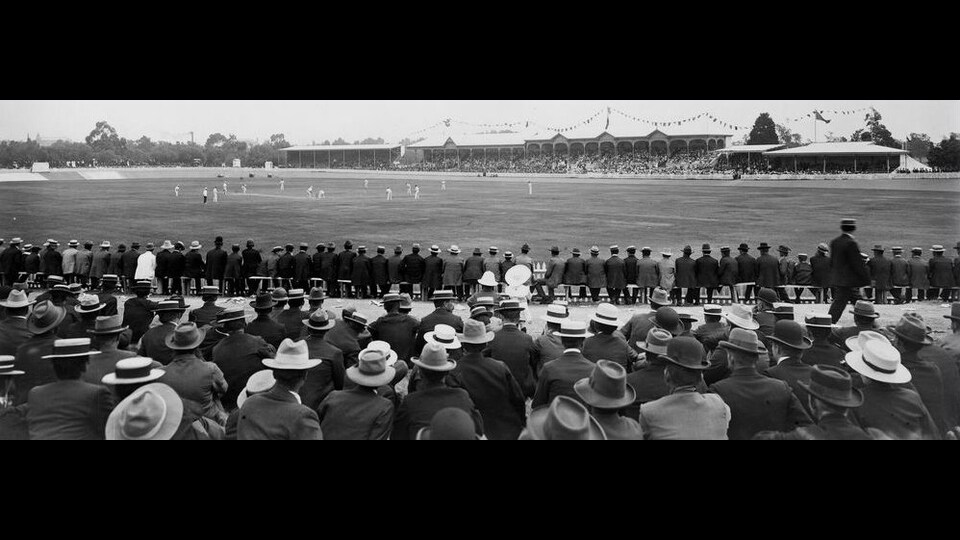
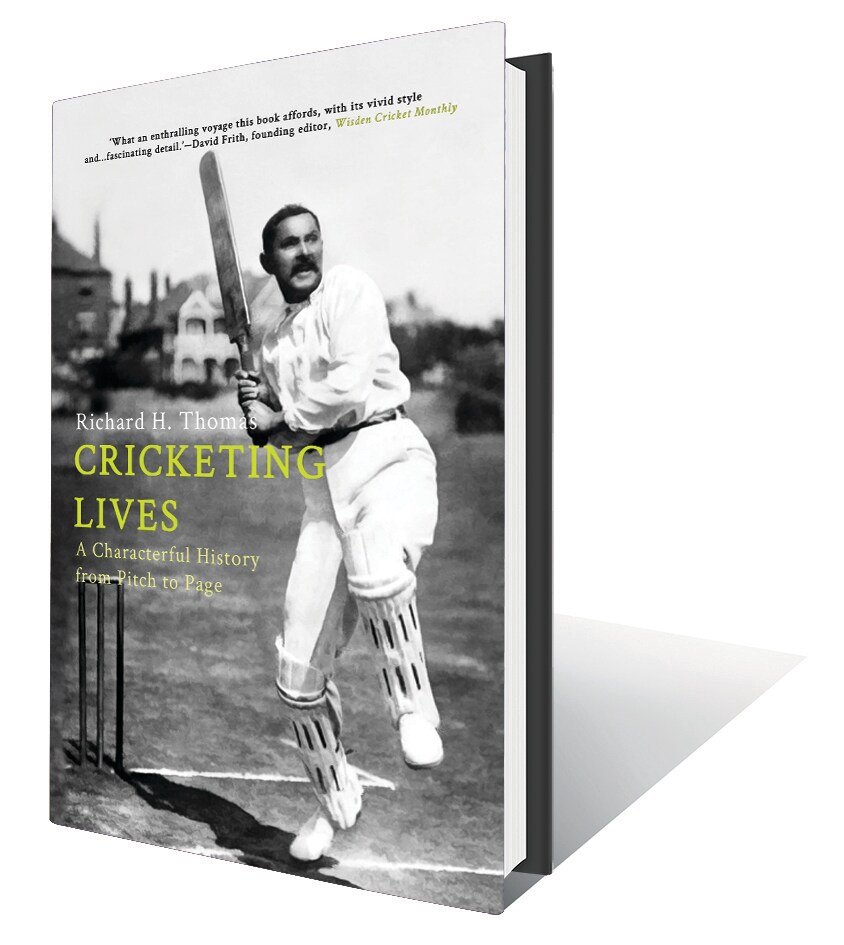
Before 1962, cricketers were divided into the categories of “Gentlemen” and “Players” with the former being wealthy and upper class unlike the latter who made money by playing. This distinction was deeply entrenched with Gentlemen vs Players games in England becoming an arena where the class war played out between the aristocracy and the working class. In 1806, there were many contests especially labelled “Gentlemen vs Players”. After a while, cricket rivalries seeped down to “geographical proximities”, as it did in the 1920s between Yorkshire and Lancashire.
Things went transnational in 1877 with the first test match being played between England and Australia at Melbourne. A game that’s gained traction at the local, national and international levels, cricket often arouses extreme emotions and feelings of great patriotism during international matches. In the chapter “World Cups and World Beaters”, Thomas sifts through the timeline of the World Cup, which was first held at Lord’s in 1975. It was on this turf that the English side first met Sunil Gavasakar as India’s opening batsman.
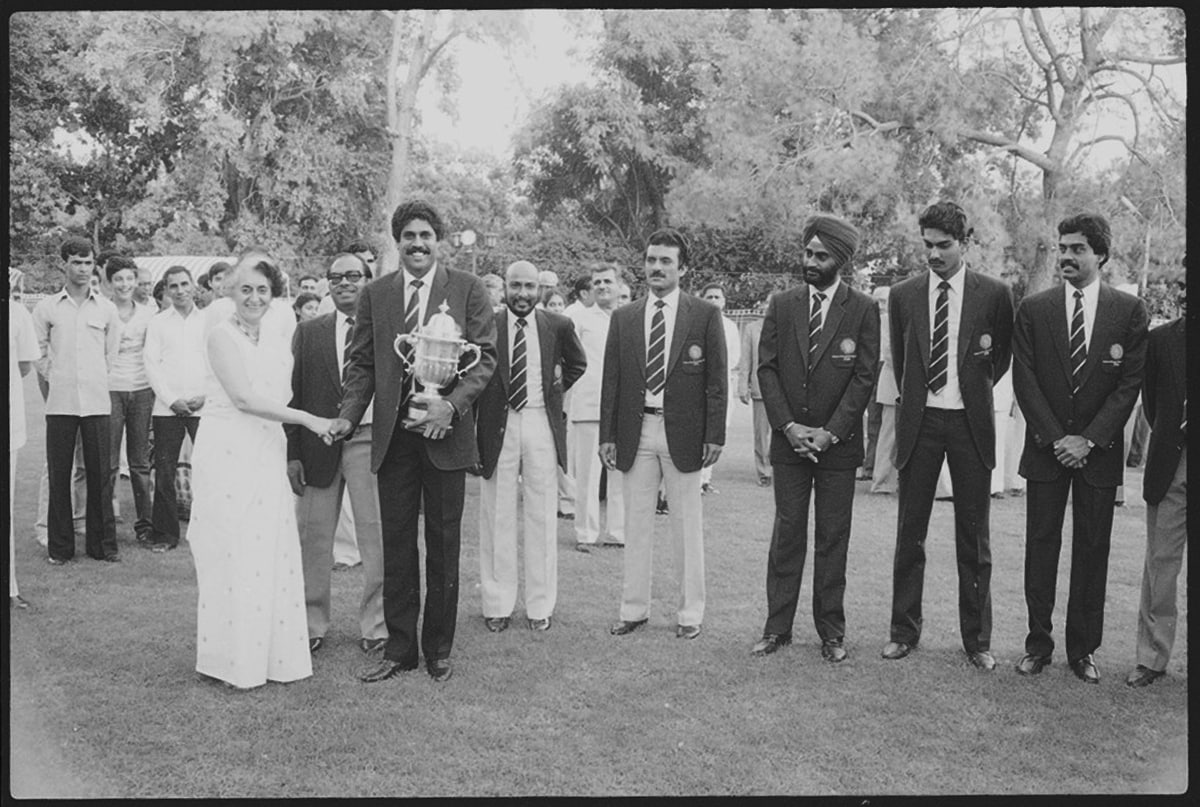
Back then, advertising and sponsors weren’t such an integral part of the World Cup as they are today. All the players wore white uniforms with no names or numbers on them .They didn’t wear helmets either. In 1983, India won the much coveted World Cup, an event that confirmed that it was a serious cricketing nation. Television was still in its infancy in the country and the victory brought the international game right into drawing rooms. Up until then, during the age of radio, audience participation had been relatively low. “Such had been their muted ambition that only 20 per cent of cricket fans in India were even aware the World Cup was happening,” Thomas writes as he serves us this interesting history of cricket with all the major wins and losses following that toss of a coin.
Five years after that huge win, the World Cup finals were held in Kolkata, an event that announced that the dynamics of global cricket had changed forever. Today, India is hugely influential in cricket. But even as the men’s cricket team has gone from strength to strength, until recently, the high points of women’s cricket in the country were mostly undocumented.
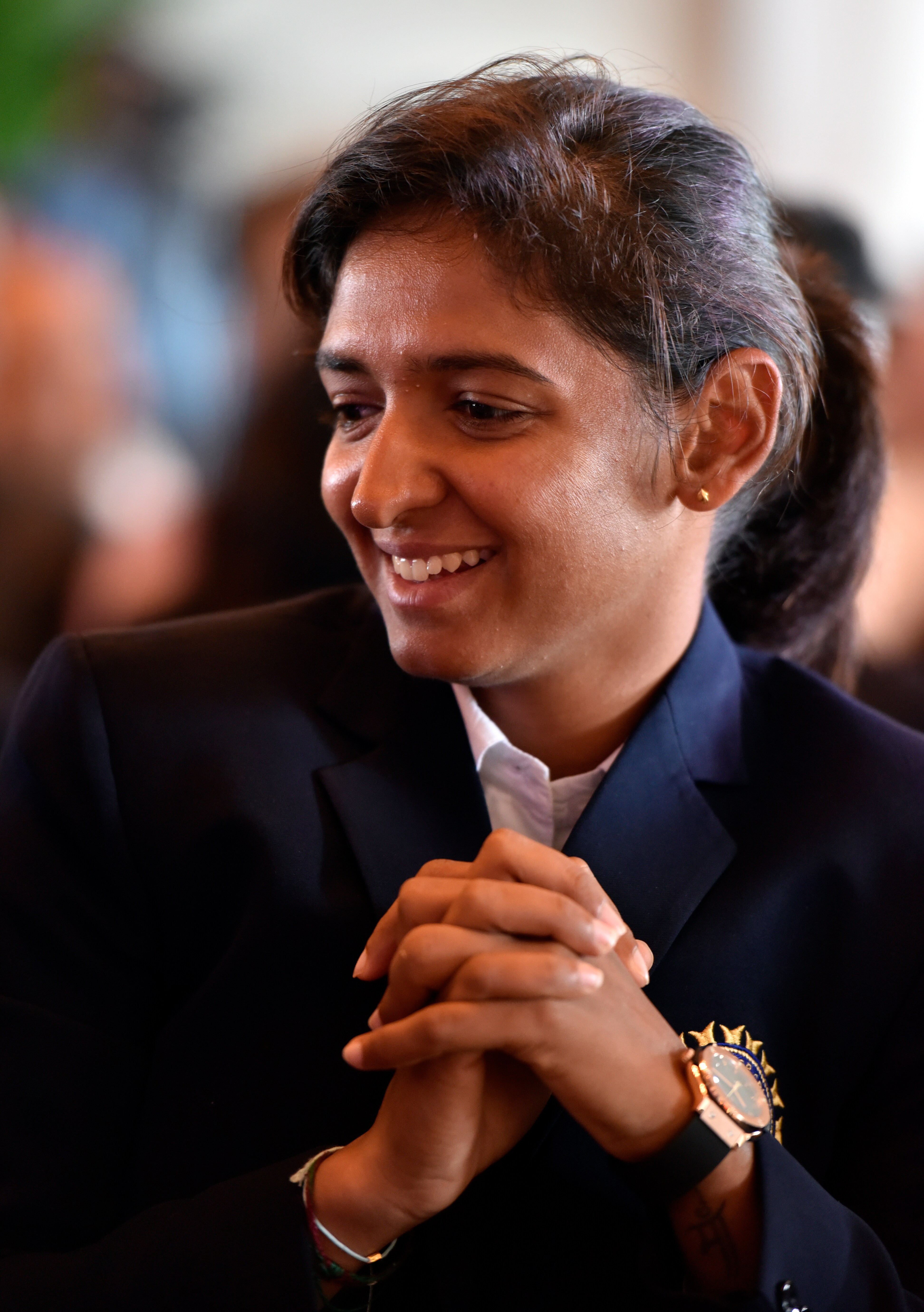
The author presents a significant overview of women’s cricket and points out that things haven’t been upbeat for women’s teams in other cricket playing nations either. Though the team gave England four world cups before the men did, they have been largely ignored. 20th century cricketers like Betty Snowball, Myrtle Maclagan, Eileen Ash, Betty Wilson and Enid Bakewell paved the way for contemporary stars like Charlotte Edwards, Harmanpreet Kaur and Ellyse Perry. The achievements of female cricketers have not been celebrated enough. Few still know that Betty Wilson, one of the greatest Australian champions, was the first person to make a century and take 10 wickets in a match. Despite that great achievement and despite the fact that it was the venue of the first women’s World Cup in 1973, it was only in 1999 that women were allowed to become members of the Melbourne Cricket Club. While things have improved, it isn’t a level playing field for women cricketers. “Until fairly recently, elite women cricketers raised money to play, playing for their own kit and blazers. They juggled playing with outside careers and, in some cases, the raising of young families,” says Thomas. Women’s cricket now attracts more attention, a larger audience, and as a result, more funding, but men’s cricket is still far ahead.

In the foreword to Cricketing Lives, cricket broadcaster Daniel Norcross writes, “Through a love of cricket we might learn not only to dream of the magical possibilities that life has to offer, but to appreciate that it is not simply the conventional qualities that matter.” In the eclectic and diverse history of cricket, there has always been enough space for non-conventionality and exceptions. Perhaps that is why the game now encompasses more than just the turf on which it is played and has become a force larger than itself.
Saleem Rashid Shah is an independent book critic. He lives in New Delhi.


