
 E-Paper



HT Picks; New Reads
This week’s pick of interesting reads includes Arvind Krishna Mehrotra’s first collection of new poetry in 25 years, a volume that looks at how management truisms don’t always hold good everywhere, and the story of how Savitribai Phule persevered against the oppressive forces of society

 Prefer HTon Google


Extraordinary records of the everyday
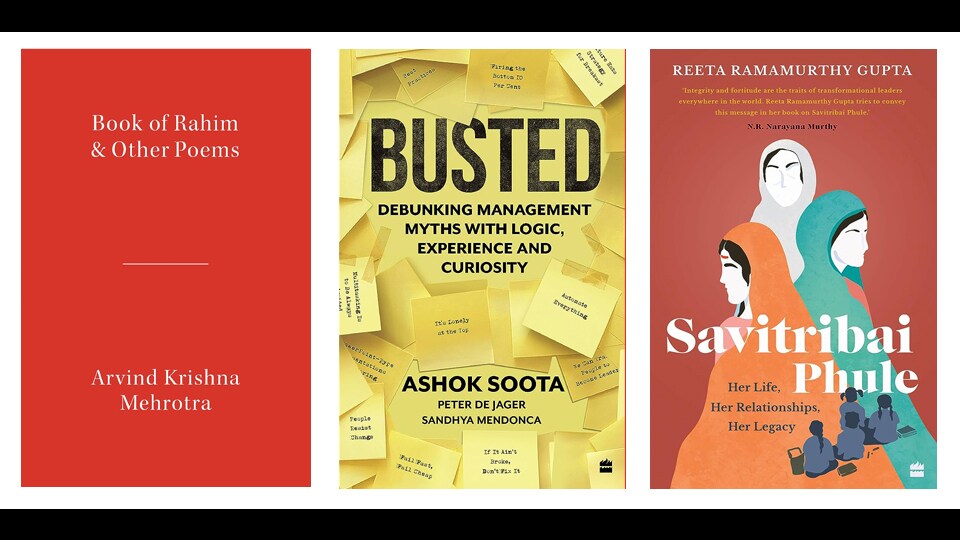
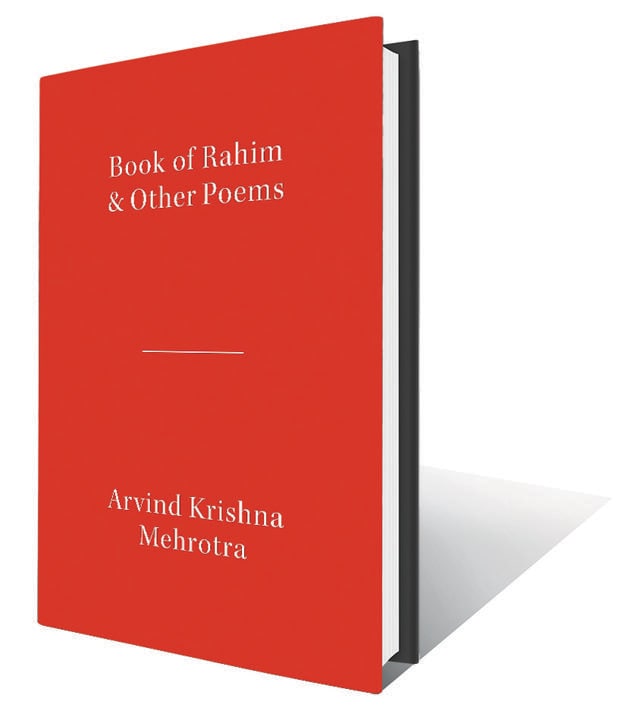
Arvind Krishna Mehrotra’s new book of poems, Book of Rahim, is his first collection of new poetry in 25 years. It contains extraordinary records of the everyday, as well as a frequent reimagining of history that makes it as commonplace as a relative or a piece of furniture, and all the more strange and unrepeatable because of that. These involve Mehrotra inhabiting the voice and time of an ageing Ghalib (author of a memorable diary reflecting on the events of the Sepoy Mutiny of 1857); his revisiting Abd al-Rahim Khan-i-Khanan (1556-1627), a Baharlu Turk, an important figure in the Mughal nobility during the reigns of Akbar and Jehangir; and his discovery of objects and letters from his family home in Lahore. The result is a frayed immediacy that hefty historical novels find difficult to achieve.*
Rethinking received wisdom
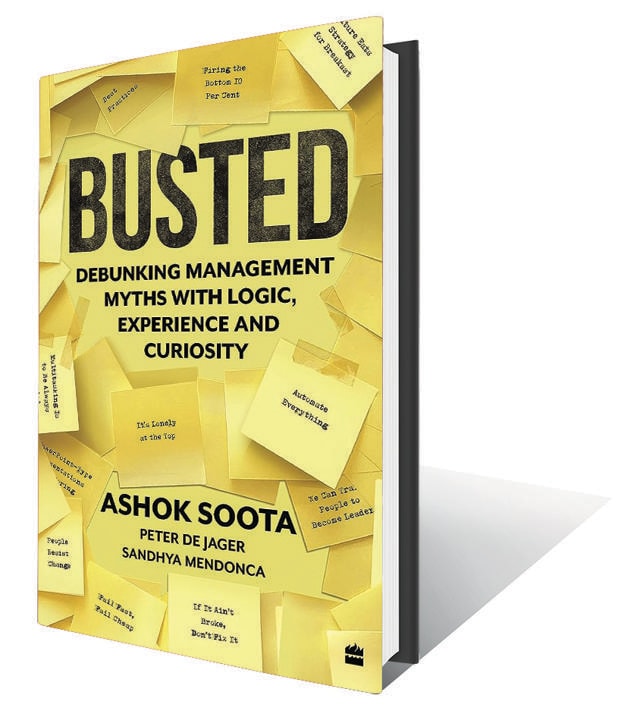
Management gurus like Michael Porter, Peter Drucker and other worthy practitioners have attained cult status. Their pithy phrases are repeated across the globe from business schools to board rooms as universal truths. But do these management truisms always hold good everywhere? Or are they myths that need to be examined for relevance in today’s rapidly changing world? In Busted, industry leader Ashok Soota, management consultant Peter de Jager and co-author Sandhya Mendonca cast fresh light and prompt a rethinking of received wisdom. They focus on 17 commonly accepted management principles and crisply examine the reasons why these can’t be accepted as universal truths.
Backed by the authors’ wealth of experience in building, scaling, and consulting with organisations across sectors, cultures, and continents, Busted incorporates real-life examples and first-person interviews with industry leaders and practitioners, inspiring readers to question, test, and validate all advice regardless of the source.*
Waging war against social inequity
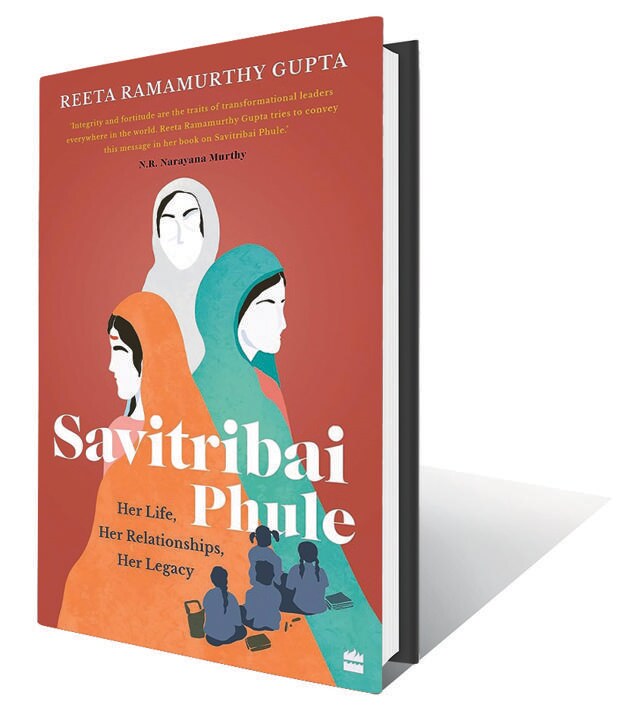
Less than 200 years ago, when Savitribai Phule was born, life in India was very different from the way we know it today. One’s rights as a human being were determined entirely by one’s birth; there were different sets of rules for men and women, Brahmins and Shudras. It was simply not possible to cross the lines.
Savitribai Phule dared to break these rules.
As Indian’s first female teacher, she demanded the impossible: “dignity and education for all”. Supported every step of the way by her widowed mother Sagunabai Kshirsagar and her friend and fellow teacher Fatima Sheikh, Savitribai waged an all-out war against social inequities. Ostracized, abused and tormented, these three women persevered nevertheless against the oppressive forces of society, not just to enable the education of women but for the emancipation of widows, untouchables and backward castes as well.
This is their inspiring story. Set in the mid-nineteenth century in Poona, it is an excitingly feminist and daringly irreverent tale of three women who believed in their ability to make a difference.
Today, Savitribai is widely acknowledged as a champion of the downtrodden. Reeta Ramamurthy Gupta’s detailed and incisive biography reveals the inner life of the icon to whom the modern Indian woman owes so much.*
*All copy from book flap.


