
 E-Paper



HT Picks; New Reads
This week’s reading list includes a book on the people, culture and politics of Haryana and its evolution from the seventeenth to the twenty-first century, one that encapsulates the musical universe of Laxmikant-Pyarelal, and a history of the political thought that laid the foundations of modern India and looks at the power of ideas to drive historical transformation

 Prefer HTon Google


The Story of Haryana
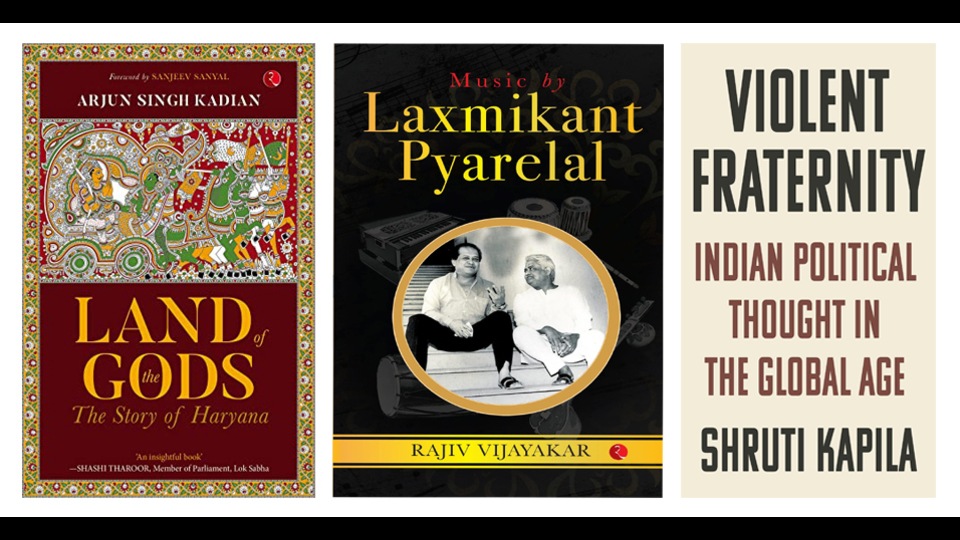
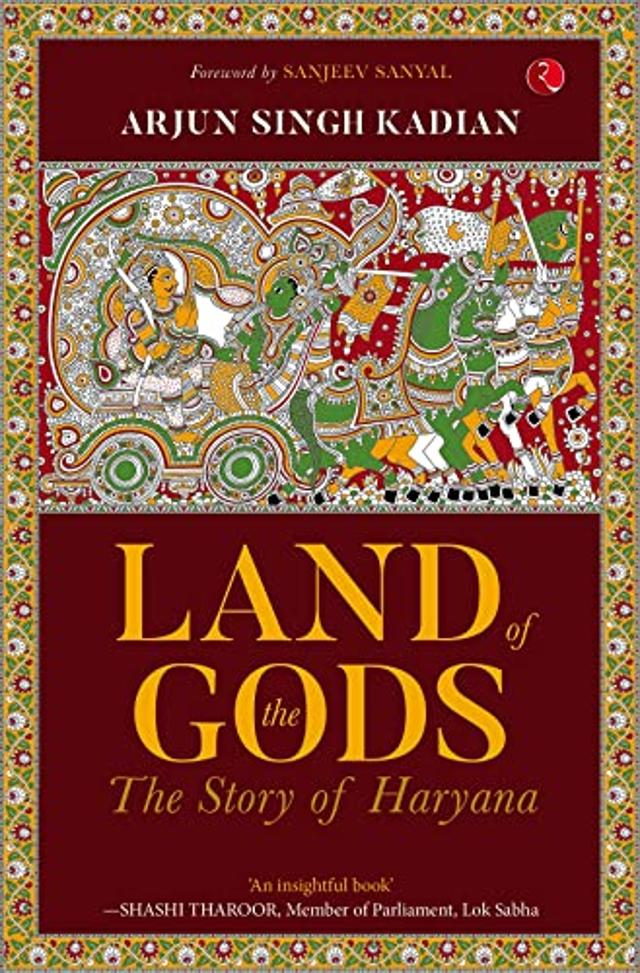
The great war of right versus wrong was fought here. It was from this land that Lord Krishna’s wisdom – the universal truth – spread across the globe. It is the cradle of the ancient Indus-Saraswati civilization, with the sacred river Saraswati, glorified in the Rig Veda, flowing in its full might across the plains and onward.
Kings and emperors used this place to expand hand consolidate their empires. The East India Company and later the British Crown, played their games here, manipulating and managing their colonial affairs. The much-ridiculed ‘Aya Ram Gaya Ram’ political epithet originated here. This land gave the nation a number of stalwarts of the independence movement. And it became the address for a cocktail of regional and national political manoeuvrings, impacting national politics in major ways.
In his debut book, Land of the Gods; The Story of Haryana, Arjun Singh Kadian takes the readers through a fascinating journey of Haryana which offers new insights and delightful nuggets. Deeply researched but narrated with ease and simplicity, the book provides an expansive and holistic understanding of the state – its people, culture and politics – and its remarkable evolution from the seventeenth to the twenty-first century.*
A musical universe
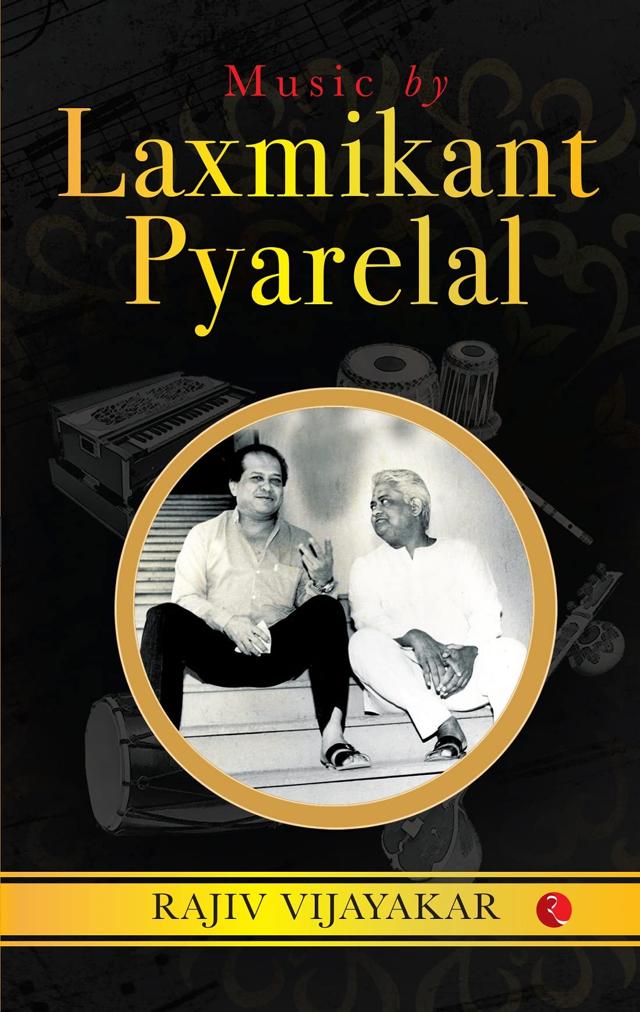
Laxmikant-Pyarelal’s music is played, every hour if not more frequently, in every nook and cranny of the country over two decades after they stopped composing together. It also finds due place globally, wherever Indian music is loved. Today, Pyarelal has his own global standing, and is the only Indian composer to have a symphony registered in his name.
This book encapsulates what can only be called the “Musical Universe” of Laxmikant-Pyarelal. Here is a duo known as much for incomparable range and quality as for unmatched popularity and quantity: as much for intimate associations with lyricists, singers, filmmakers and stars as for giving career breaks and breakthroughs to so many; as much for chartbusters from the 1960s to 1990s as for leading in the list of recreated songs today.
From teenage musicians to being composers for over 500 films, their journey is truly incredible in every aspect. They are admired by international as well as Indian classical maestros.*
Indian political thought in the global age
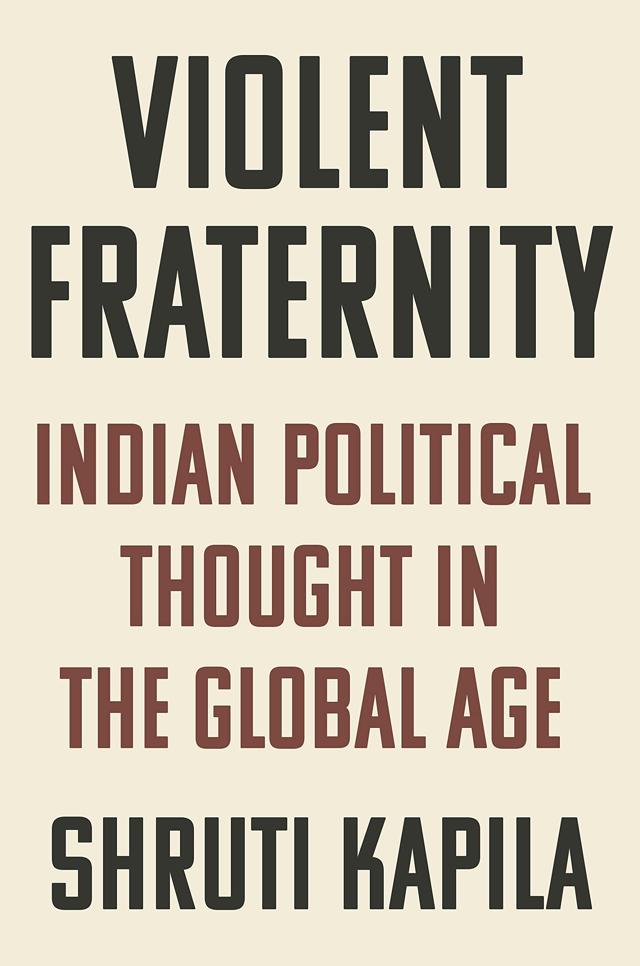
Violent Fraternity is a major history of the political thought that laid the foundations of modern India. Taking readers from the dawn of the twentieth century to the independence of India and the formation of Pakistan in 1947, the book is a testament to the power of ideas to drive historical transformation.
Shruti Kapila sheds new light on leading figures such as MK Gandhi, Muhammad Iqbal, BR Ambedkar, and Vinayak Savarkar, the founder of Hindutva, showing how they were innovative political thinkers as well as influential political actors. She also examines lesser known figures who contributed to the making of a new canon of political thought, such as BG Tilak, considered by Lenin to be the “fountainhead of revolution in Asia,” and Sardar Patel, India’s first deputy prime minister. Kapila argues that it was in India that modern political languages were remade though a revolution that defied fidelity to any exclusive ideology. The book shows how the foundational questions of politics were addressed in the shadow of imperialism to create both a sovereign India and the world’s first avowedly Muslim nation, Pakistan. Fraternity was lost only to be found again in violence as the Indian age signalled the emergence of intimate enmity.
A compelling work of scholarship, Violent Fraternity demonstrates why India, with its breathtaking scale and diversity, redefined the nature of political violence for the modern global era.*
.* All copy from book flap.


