
 E-Paper



HT Picks; New Reads
Advice on starting and growing a company, an indepth biography of a pioneering scientist, and a new translation of a popular book of traditional tales – all that on our reading list this week

 Prefer HTon Google


How iconic entrepreneurs got it right
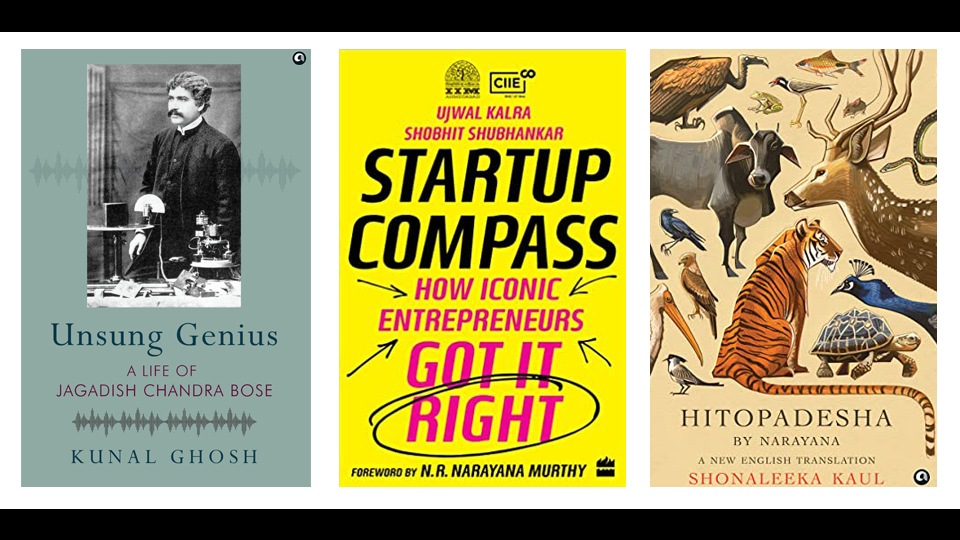
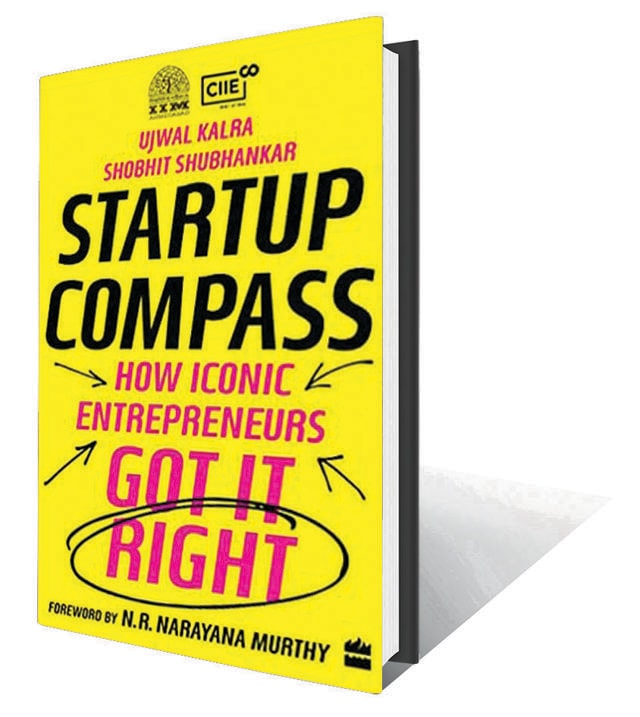
The idea of starting a company has never been more popular in India. A new breed of entrepreneurs is rising in the country, inspired by home-grown heroes, driven to pursue extraordinary outcomes and supported by an ecosystem that is willing to back audacious ideas.
Startup Compass offers advice on starting and growing a company, shared in a lecture series at IIM Ahmedabad and over extensive interviews by fifteen iconic Indian entrepreneurs. These include Sanjeev Bikhchandani (Naukri), Deep Kalra (MakeMyTrip), Sachin Bansal (Flipkart), Falguni Nayar (Nykaa), Kunal Shah (CRED), Sahil Barua (Delhivery) and Raghunandan G (TaxiForSure), among others. The advice they give is invaluable, and covers all the stages in the life of a startup, from idea, team and product, to eventual exit.
If you are looking to begin your own startup journey, are interested in the Indian startup ecosystem or are simply a student of business, this book is for you.*
A life of Jagadish Chandra Bose
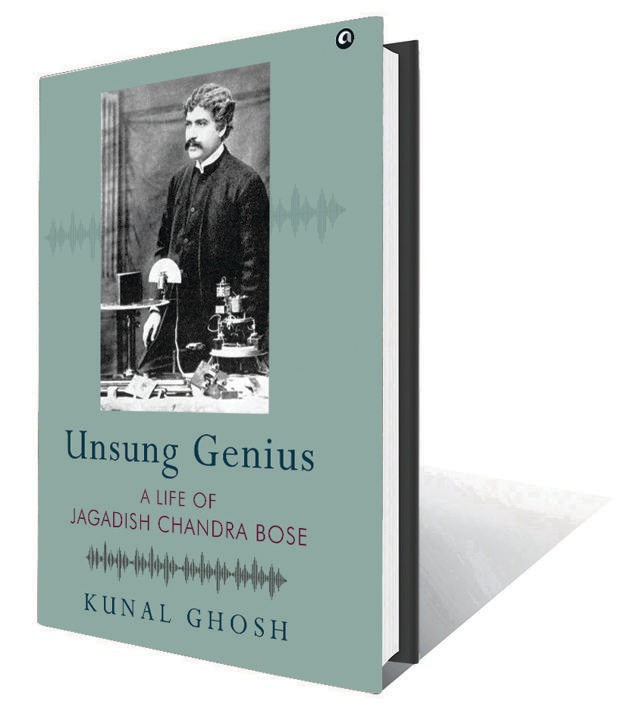
Jagadish Chandra Bose, also called the “father of radio science”’, was one of the most prominent figures of India’s scientific community. Between 1895 and 1900, Bose made remarkable contributions to certain fundamental aspects of modern physics. Then, his interest shifted to plant physiology and here, too, he was responsible for major discoveries and insights. However, within a few decades of his death in 1937, the scientific community in particular and the world at large seemed to have forgotten about him.
Starting from the time of his birth in 1858 in a Brahmo family in Bengal Presidency, and ending with his death a week before his seventy-ninth birthday, this exhaustive biography takes a close look at Bose’s early career as a physicist and his later work as a plant physiologist, and explains the magic behind some of his pioneering findings. It describes how he dealt with racial discrimination and academic plagiarism during his life, and how he found strength, inspiration, and support in the unlikeliest of places. It also makes a case for why Bose, and not Guglielmo Marconi, should have won the 1919 Nobel Prize for Physics for his research into radio waves. The first in-depth biography of the scientist written in the twenty-first century, Unsung Genius: A Life of Jagadish Chandra Bose paints a striking portrait of Bose — the man, the nationalist, the scientist, and inventor par excellence whom the world has almost forgotten.*
Good advice from bird and beast
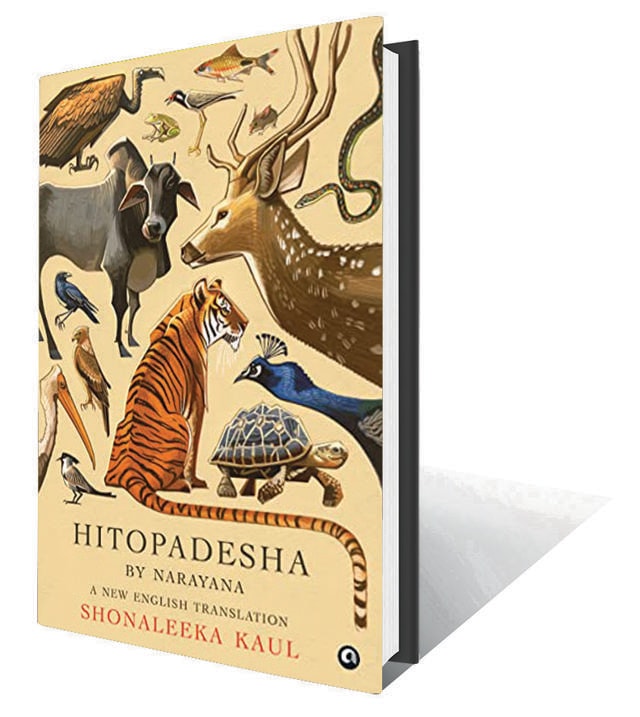
The Hitopadesha — which literally means good advice — was composed in Sanskrit sometime between the ninth and tenth centuries CE by Pandit Narayana. Arranged in four fascinating sections — Winning Friends, Losing Friends, Waging War, and Making Peace —the vignettes that comprise the text include tales of anthropomorphized birds and animals who are imbued with all too human qualities and frailties.
Using humour, satire, and unconventional methods of narration, the stories in the collection prescribe canny and pragmatic responses to a range of very human situations, ambitions, problems, and dilemmas.
Not only does the book have advice for the ruler who is too timid or too haughty, but also for the minister who must serve him, as for the innocent husband with the conniving wife, the beautiful wife with the undeserving husband, friends turned enemies, enemies reconciled, clever people, foolish people, the greedy, the distraught, and so on.
The Hitopadesha, like the Panchatantra, is among the most widely translated classical texts of India. This new version by historian and Sanskritist Shonaleeka Kaul is an idiomatic translation in simple narrative prose and free verse that retains the freshness and wit of the original.*
*All copy from book flap.


