
 E-Paper



HT reviewer Mahmood Farooqui picks his favourite read of 2021
The give and take that created Indo-Muslim culture; how the verses of Rumi and Sadi found a new avatar as dohas in India’s Persianate Age

 Prefer HTon Google


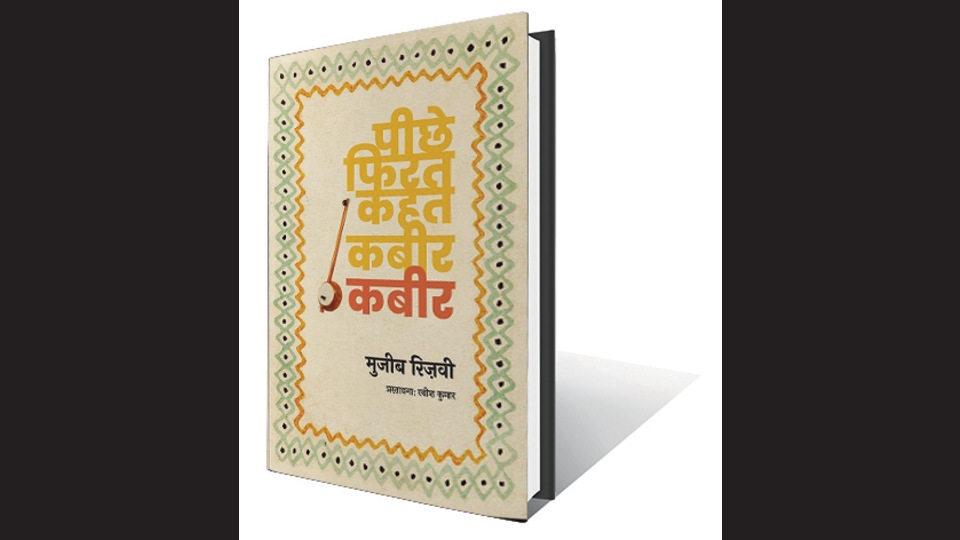
The late Mujib Rizvi’s original Urdu collection Peechhe Phirat Kahat Kabir Kabir (now available in Hindi through Rajkamal) has singlehandedly changed my perception of pre-modern literary culture. It performs the impossible task of refamiliarizing us with such well known poets as Tulsi, Kabir and Jayasi from an entirely new lens. Through this collection, a culmination of a lifetime of scholarship into pre-modern literary culture and poetics, he shows the deep linguistic and literary penetration of Persian vocabulary, syntax and concepts in the very formation of languages such as Awadhi.
He manages to resurrect Tulsidas and his Ramcharitmanas from the condescension of progressives by showing Tulsi’s mastery of technical Sufi terms and how Tulsi’s Ram is a gharibnawaz, a messiah of the downtrodden, not unlike the famous saint of Ajmer. He shows how verses of Persian masters such as Rumi and Sadi found a new avatar as dohas in medieval poets and thereby presents a different, and more rooted picture of India’s Persianate Age.
He was the first one to illuminate for us the world of the Sufi Premakhyans, where Sufi Hindavi poets created epic love stories which presented a Sufi/Yogic quest and where poets like Jayasi deployed Hindu mythology and Sanskrit aesthetics to Sufic ends. His essays on Krishna bhakti of Hasrat Mohani and other Sufi poets shows the deep give and take which created the Indo-Muslim culture. He shows how from the emphasis on congress, as in Sanskrit poetry, separation or viraha became the dominant note of love poetry under the influence of Sufi poets. He also shows us how the very features of the ideal beloved underwent a change after the spread of Persian poetry.
The merging of Sanskrit and Persian literary traditions created a culture where even an overtly Sanskritised vocabulary hides a Persian substratum. What we call Hindi/Urdu therefore emerges as more Persian than we had thought it to be. The point then is not merely one about the influence of Islam on Indian culture or the influence of India on Islamic traditions, but that after the first millennium, there never has been an India where it might be possible to prise apart the Hindu from the Muslim, whether in literature, in social custom or even in religious practice. Those attempting to do so today might need to undo their own self before they can remake us.
Mahmood Farooqui is a Delhi based writer, best known for reviving Dastangoi, the lost Art of Urdu storytelling. He is the author of Besieged; Voices from Delhi, 1857


