
 E-Paper



Manjula Narayan picks her favourite reads of 2022
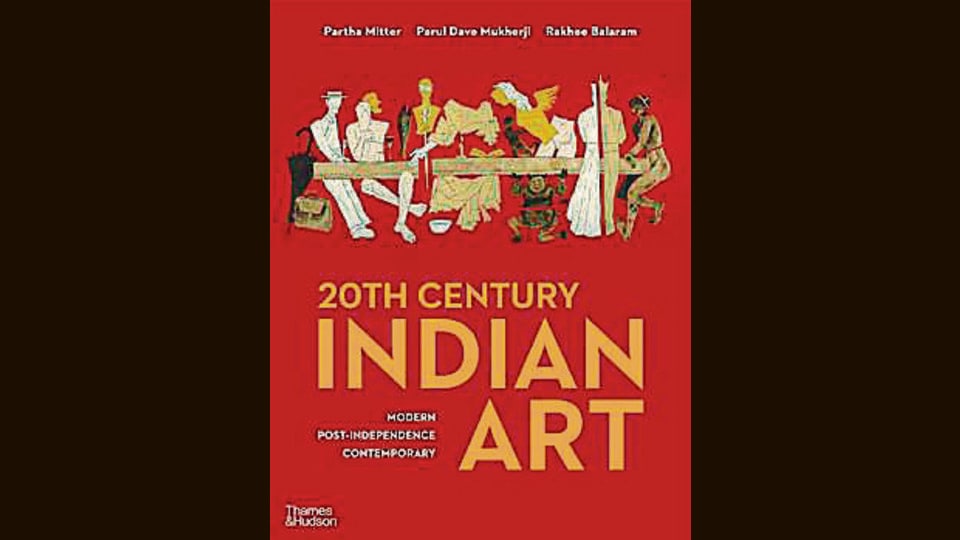
Beautifully produced and encyclopaedic, 20th Century Indian Art by Partha Mitter, Parul Dave Mukherji and Rakhee Balaram gives you an idea of the many artistic impulses that have coursed through the subcontinent from the beginning of the last century to the contemporary period

 Prefer HTon Google


Hosting the Books & Authors podcast has meant I have to read a book a week. It’s a good discipline to have even if it means that I’m occasionally sleepless from reading marathons. This year, my reading veered more towards non fiction, especially towards books that presented a clearer view of India by examining fresh, unignorable data. Nalin Mehta’s The New BJP; Modi and the Making of the World’s Largest Political Party and Nilakantan RS’s South vs North; India’s Great Divide were exceptional. While Mehta’s book showed us that the BJP is no longer a Brahmin party, indeed more OBC in its rank and file, Nilakantan’s work shows how very different the north and the south of India are on a range of parameters and the expected outcomes of the latter’s increasing prosperity. The incredible sexiness of data lies in how it can sweep away long held ideas that might be outdated but keep being parroted because they are easy, play to existing prejudices or are dear to academics stuck in echo chambers. Both these books cut through the waffle and broadened my understanding of where we are as a nation today.
Nikhil Menon’s Planning Democracy drew a great picture of post Independence India’s obsession with planning (the economy and the family, both) and of PC Mahalanobis, who epitomised the “5 Year Plan Hero”. It’s a period in the nation’s history that’s beginning to be studied in greater detail and this book sketches an acute picture of a young country trying to navigate an independent course through the Cold War period.
My vote for the most important book of the year goes to 20th Century Indian Art by Partha Mitter, Parul Dave Mukherji and Rakhee Balaram. Beautifully produced and encyclopaedic, it provides expert insights on everything from street photography and installations to Regional Modern and Dalit art, and art and activism. It also includes sections on art from the diaspora and from other South Asian countries. You can’t curl up with it like you would with one of Guillaume Musso’s delicious thrillers – I discovered him this year when I was looking for a rejuvenating break from heavy duty reading, and his latest The Secret Life of Writers was perfect – but you can dip into it frequently to better understand the many artistic impulses that have coursed through the subcontinent from the beginning of the last century to the contemporary period.


