
 E-Paper



Review: The Corpse Collector by Vinu P and Niyas Kareem
Translated from the original Malayalam by Ministhy S, this true story of a man who retrieves bodies is also a picture of a society that’s cruel to those who perform its most essential functions

 Prefer HTon Google


An excellent work of reportage, The Corpse Collector delves deep into the life of Vinu P, a man who has dedicated his life to retrieving unclaimed and decomposed bodies in Kerala.
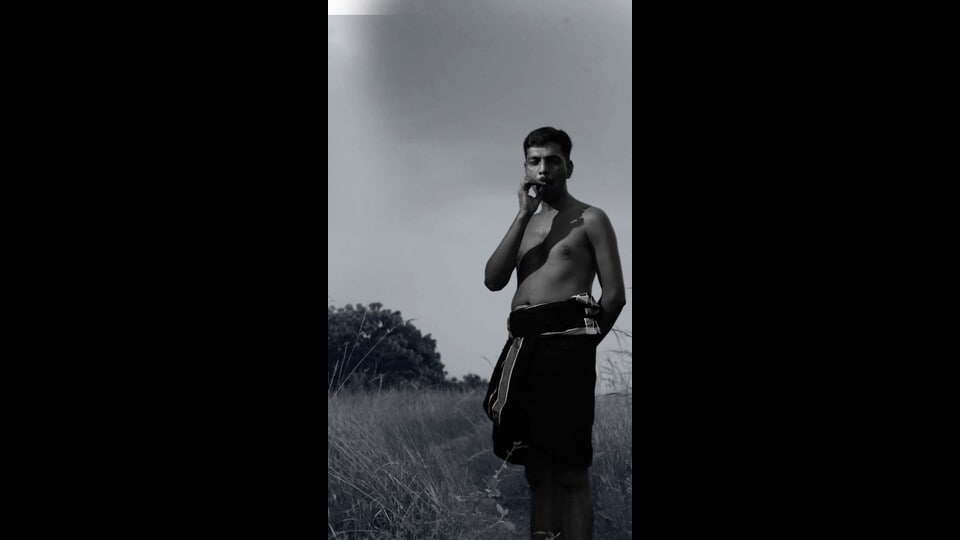
Vinu, who offers the dead much-needed dignity, became a corpse collector quite accidentally, at the age of 15. A schoolmate had drowned in a river and he offered to help the police when everyone else looked away. He was wearing his school uniform when he pulled out his first body.
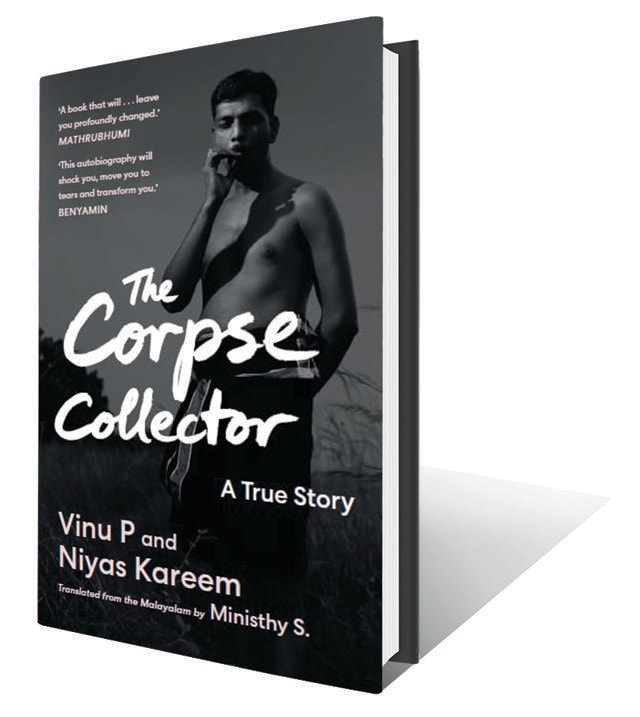
Initially, it was the congratulatory pat from the police that drew Vinu to retrieving badly mangled and crushed bodies from roadsides and railway tracks. He started assisting a bunch of corpse collectors. He tagged along with his mentors, who tipped him for running errands. These elderly “masters” (asanmar), who were homeless outcastes, though almost always inebriated, taught him to recover and handle decomposed corpses. After a while, he grew from being an assistant into a full-fledged master himself.
The police began choosing Vinu over his “masters” and paid him handsomely too. They gave him his first mobile phone, and sent a police jeep to fetch him when a case came up. In the process, he not only learned how to collect bodies on his own, but also became well-versed with medico-legal procedures such as autopsies. On some weeks, he is called as many as three times.
In a more evolved society, his actions would be seen as yeoman service rendered. Sadly, Vinu has been demeaned and punished. He is called a shavamvari (a word that translates to corpse collector but has layers of disgust embedded within it) and has been pushed to the margins for serving the dead with devotion. Ironically, he is often stigmatized by the family members of those whose decomposed bodies he has retrieved and buried. In this unflinching portrait of human cruelty, readers learn that Vinu has also been denied the opportunity to take up a steady job and earn a decent living.
This despite the fact that his compassion shines through in the way he ensures that decomposed bodies don’t fall apart and are accorded a proper burial. He often pays for these burials with his own savings. Always methodical, Vinu maintains a personal register to keep track of bodies that he has interred. This, in turn, helped reunite families with their dead. Though most families disowned decomposed corpses, a few are grateful for whatever’s left behind. Such was the case of the Goan mother who travelled to Kerala looking for the remains of her daughter, who had fallen off a train.
“Tracing the case number, I recovered the girl’s relics… When the plastic sheet was opened, there was only water and a few bones. After the storm and rain in her heart abated, the mother reverently received the remains of her daughter. She took her away to her homeland,” says Vinu, whose surprising resilience and compassion shines out of this book.
Sadly, he has been shunned by his extended family. The first jolt came when he went for a gathering. As the meal was being served, he was asked to leave. His parents couldn’t find him a girl to marry as gossiping neighbours shooed away the families of prospective brides. Eventually, it was the police that came to his rescue. In a scene heavy with tragi-comedy, the reader learns of how the cops patrolled the neighbourhood when the girl’s family arrived and ensured that sneaky villagers didn’t interact with them.
It isn’t often that the police force comes in for praise but The Corpse Collector provides a picture of the human side of cops. Apart from literally arranging his marriage, Vinu recounts how Kerala police gave him mobile phones, which he kept losing. They also pooled in money to buy him an ambulance to give his profession more dignity and silently honoured his quiet heroism, perhaps as a way to compensate for the painful way he has been ostracized. Policemen, surprisingly, also often confide in him, an experience that has made him realize, he says, that every profession comes with its own set of predicaments.
Vinu believes society in Kerala is like a cat that pretends to be tame but cruelly plays with its victim: “It shall not kill at a single go, but relishes the torture, cut by cut.” Occasionally, though, he bumps into a Good Samaritan. Like the owner of a hotel, who refused to ask him to leave after an advocate wanted him out. “You dare allow fellows like him at a place where dignified people come to have food? Do you know what he does? Gather rotten, stinking, shattered bodies…,” the man had yelled.

Another Good Samaritan from Canada sent him money, while yet another allowed him to bury unclaimed bodies on his land. Vinu, who often spends up to ₹4,000 from his resources to bury a body, is grateful for such occasional acts of kindness. He is now thinking of owning a graveyard.
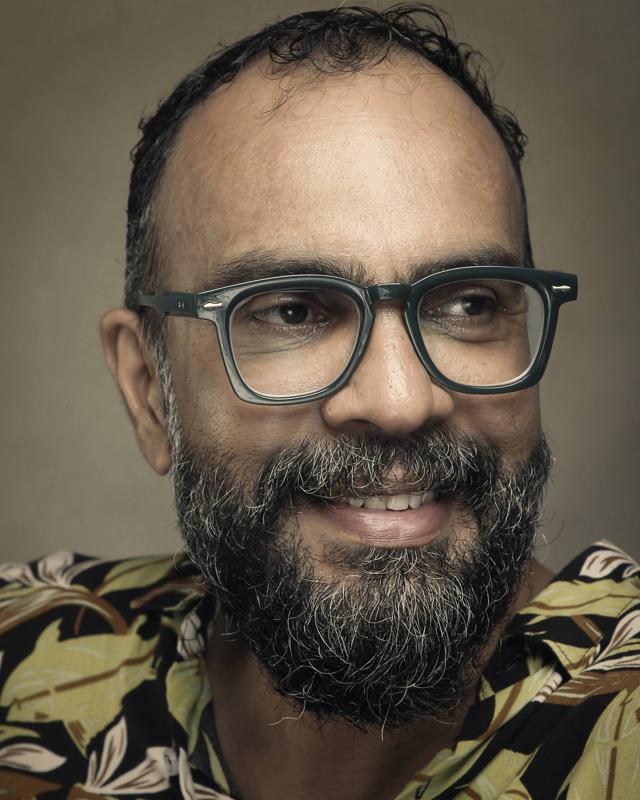
Niyas Kareem, a journalist with the Malayalam press for more than two decades, teamed up with Vinu to write his story, which went on to be a bestseller. This English translation by Ministhy S, an IAS officer of the Uttar Pradesh cadre, is a compelling portrait of a man whom society has rendered invisible, someone it has deliberately chosen to unsee. All of which brings the reader to the realization that even in the most progressive societies of the subcontinent, this is the case with professions tinged with caste taboo – that of the sanitation worker as well as the corpse collector. While everyone relies on the vital work carried out by these individuals, they are inevitably isolated and pushed to the fringes. Ministhy S’s elegant translation perfectly captures this stench in our society.
Lamat R Hasan is an independent journalist.


