
 E-Paper



Gourmet Secrets: Rajput princely foods like junglee maans are being revived at five-star addresses


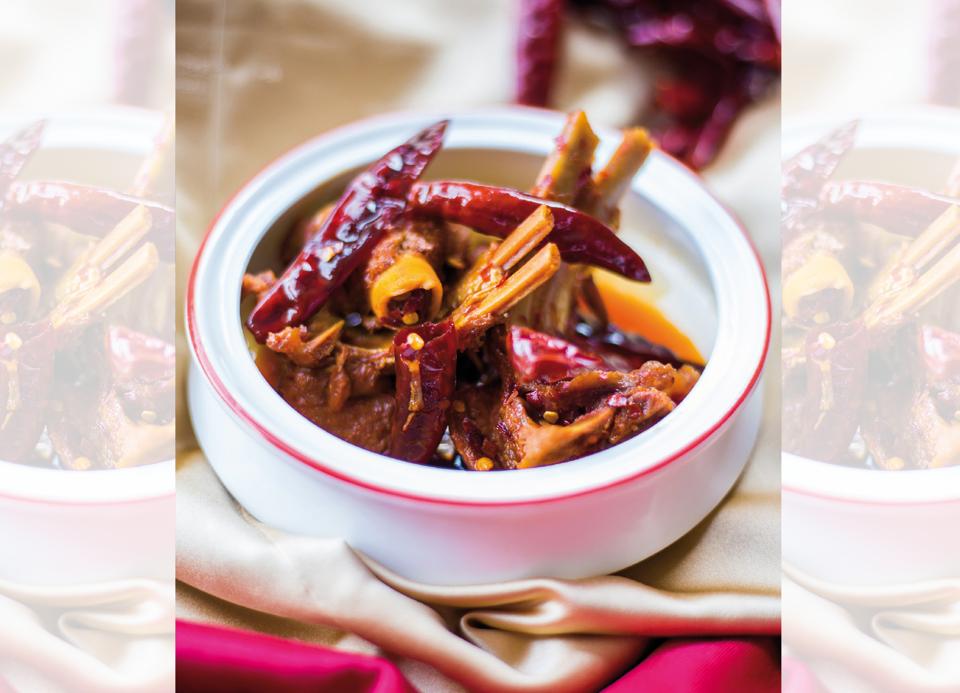
The origins of junglee maans mirror the habits formed and ingredients available when on a hunt - who would’ve thunk!
I was in Jaipur last weekend to give a talk organised by Prabha Khaitan Foundation at the ITC Rajputana. The General Manager Shekhar Sawant was someone I had met at the beginning of my career when I ran a Gourmet Academy, a series of classes on food and wine and the aspects of cuisine at the ITC Windsor Manor in Bengaluru. Shekhar remembered and promptly invited me to dinner that evening with Executive Chef Parul Kapoor who specialises in local Rajasthani cuisine, both traditional Marwari Rajasthani and what is called ‘Rajput’.
In Rajasthan, you usually find either one or the other in restaurants and definitely not both. So in that sense, dining in a five-star in Rajasthan allows you both options in one meal. This is a good idea if you have limited time. When I visit a city in search of a traditional dish, a five-star hotel is not the obvious venue that comes to mind, although it is always wonderful to have a nice comfortable bed, crisp white sheets, air conditioning that works despite electrical outages and great service at the push of a button. So, my expectations on the culinary front are not high.
Royal relish
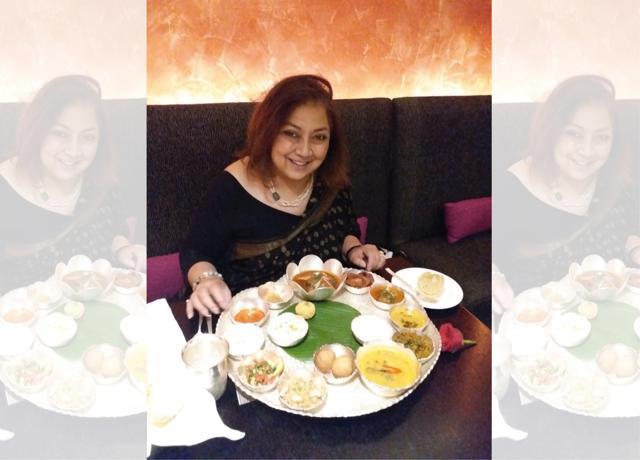
One cuisine that seems to have gone off the gastronomic radar is Rajput princely food. Parul is dedicated to preserving the authenticity and tradition of local cuisine. All the dishes on the Royal Rajasthani thal are delicious and without the fire, brimstone and oil that you find in local establishments. The quality of the mutton in Jaipur as everyone knows, is still the best in the country and so if you keep the integrity of the original recipe, which in the case of meat dishes is simplicity itself, you will wind up with the perfect dish. Her junglee maans however is made with the milder mathaniya chilli making the end result milder and more palatable. Cooked for several hours in a lagan, it was simply amazing. I can’t quite imagine what it must have tasted like on a hunt in the middle of the desert – it would certainly have been scorchingly spicy - but the dish she re-created for me that evening was certainly the best junglee maans I have ever had.
Unfortunately, Rajasthani food has become almost synonymous with Marwari vegetarian cuisine, so dishes like gatte ki sabji, daal bhaati choorma and ker sangri predominate. The Rajputs though were great meat-eaters and hunters. If Mughal cuisine has an exotic delicacy influenced by its Central Asian provenance (such as the use of nuts like almonds, cream and rose water), Rajput cuisine is more rustic in character, homely and hearty. One iconic dish is the famous junglee maans, the creation of which has been attributed to the Maharaja of Sarwar. Junglee maans was made from meat brought from the hunt and was cooked in pure ghee, with salt and local red chillies. The simplicity of the dish owed itself to the paucity of fine cooking ingredients available in a hunting camp site. The meat was usually venison or wild boar, which took hours to cook. Traditionally, it was the men who cooked the meat they hunted. Today, good quality goat meat from the Jaipur area, reportedly near the Rann of Kutch, replaces game.
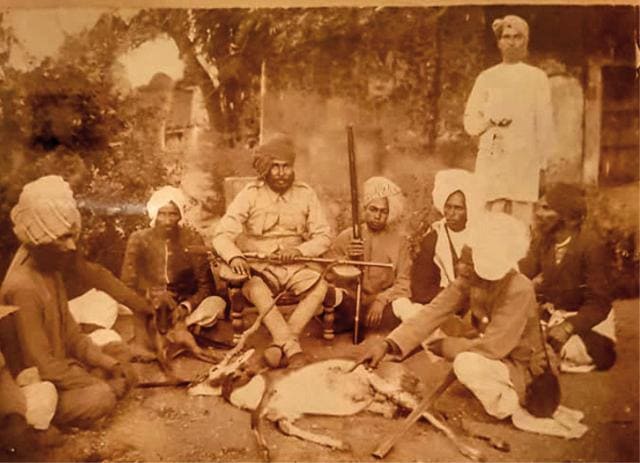
The Royal Rajputs, including the rulers of Jaipur led an action-packed life because when they were not at war, they headed for the great wilderness and spent months pursuing their favourite pastime - shikaar or hunting. Wild boar, venison, pheasant, quail, partridge and countless water birds were hunted regularly and turned into exotic delicacies. There were special hunting departments within each state that maintained a wide range of guns and ammunition, and hundreds of men worked tirelessly for forthcoming shikaar camps. The best trackers were employed and it was customary for young princes to be put under the care of these experienced old-timers. The qualities of a good hunter were also the qualities required by a good ruler- quick reflexes, knowing when to attack, when to defend and when to escape.
Delicious game
Rather like golf today, shikaar camps were also an exercise in diplomacy and used as occasions where the Maharajas could meet their counterparts from neighbouring states informally and further the interests of their kingdoms. At times, the maharaja took over the cooking and the preparations were enjoyed over drinks late into the night. Many dishes were invented and perfected - Khad Khargosh (hare cooked in a sandpit), Sooar Ki Saanth (curried wild boar), Lal Maans (red meat masala), and Junglee Maans (dry meat).
The origins of junglee maans mirror the habits formed and ingredients available when on a hunt. The dish has four basic ingredients namely ghee (clarified desi butter), dried red chillies, salt and the meat. The game was cleaned and rubbed with salt – this then was allowed to tenderise for an hour. Then the clarified butter, red chillies were heated in an earthenware pot and the game was added into the pot and allowed to cook on a slow fire till done. The finished dish is simple in technique, sharp in flavour and robust in character – a true epitome of the Rajputana ethos.
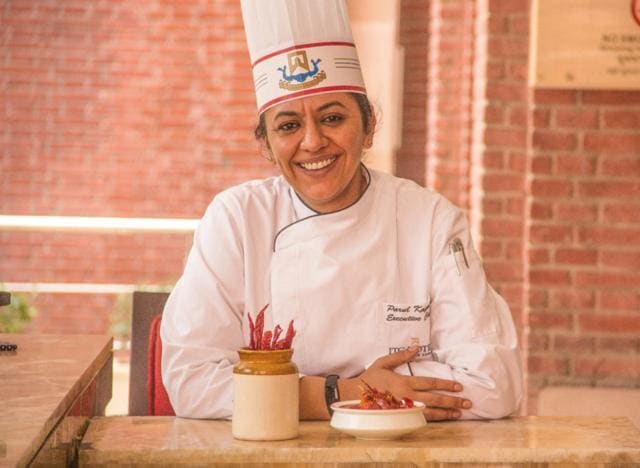
Junglee Maans – Chef Parul Kapoor ITC Rajputana Jaipur
Ingredients
1kg mutton, curry cut pieces
70g whole red chilli (spicier mathaniya chillies are traditionally used)
160 g ghee
Salt to taste
Method
Wash, clean and pat dry mutton. Take a lagan and heat ghee. Add mutton to ghee along with whole red chillies and salt. Stir fry mutton till golden brown. Add water and cover it. Let it cook in its own juices till tender (about 1 ½ - 2 hours). There should not be any water left and the mutton should be tender.
Culinary expert and explorer Karen Anand has been writing extensively on the subject of food and wine for 30 years. Apart from having her own brand of gourmet food products, she has anchored top rated TV shows, run a successful chain of food stores, founded the hugely successful Farmers Markets, and worked as restaurant consultant for international projects, among other things. Her latest passion is food tours, a totally curated experience which Karen herself accompanies, the first of which was to Italy.
This is a fortnightly column. The next column will appear on March 17.
From HT Brunch, March 3, 2019
Follow us on twitter.com/HTBrunch
Connect with us on facebook.com/hindustantimesbrunch


