E-Paper



‘Big numbers, no depth’: SC/ST criticise budget
Activists pointed out that the most discussed feature of the interim budget – Rs 500 monthly income support for small and marginal farmers – was unlikely to help a large section of SC/ST population because many Dalits didn’t own land.

 Prefer HTon Google


A day after the Union government hiked allocations to programmes for the scheduled castes (SC) and scheduled tribes (ST) by 35.6% and 28%, respectively, a clutch of SC/ST organisations said it would not help the marginalised communities because the interim budget proposals lacked details and were misdirected.
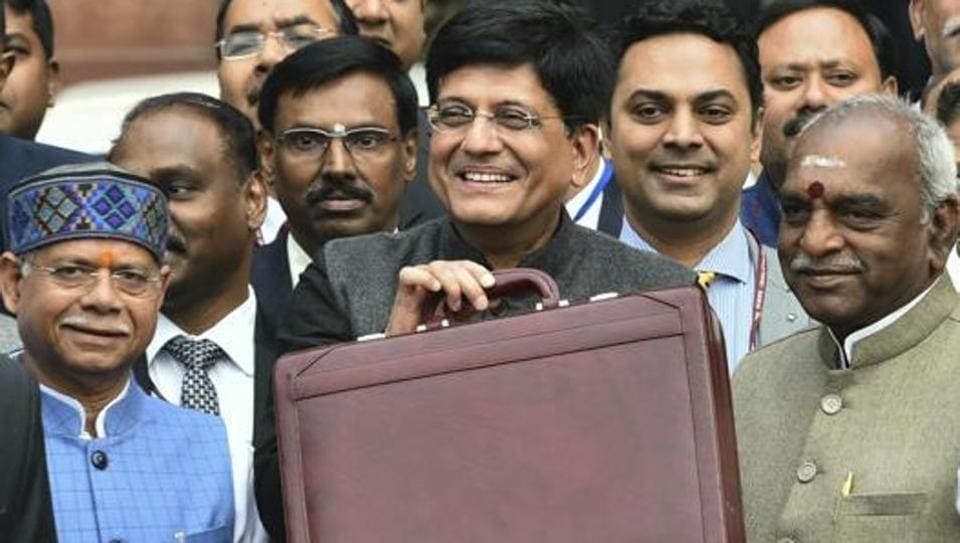
On Friday, acting finance minister Piyush Goyal announced a “substantial increase” in the allocation to SC and ST welfare – Rs 76,801 crore for SC and Rs 50,086 crore for ST. But activists said a bulk of the money was allocated for so-called non-targeted schemes -- designed for the general public and not specifically tailored to impact SC/ST members. “This was an election budget with big numbers and no depth,” said Beena Pallical of the National Commission for Dalit Human Rights (NCDHR).
Activists pointed out that the most discussed feature of the interim budget – Rs 500 monthly income support for small and marginal farmers – was unlikely to help a large section of SC/ST population because many Dalits didn’t own land. Data from the 70th round of Land and Livestock Holdings Survey of the NSSO shows 58.4% of rural Dalit households are landless and 71% of SC ‘farmers’ are agricultural labourers.
Another concern was the alleged lack of details for eradication of manual scavenging, which was allocated ₹65 crore, and the low amount of money given to ensuring alternative livelihood options (Rs 30 crore). “At a time when several sanitation workers have died across the country, there was no mention of technology to end these practices or a special budget,” Pallical said.
Activists complained that schemes that directly helped the SC/ST communities — such as post-matric scholarships — had not been given enough attention. “...There are key schemes where the allocation has been reduced, such as post-matric scholarships,” said N Paul Divakar, chair of the Asian Dalit Rights Forum.
SC form 16.2% while STs 8.2% of the population according to the 2011 census, and experts say the increase in allocation was aimed at wooing the communities ahead of general elections. “The budget has kept in mind the welfare of SC and STs,” said Union consumer affairs minister and the National Democratic Alliance’s Dalit face, Ram Vilas Paswan