
 E-Paper



Fake GST invoice menace: Tax department debunks misinformation about rule change
In a release, the The Central Board of Indirect Taxes and Customs said that it has so far registered about 12,000 cases of ITC fraud and arrested 365 people.


The government in recent months has taken a slew of initiatives to counter Goods and Services Tax (GST) fake invoice frauds. Many entities involved in availing and passing on input tax credit (ITC) fraudulently were booked and people involved arrested.
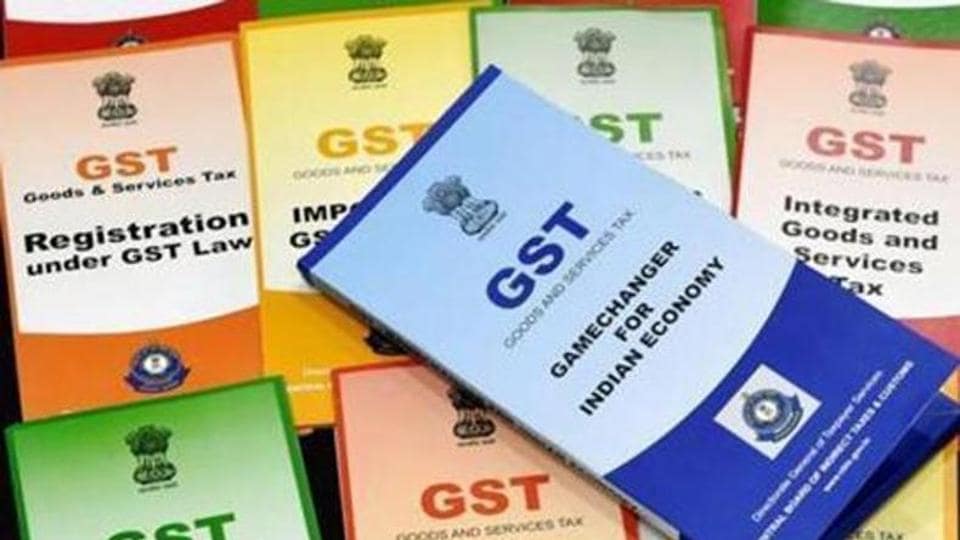
The Central Board of Indirect Taxes and Customs (CBIC) under the Department of Revenue (DoR) in the finance ministry also issued notification to deal with the menace of fraudsters who avail and pass on ineligible ITC by fake or fly-by night firms. In a release, the CBIC said that it has so far registered about 12,000 cases of ITC fraud and arrested 365 people.
And now, the CBIC has released a set of ‘Myth vs Reality’ to debunk misinformation about rule changes, which it said is being spread on the social media.
Myth: No opportunity of being heard will be given if proper officer believes that registration is liable to be cancelled.
Fact: The GST laws passed by Parliament and state legislatures provide that GST registration is liable to be cancelled for those who have not filed six or more returns. It is, therefore, wrong to say that the cancellation will be done without any reason. To protect the interest of revenue, this provision has been put in the law so that fraudsters do not run way with GST collected from their customers.
The CBIC further said in the release that no cancellation of registration would be done without giving proper opportunity of hearing to the taxpayer. “Immediate action for suspension is necessary in cases where unscrupulous operators seek to pass on huge fake credit by gaming the system. Such action will not affect genuine taxpayers and will provide them a level playing field. Moreover, suspension may be revoked by the officer based on the taxpayer’s representation,” it further said.
Myth: Even if there is a clerical error in filing returns, GSTIN will be cancelled. There is no option to correct your mistakes.
Fact: The CBIC said this is not true. “Only in fraudulent cases where there are significant discrepencies based on data analytics and sound risk parametres, and not mere clerical errors, the action of suspension and cancellation will be taken up,” it said. The board also gave an example: Where one has passed on crores of rupees of ITC and not filed GSTR3B returns, nor has he filed income tax returns (ITRs) or disclosed very little liability there. The CBIC said that GST ecosystem is very carefully working towards curbing the fake invoice frauds in the interest of bonafide taxpayers. It applies sophisticated tools like BIFA, data analytics and AI & ML to pinpoint and segregate these fraudsters.
Myth: The proposed change will impact ease of doing business.
Fact: The CBIC said this too is not true. “The fraudsters are misusing the system to the detriment of the interest of genuine taxpayers. Consequently, data driven targeting of the fraudsters is the need of the hour. The data is being collected from income tax department, banks, customs and necessary matching is being done to identify fraudsters and take action of suspension and cancellation after following due process of law. Precise targeting of fraudsters is being done only in specific cases, after doing a comprehensive analysis, using advanced data analytics tools. Further, multiple risk indicators are checked and only then few high-risk entities are selected. Action against fraudsters will not impact the Ease of Doing Business which is achieved in GST through liberal registration, refund regime and self-compliance system with little or no manual checks,” it said.


