
 E-Paper



Note ban: Ineffective safeguards? Many banks did not get indelible ink
It turns out that the indelible ink meant to identify people who exchanged cash at bank never reached most of the branches, after all.


It turns out that the indelible ink meant to identify people who exchanged cash at bank never reached most of the branches, after all.
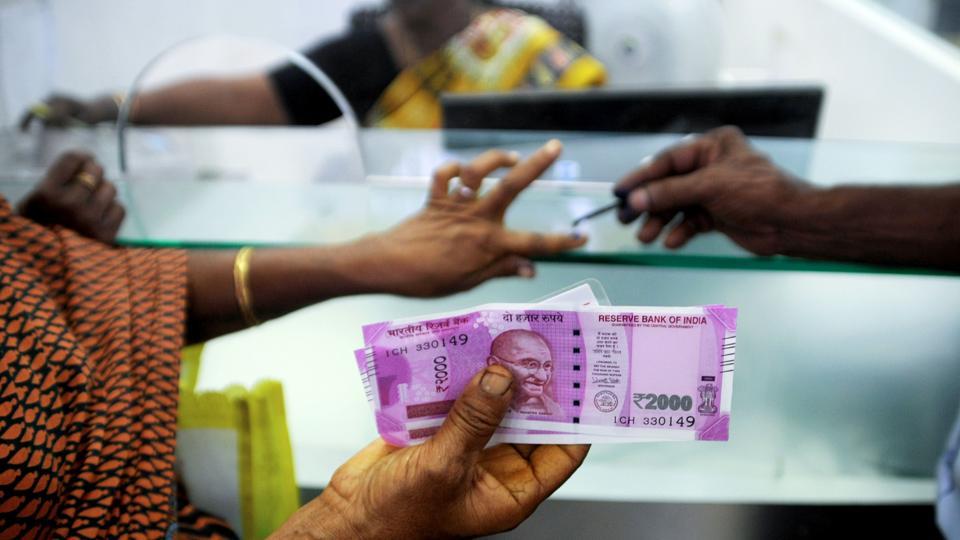
On November 15, the government said it would apply indelible ink on a person exchanging old high-value currency notes of Rs 500 and Rs 1,000 to ensure that the same people do not queue up to convert their unaccounted cash.
“Most bank branches did not receive this indelible ink, though soon after, the government stopped the exchange of currency notes altogether,” said a senior bank official, seeking anonymity.
Besides, sources also said that bank officials, who have come under the scanner for alleged misconduct, had discretionary powers to service customers after the November 8 note ban.
While all transactions were undertaken under CCTV cameras, the recordings were never noted or checked to take preventive action.
“In the initial phase, bank officials were not on the radar and this gave a few of them the confidence to indulge in misdeeds,” Jagvinder Brar, partner, forensic services, KPMG said.
While the finance ministry and bank associations said these incidents did not reflect the entire banking community, they underlined the need to take strict action against the erring officials.
The Reserve Bank of India on Tuesday directed banks to ensure that all transactions at the branches and currency chests are done under CCTV cameras to promote transparency. The central bank also asked banks to preserve the recordings of the operations from November 8 to December 30.
This is aimed “to facilitate co-ordinated and effective action by the enforcement agencies in dealing with matters relating to illegal accumulation of new currency notes,” the RBI said in its guideline.


