
 E-Paper



Global debate on, government moves hydro projects to renewable ministry in India
Piyush Goyal, the minister for power, renewable energy, coal and mines, moving the hydropower portfolio from the power ministry to the ministry of new and renewable energy.


Is hydro power a source of renewable energy? This is a question that environmentalists around the world have asked. In many countries the harnessing of electricity from flowing water is not recognised as a renewable source. The reason: The environmental impact that dams have on river, fish and life around it offsets its green quotient.
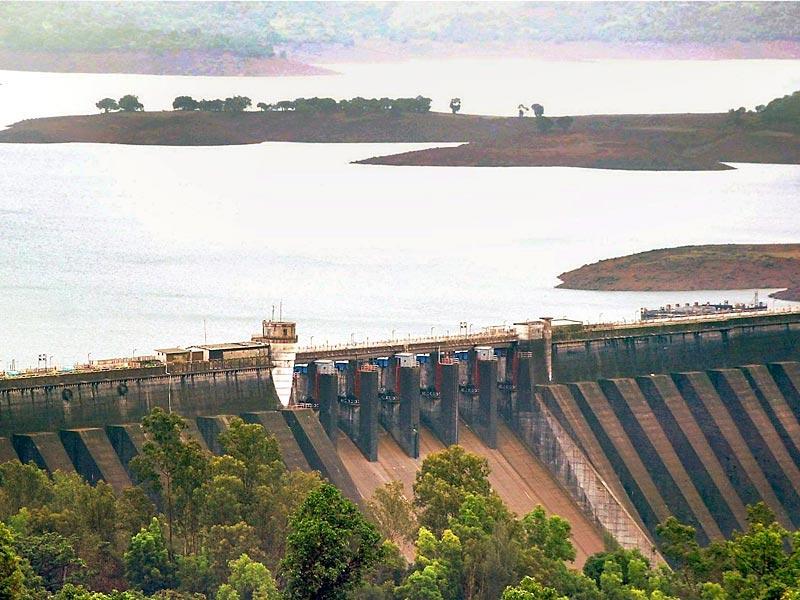
But as far as India is concerned, hydropower will be a source of renewable energy, with Piyush Goyal, the minister for power, renewable energy, coal and mines, moving the hydropower portfolio from the power ministry to the ministry of new and renewable energy.
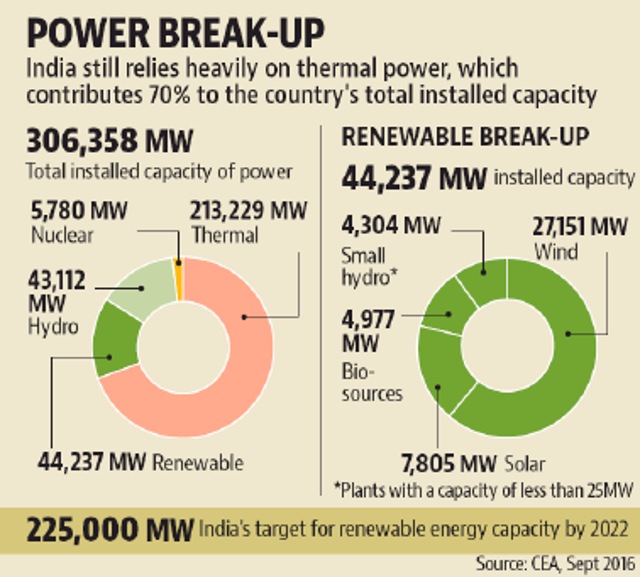
At present, hydro projects with a capacity of only 25 MW (mega watt) or below are under the jurisdiction of the renewable ministry. “A consensus has been arrived at between states that hydropower should be declared as renewable power,” Piyush Goyal said recently.
With the addition of hydro power, the renewable energy target will be revised to 225,000 MW (225 GW) by 2022 from 175,000 MW (175 G W ). As of September 30,2016, total installed renewable energy capacity is 44 GW. Hydro power generates just over 43 GW.
But, according to sources: “India’ s long-term renewable commitment sat COP 21 make it imperative for the country to classify large hydro projects as part renewable energy projects .” This shift to the ministry of new and renewable energy will also ensure better focus on hydel power, sources added.
However, the challenge for the government will be to attract private investors to hydropower, sources said. More than 4,300 MW of hydro power projects are stuck at various stages, in India.
“Issues of land acquisition, regulatory clearances and difficulty in finding project funding have been big disincentives for private investment in the hydropower sector,” said Sunil Jain, CEO of Hero Future Energies.
Power ministry sources said the government is working on measures to remove the roadblocks, including providing an easy exit for private companies from PPP( public-private partnership) projects. In fact, the government has already identified hydro electric projects in the north-east, where they will allow private players to exit.


