
 E-Paper



India's ethanol production gradually shifts from sugar to maize and rice
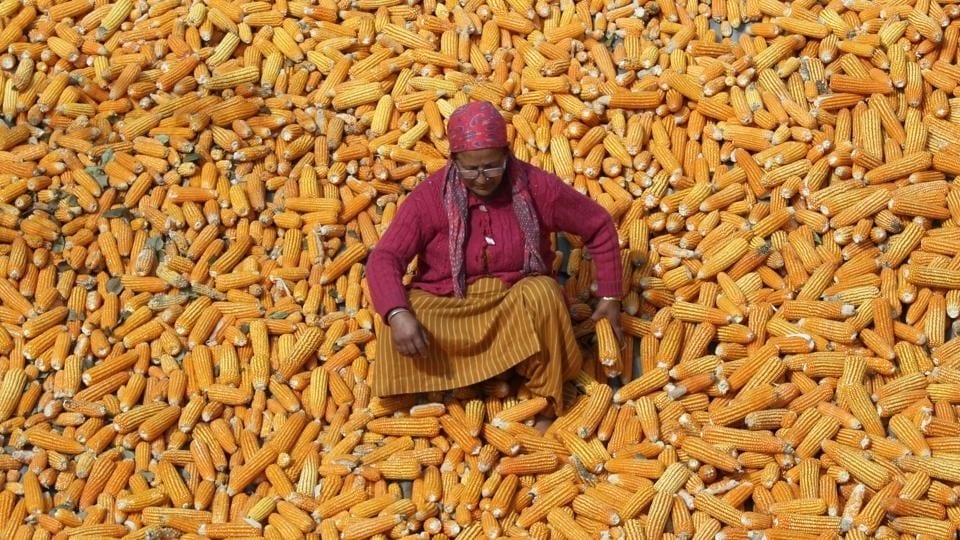
The percentage of India's ethanol made from foodgrains like maize and rice increased from 37.4% to 51% this year.

 Prefer HTon Google


India achieved higher production of ethanol from grains like maize, compared to sugar, after the government’s push away from sugar for producing ethanol, Mint wrote, adding that the share of ethanol produced from grain is currently at 51% for November 2023-October 2024, citing two officials who had access to the information.
Also Read: Nod for use of molasses stock in ethanol production likely to affect polls in 19 seats
In 2022-23, only 37.4% of India’s ethanol came from grains.
How much ethanol did India produce?
Till June 9, India produced 357.12 crore litres of ethanol, of which, 175.74 crore litres came from sugar and 181.38 crore litres from grain, the article read.
Maize alone contributed 110.82 crore litres, with the remaining coming from damaged foodgrain and surplus rice from the Food Corporation of India, according to Mint.
Also Read: HPCL’s project on managing crop residue misses another deadline
The government’s deadline for achieving E20 (20% ethanol blended) petrol is 2025-26, with 12.7% achieved currently, against the target of 15% this year. This is to reduce Inida’s dependence on imported crude oil.
Why is the government discouraging the use of sugar to produce ethanol?
The government has been discouraging the use of sugar to produce ethanol owing to the crop's tendency to be a water-guzzler. One acre of land producing 60-80 tonnes of sugarcane requires nine lakh litres of water twice a month on average, according to a Mongabay-India report.
Also Read: Lift ban on sugar exports, relax limits on ethanol blending: Pawar
It also says that India will require 1320 million tons of sugarcane, 19 million hectares of additional land and 348 billion cubic metres of extra water to produce enough ethanol to meet the 20% ethanol blending target of 2025.
On similar lines, a NITI Aayog report says that just one litre of ethanol produced from sugarcane consumes at least 2,860 litres of water.


